Let's Go Fishing!
IGFA and the National Park Service Work Together to Connect People to Parks Through Recreational Fishing
The IGFA completed another stellar year of angling education events in National Park Service (NPS) locations across the country, thanks to the continued support from the National Park Foundation.
__________________________
Building on more than seven years of collaboration with the pilot program launching in 2019, our collaboration with National Park Service (NPS) locations across the country, through continued support from the National Park Foundation, continues to advance the Junior Ranger: Let’s Go Fishing! initiative as an effective pathway for connecting youth, families, and park communities with public lands and waters through responsible and ethical angling.
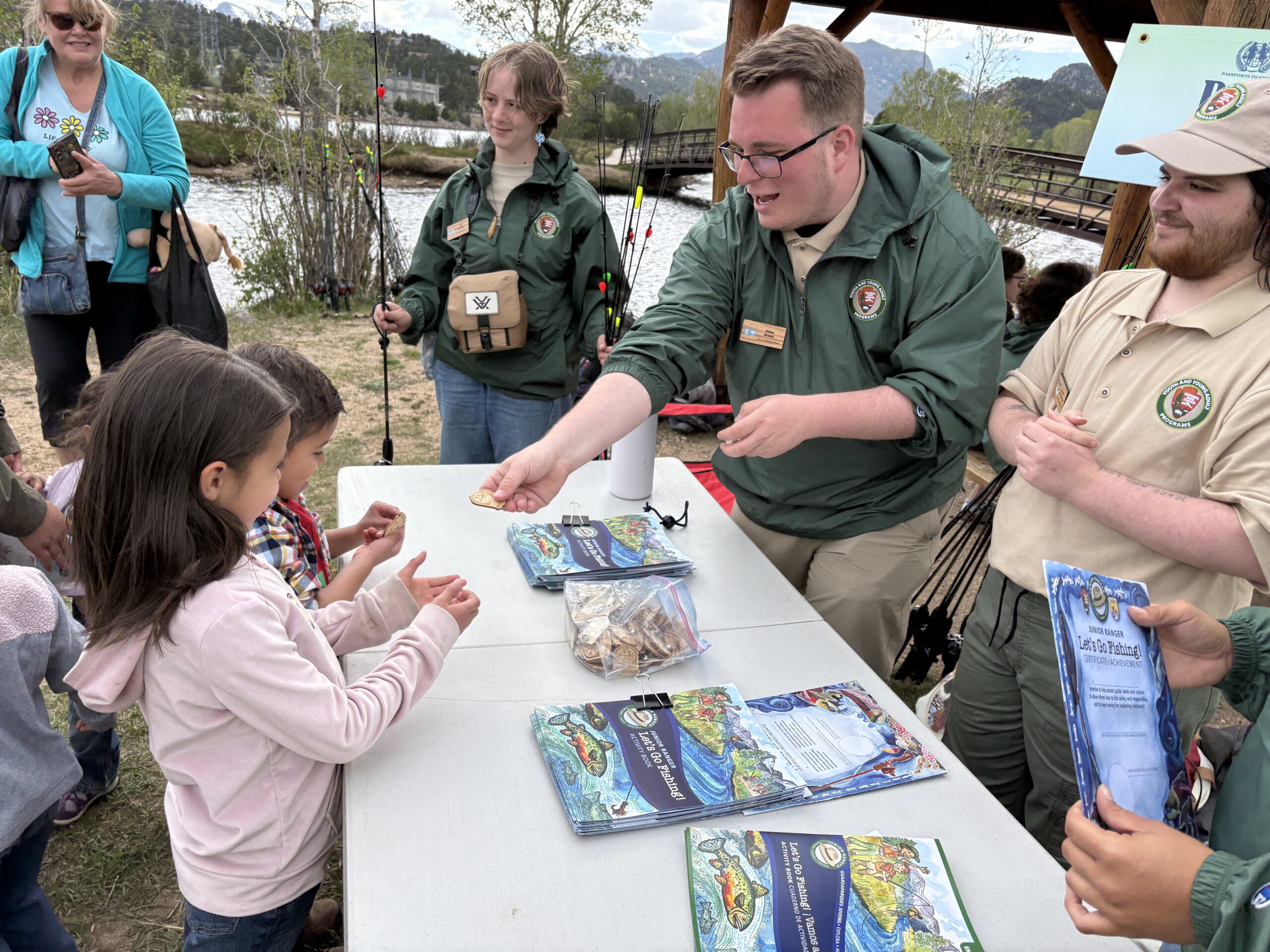
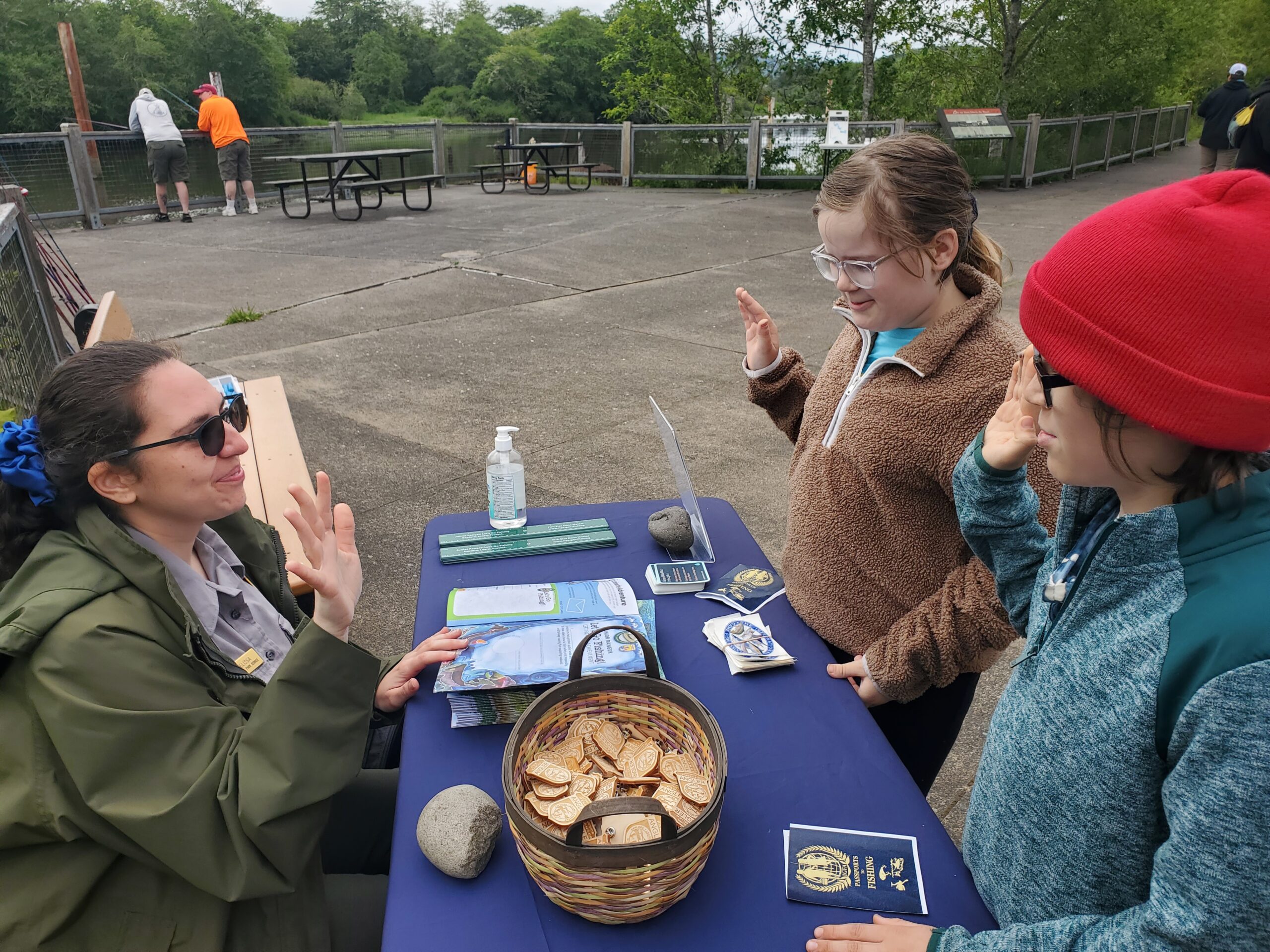
To date, the IGFA has supported 35 NPS sites through the distribution of Passports to Fishing (P2F) toolkits, in-person Learn-to-Fish events, and staff training, reaching more than 27,200 Junior Ranger Anglers nationwide. Lessons learned from this work highlight the importance of pairing tangible resources with comprehensive training, particularly for staff, interns, and volunteers without prior angling experience. Over the past seven years, IGFA has expanded our role to include in-person and virtual training, digital education tools, and sustained partnerships with community organizations, including working with Ebony Anglers again this year at Cape Lookout National Seashore in North Carolina.
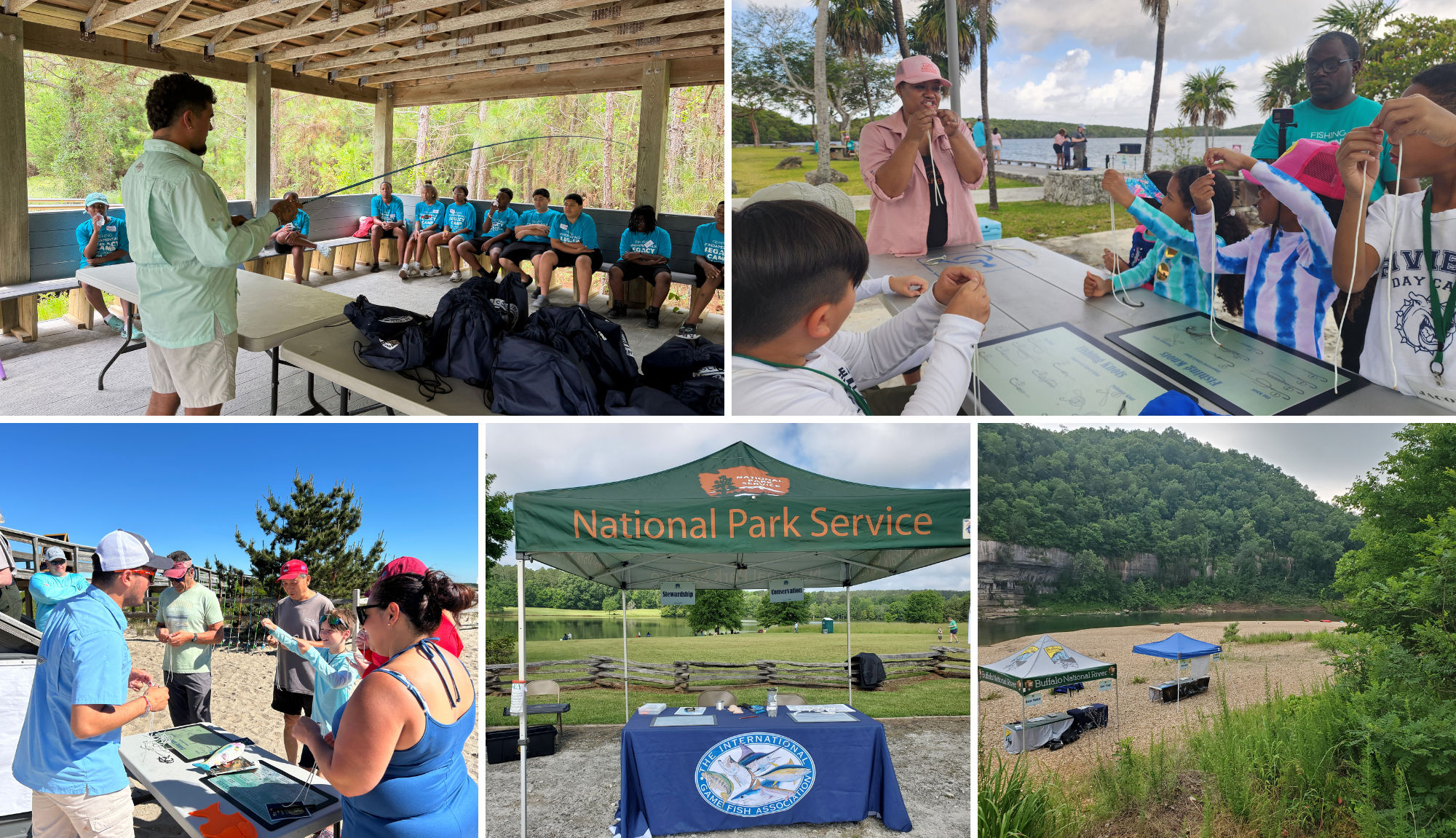
This year, we focused on teaching and training people to enjoy national public lands through recreational fishing and ethical angling practices. Key activities included equipping new park sites with P2F toolkits, launching a permanent online training resource, supporting Fish & Feathers intern training in collaboration with Environment for the Americas, and delivering a multi-session virtual training workshop.
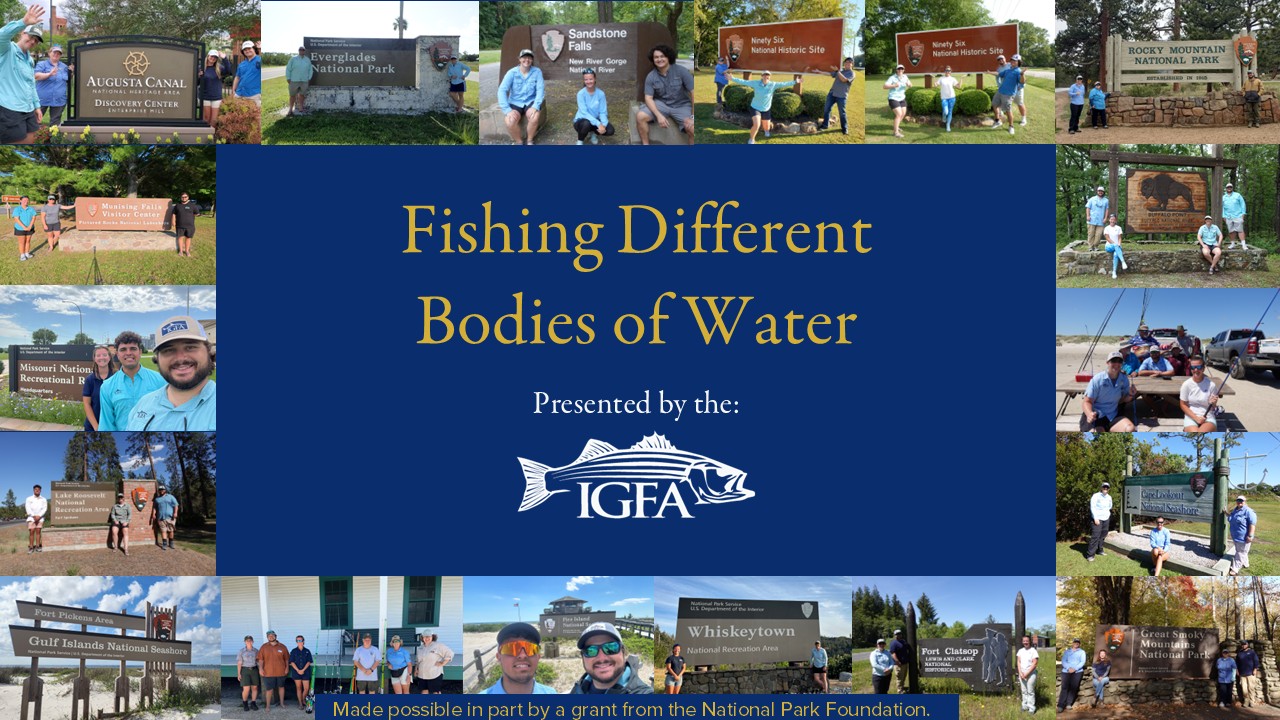
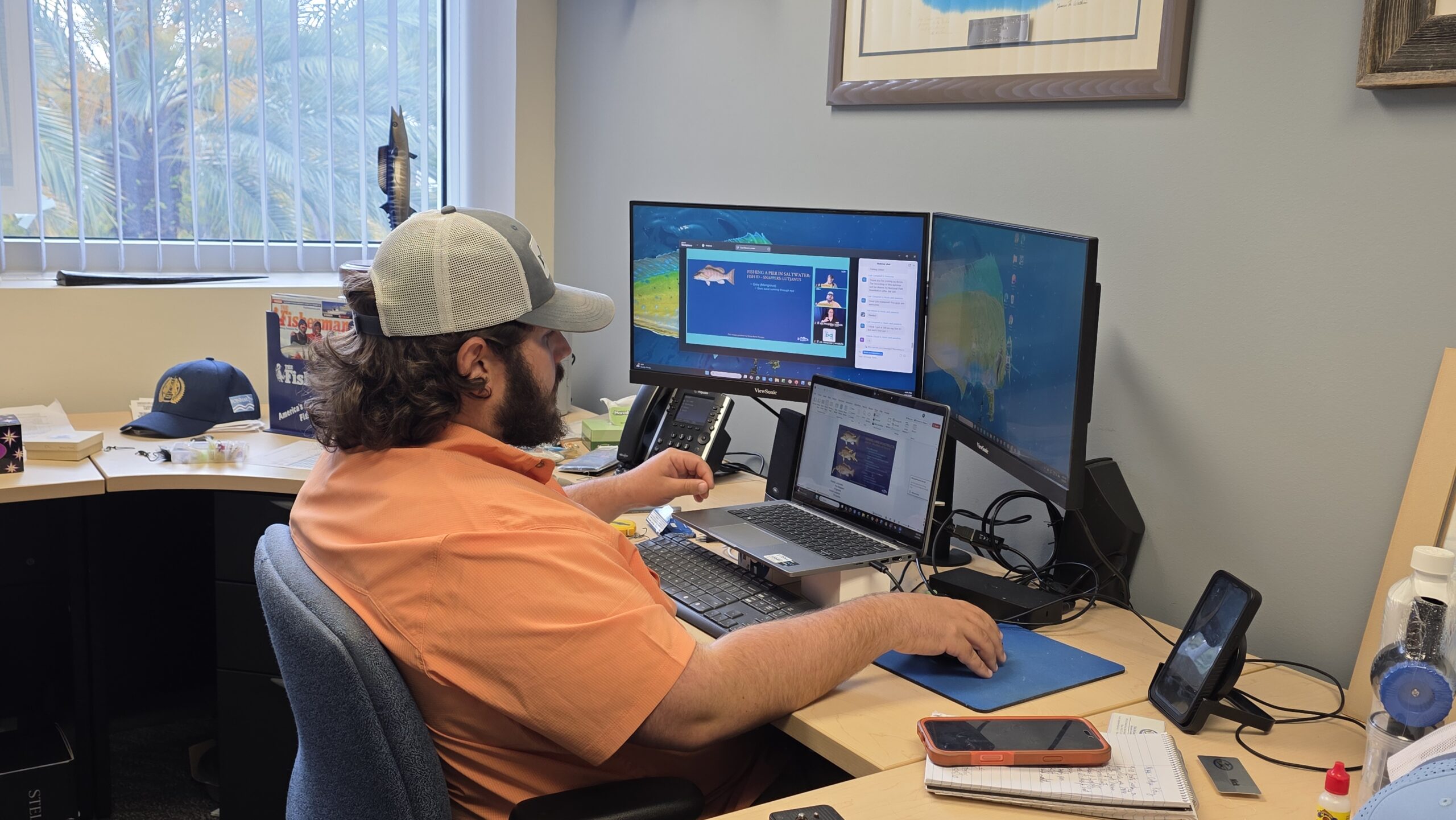
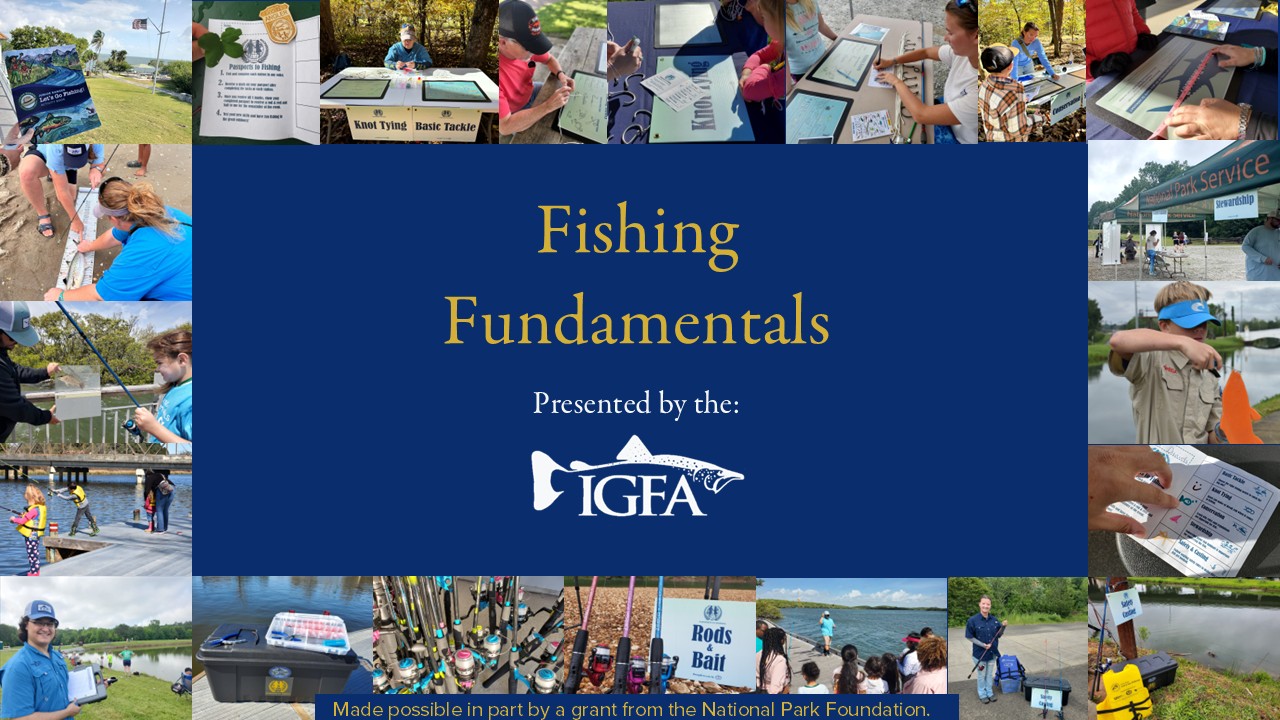
To start, the IGFA hosted two live virtual webinars in April covering topics for “Fishing Different Bodies of Water” and “Fishing Fundamentals” for Junior Ranger Angler grantees as a two-part training workshop preparing them for the busy spring and summer seasons of fishing programming and event facilitation. The first introduced participants to the various bodies of water that could be found in public lands across the country and basic gear and rigs to fish them, as well as an introduction to what game fish species could be found in each. The second took a deeper dive into the fundamentals of recreational fishing and ways to teach those concepts. Such topics as tying basic fishing knots, how to teach someone to cast a spincast and a spinning combo, what safety tips to keep in mind while hosting angling education events, and why conservation and stewardship are important to teach the next generation of ethical anglers were covered.
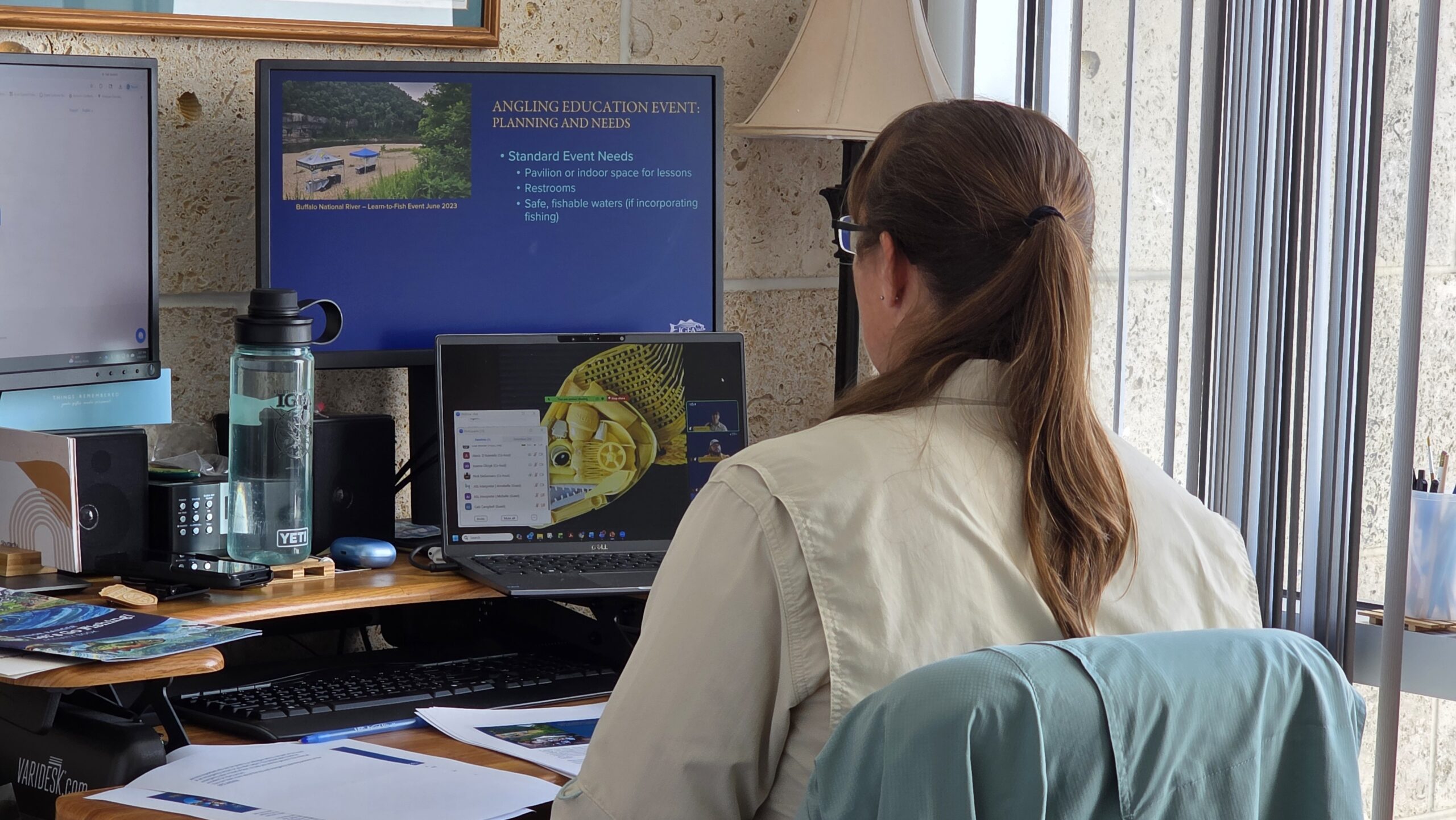
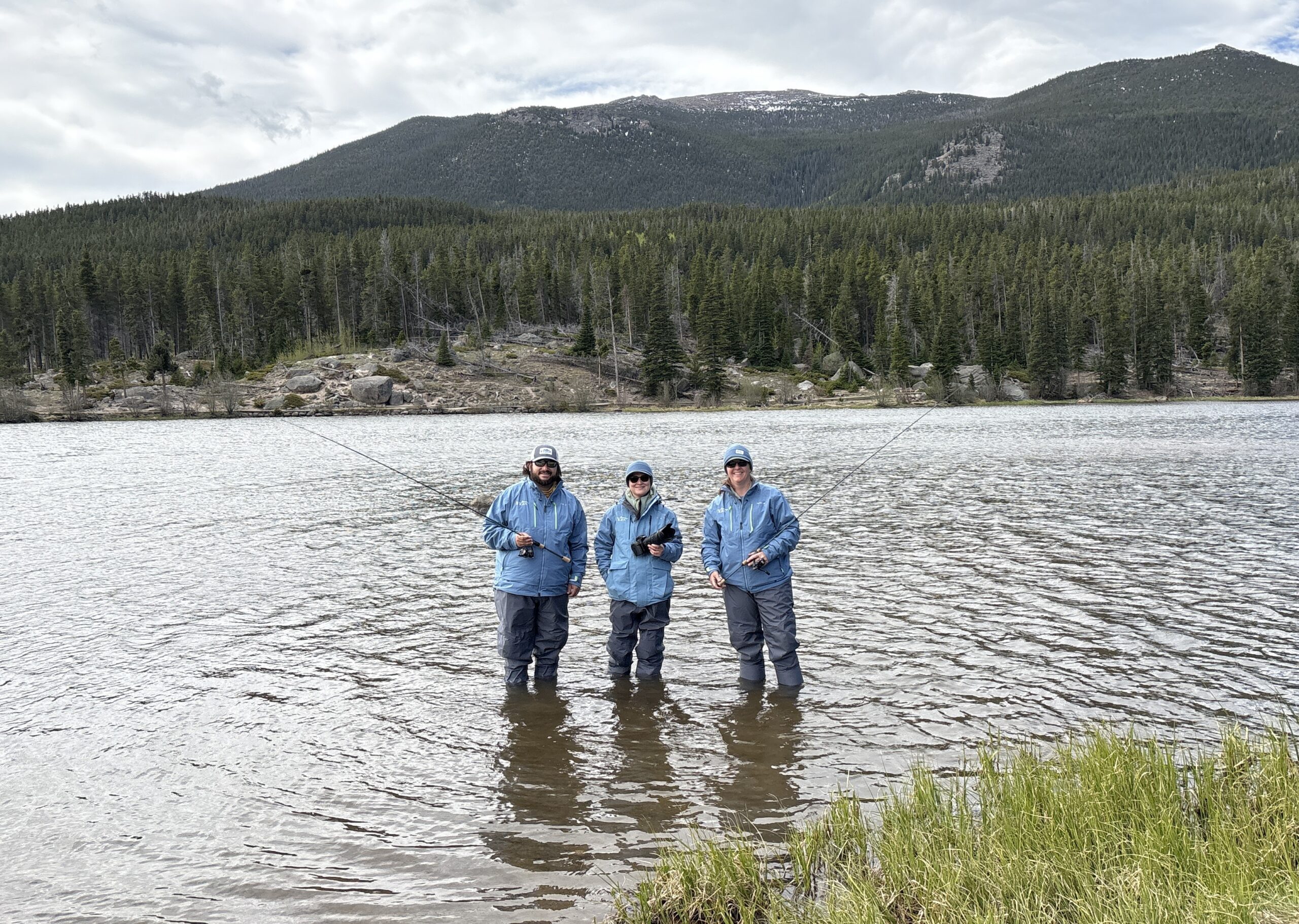
In May, the IGFA set out for Rocky Mountain National Park again in Colorado. There, we worked with Environment for the Americas to train the 2026 Fish & Feathers interns on learning to spin fish and how to teach others to spin fish. IGFA Education Manager, Nick DeGennaro, taught 24 interns this year about the fundamentals of recreational spinning gear and walked them through presentations on how to fish different bodies of water and how to identify certain game fish they could find at their park sites.
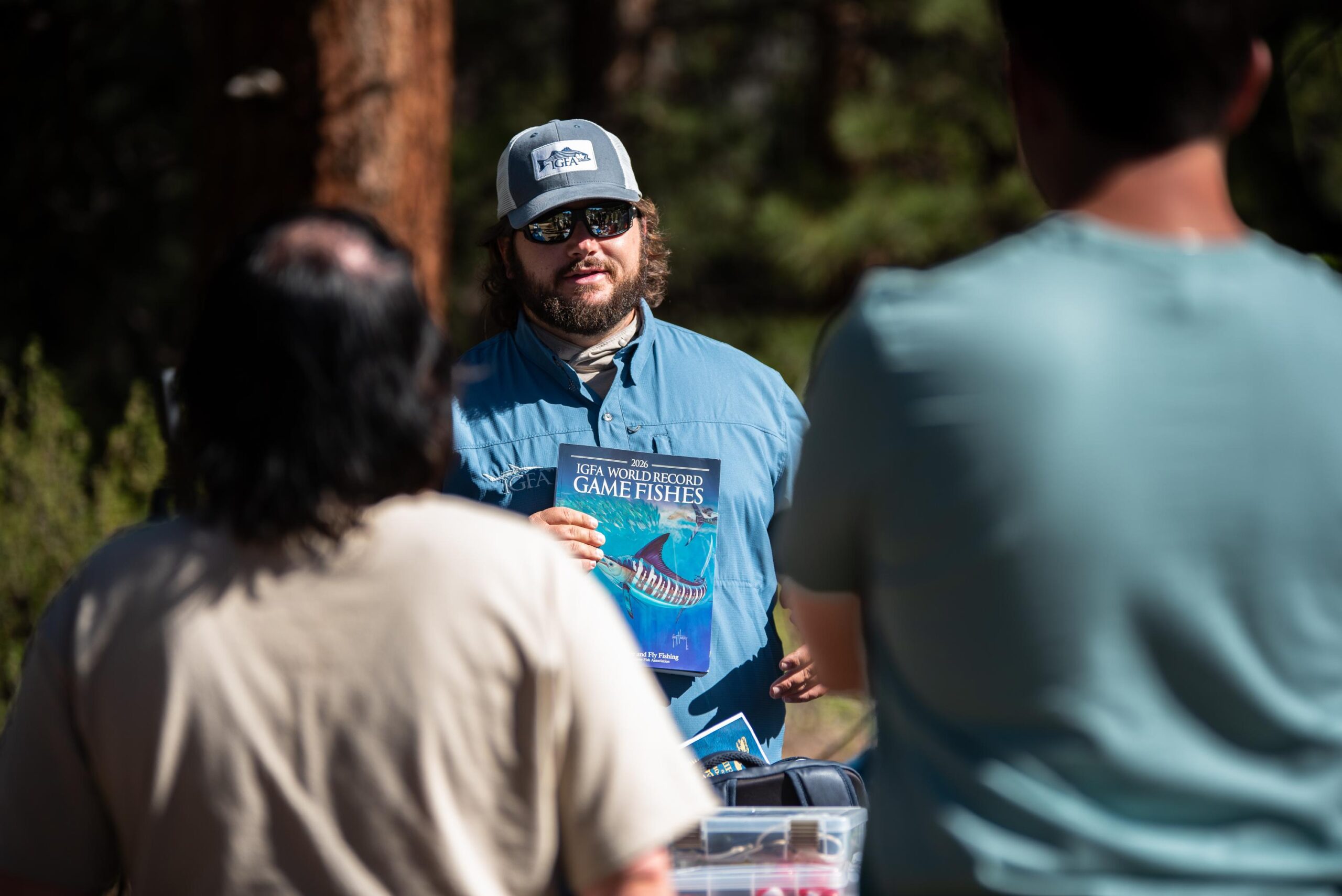
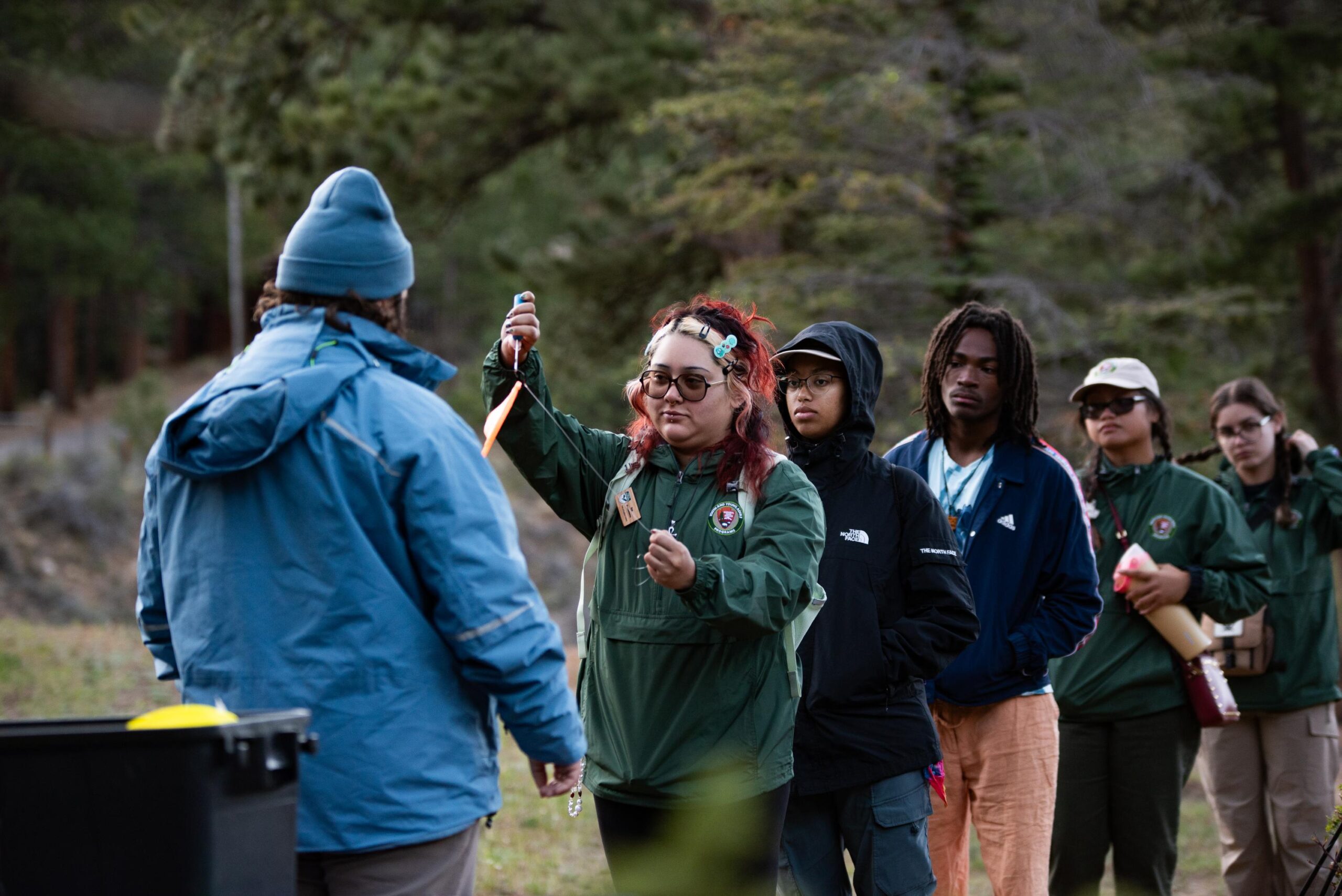
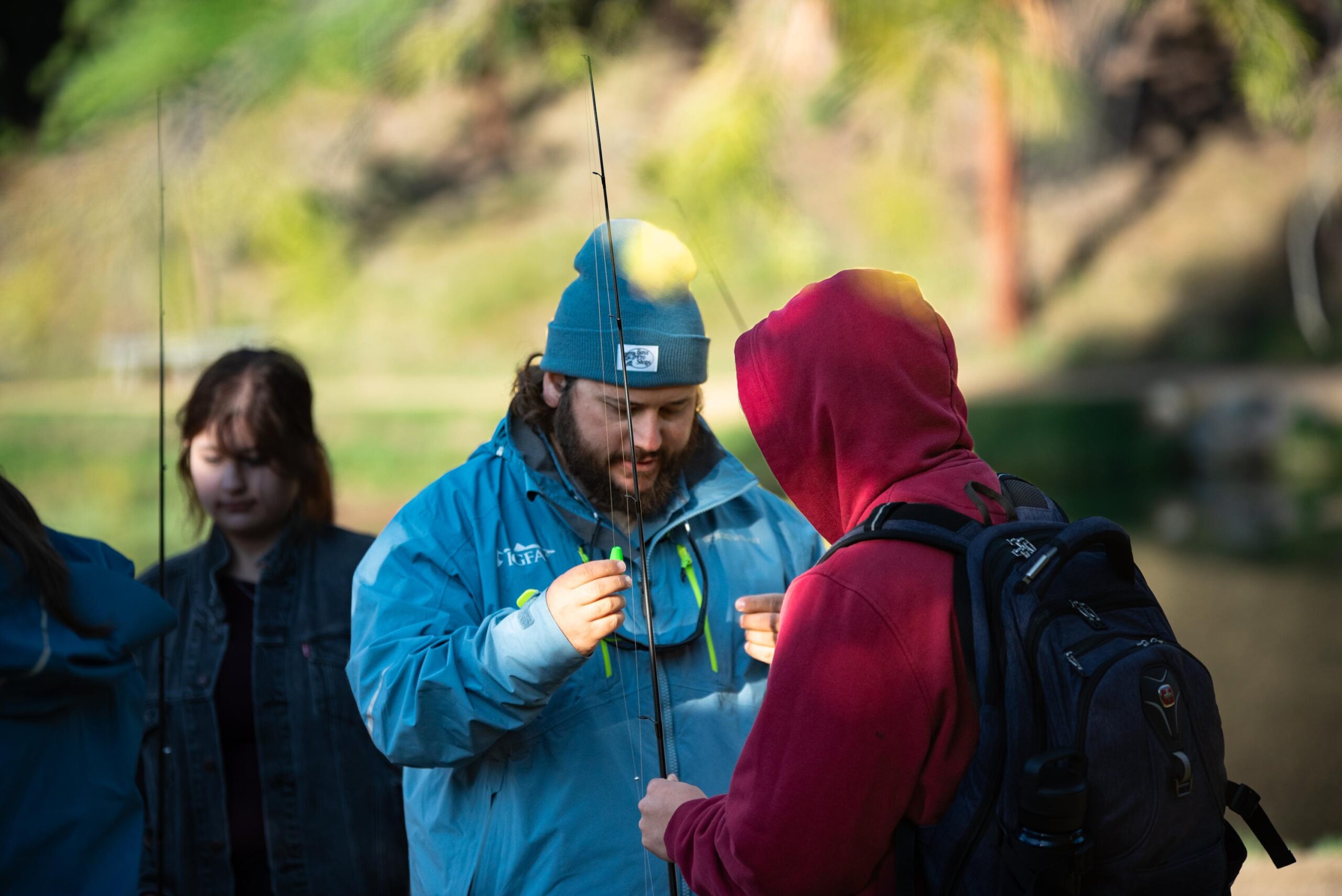
Along with the interns learning how to fish themselves, many learning for the first time, they also led a public fishing event where they turned into the instructors who were teaching others to fish, and again, many were learning how to fish for the first time. Their newly acquired skills were put to the test to relay the concepts and activities of the Passports to Fishing stations to all participants, where the average age of those who attended was 5 or 6 years old. IGFA Education Director, Lisa Morse took the interns through the stations before the event, and every year, the interns knock it out of the park! They do such a great job and make the evening quite enjoyable for all who attend.
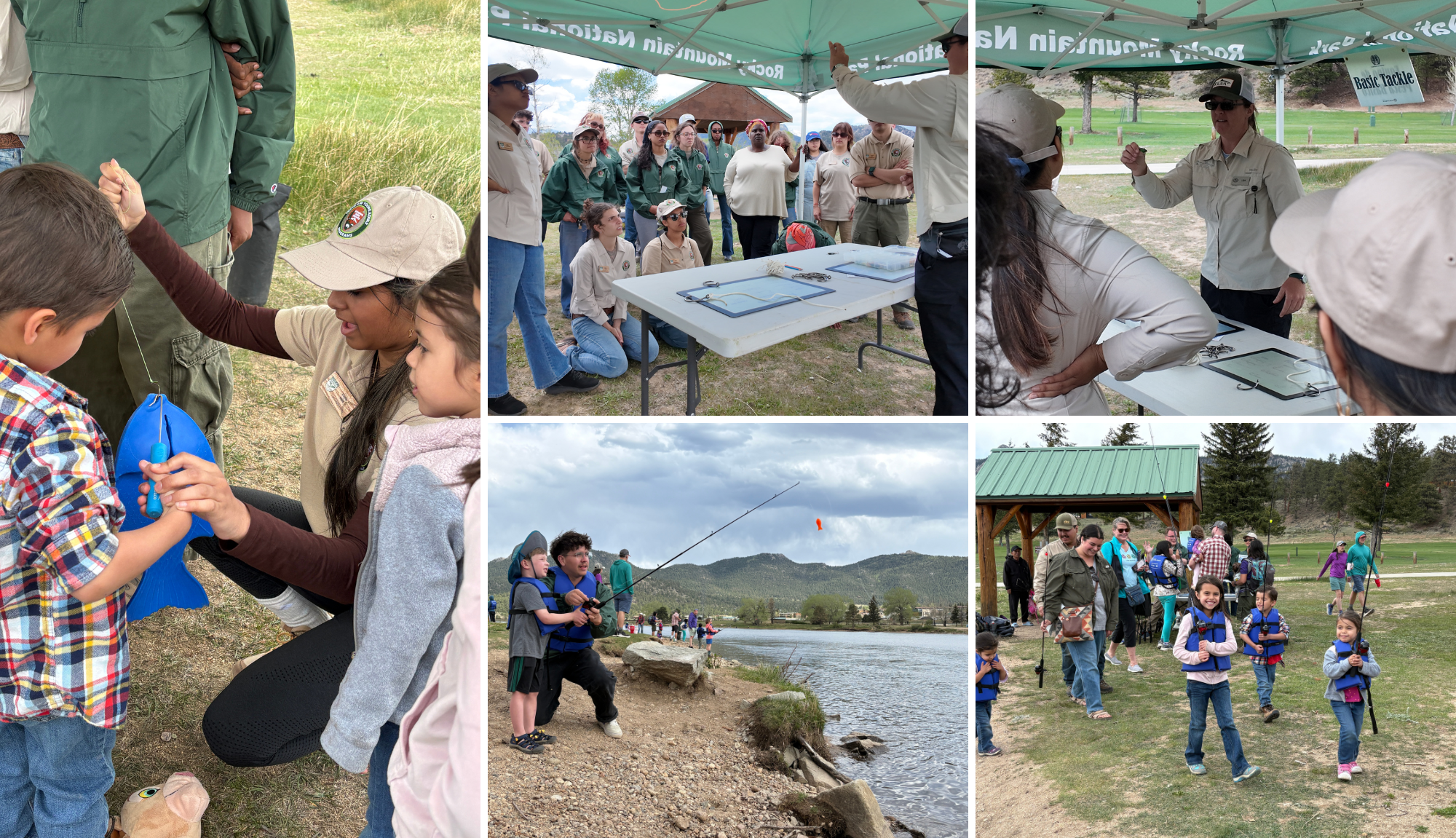
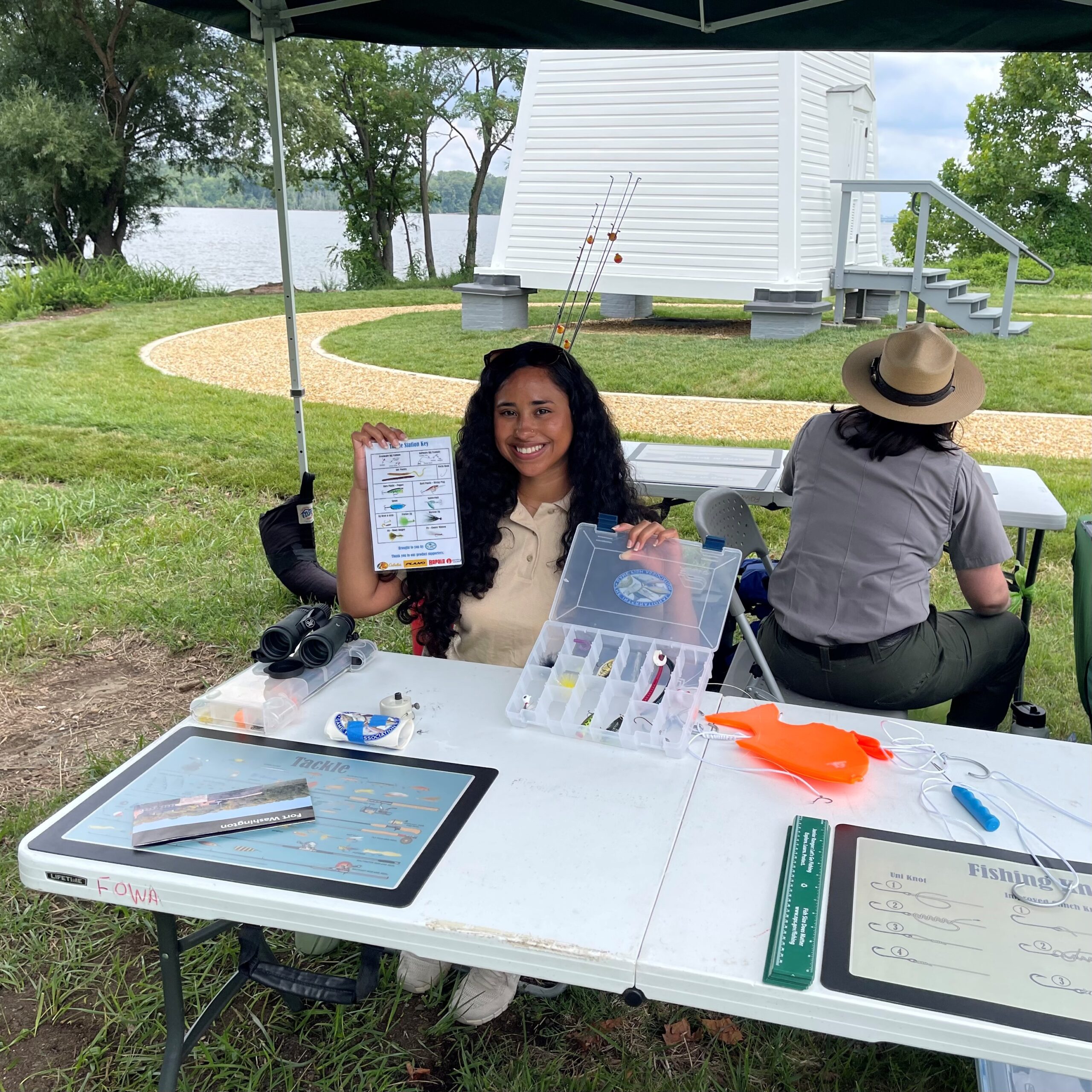
After this week-long training workshop in May, the interns are then dispersed to various parks nationwide where they conduct their own fishing and birding programs for members and visitors. Covering a variety of fishing techniques and game fish species can prove difficult as the United States has a plethora of waters and angling opportunities. However, the interns remain engaged and interested in learning all they can and continue to maintain communication with the IGFA throughout their 12-week summer internship. Some also request to obtain Passports to Fishing toolkits for their site to help their fishing programming, in which four kits have been distributed to Obed Wild & Scenic River in Tennessee, Abraham Lincoln Birthplace National Historical Park in Kentucky, Fort Washington Park in Maryland, and Kenilworth Park & Aquatic Gardens in Washington, DC. Another request was just received from Christiansted National Historic Site in St. Croix, Virgin Islands, which is already in transit!
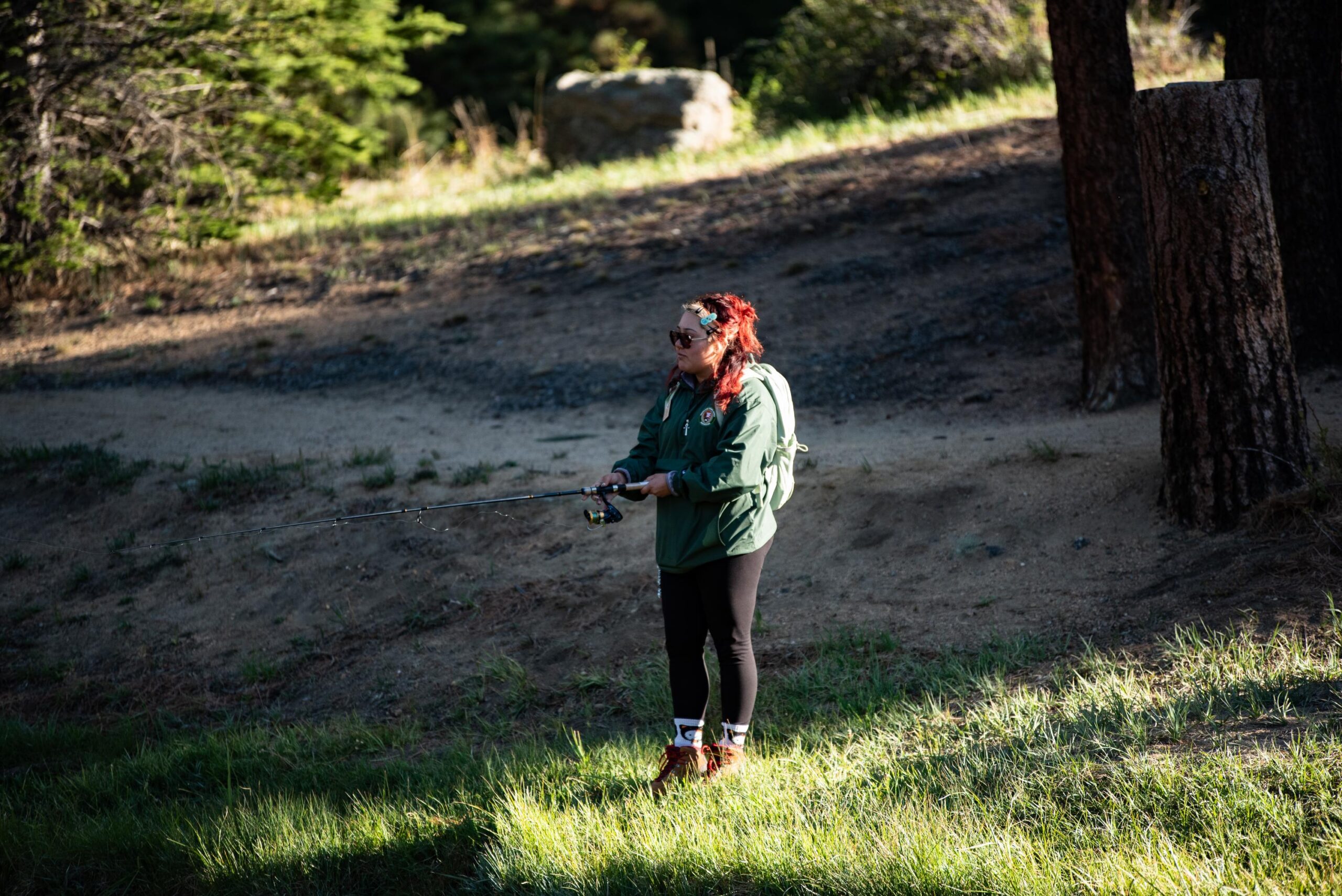
Kat A., who was the F&F intern at Rocky Mountain National Park this year, had this to say about programs where she took part over the summer: “During the program, I taught young anglers about trout stewardship and what it means to fish responsibly. One of the most important lessons we discussed was that being a good angler is about much more than catching the biggest fish. It means respecting wildlife, handling fish carefully, practicing ethical catch-and-release techniques, and helping protect aquatic ecosystems so future generations can enjoy them as well. Experiences like this made me realize how much I enjoy connecting people with my favorite hobby and being able to educate them on it.”
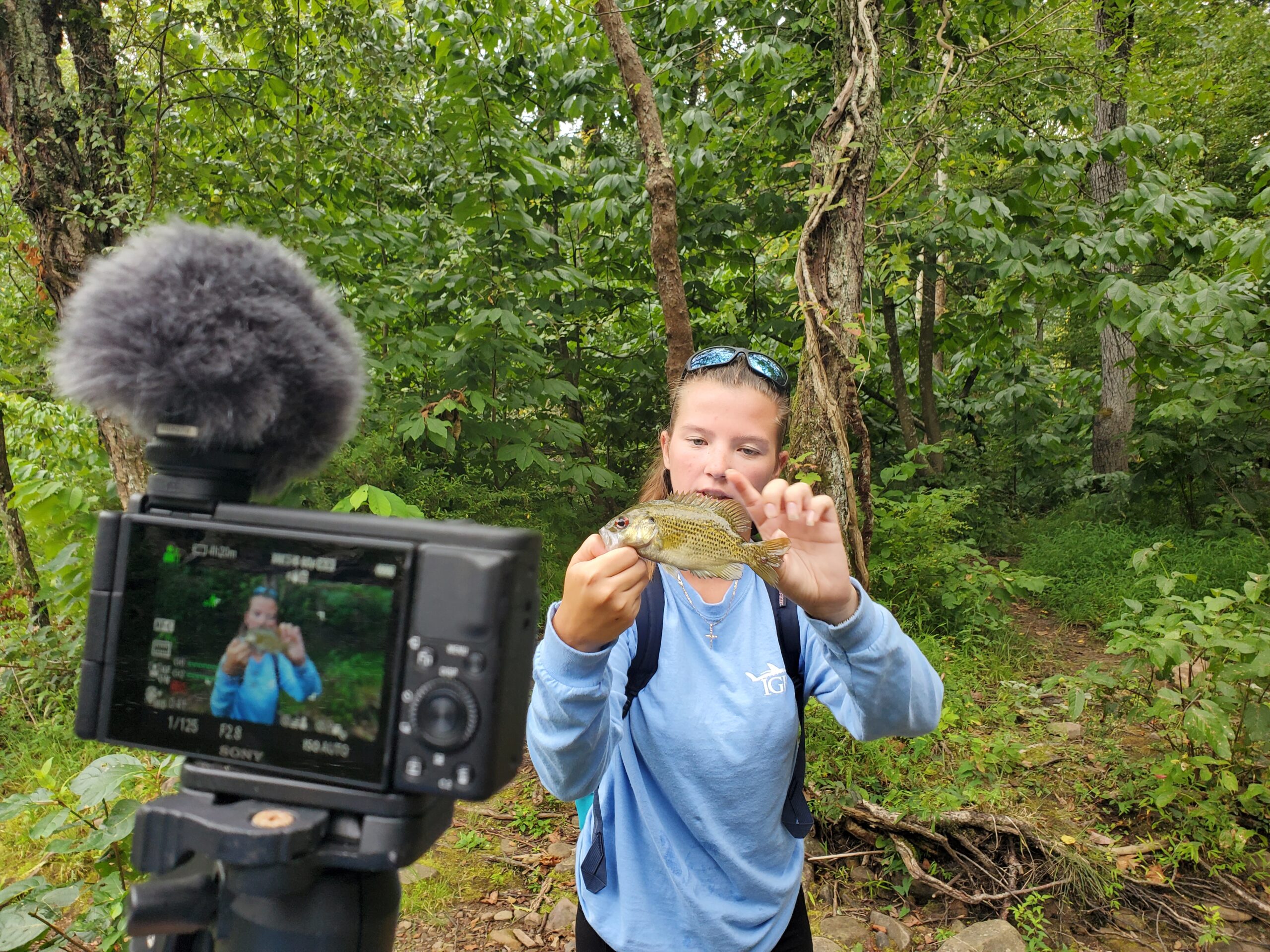
The IGFA also enjoys connecting people with national public lands through recreational fishing. In fact, wherever our travels took us over the last few years, we brought a camera to record strategic educational tutorials to build online training resources. On September 1, 2026, we launched the Fishing National Public Lands online course to teach anyone how to fish safely and responsibly in public lands, not just in National Parks. This course is available at no cost and is also for anyone who would like to host an angling education event, with safety, conservation, and ethical angling practices as key components of their events, and how they can utilize the IGFA as a resource, especially with the use of the Passports to Fishing program in their efforts.
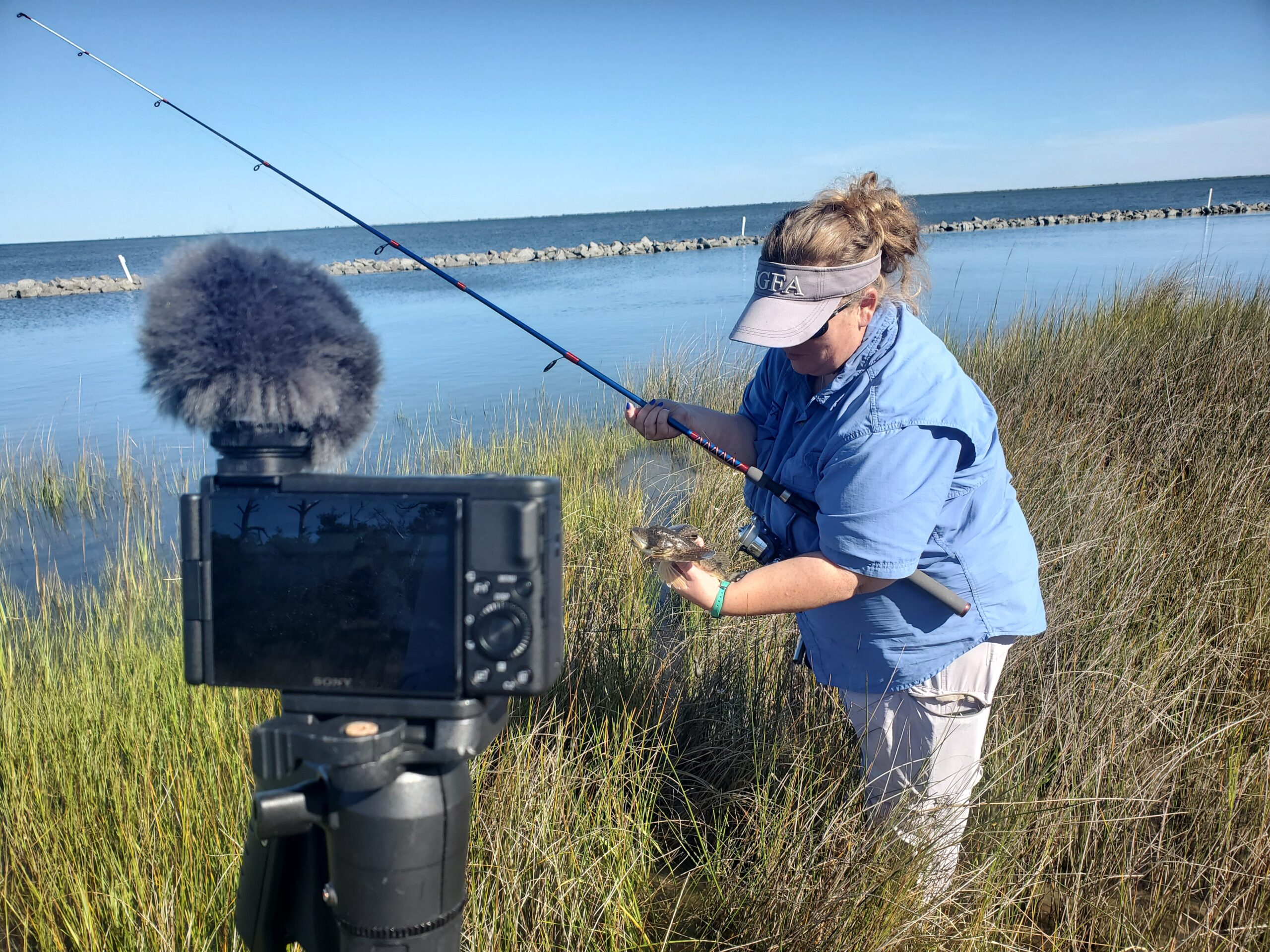
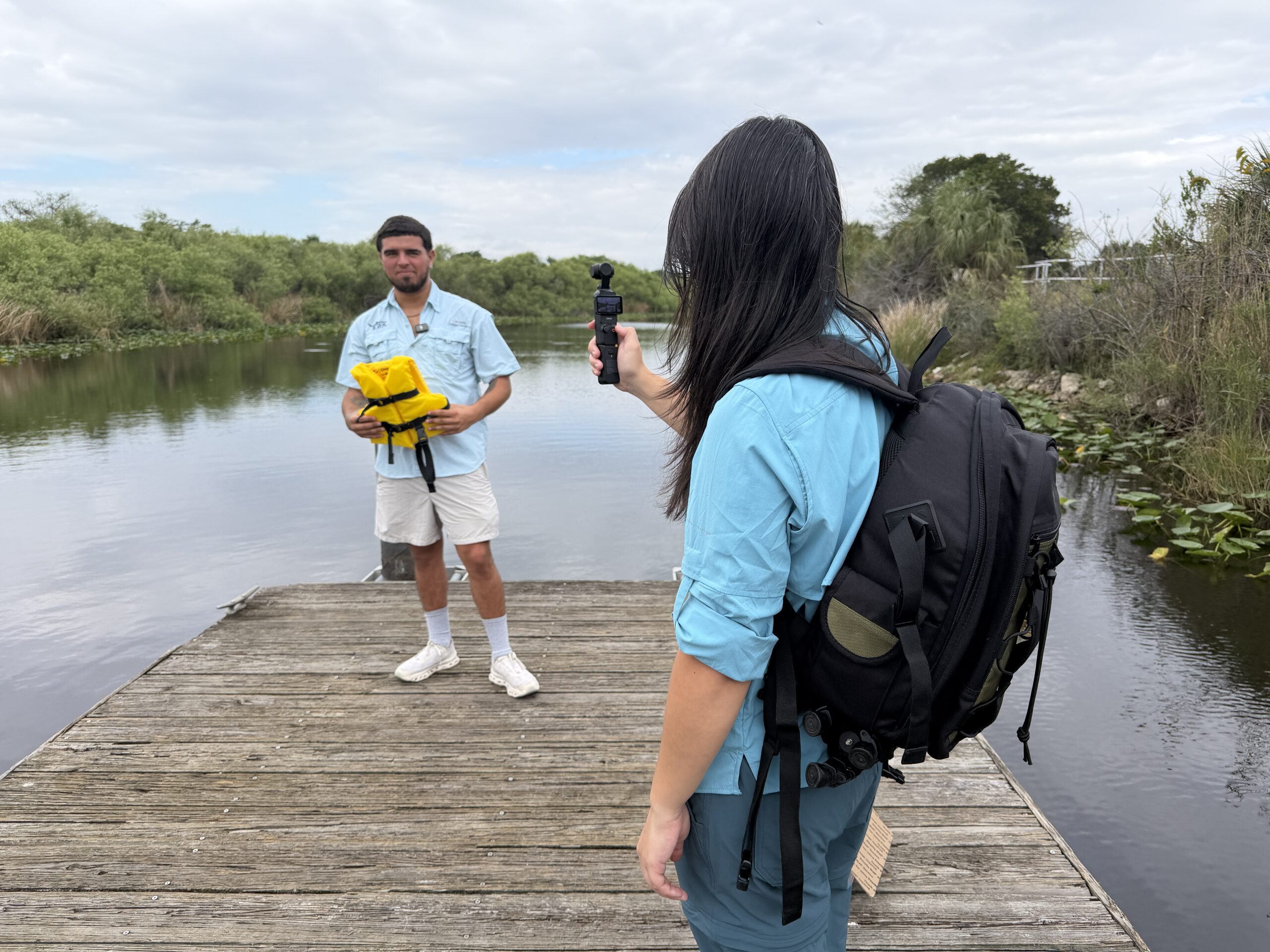
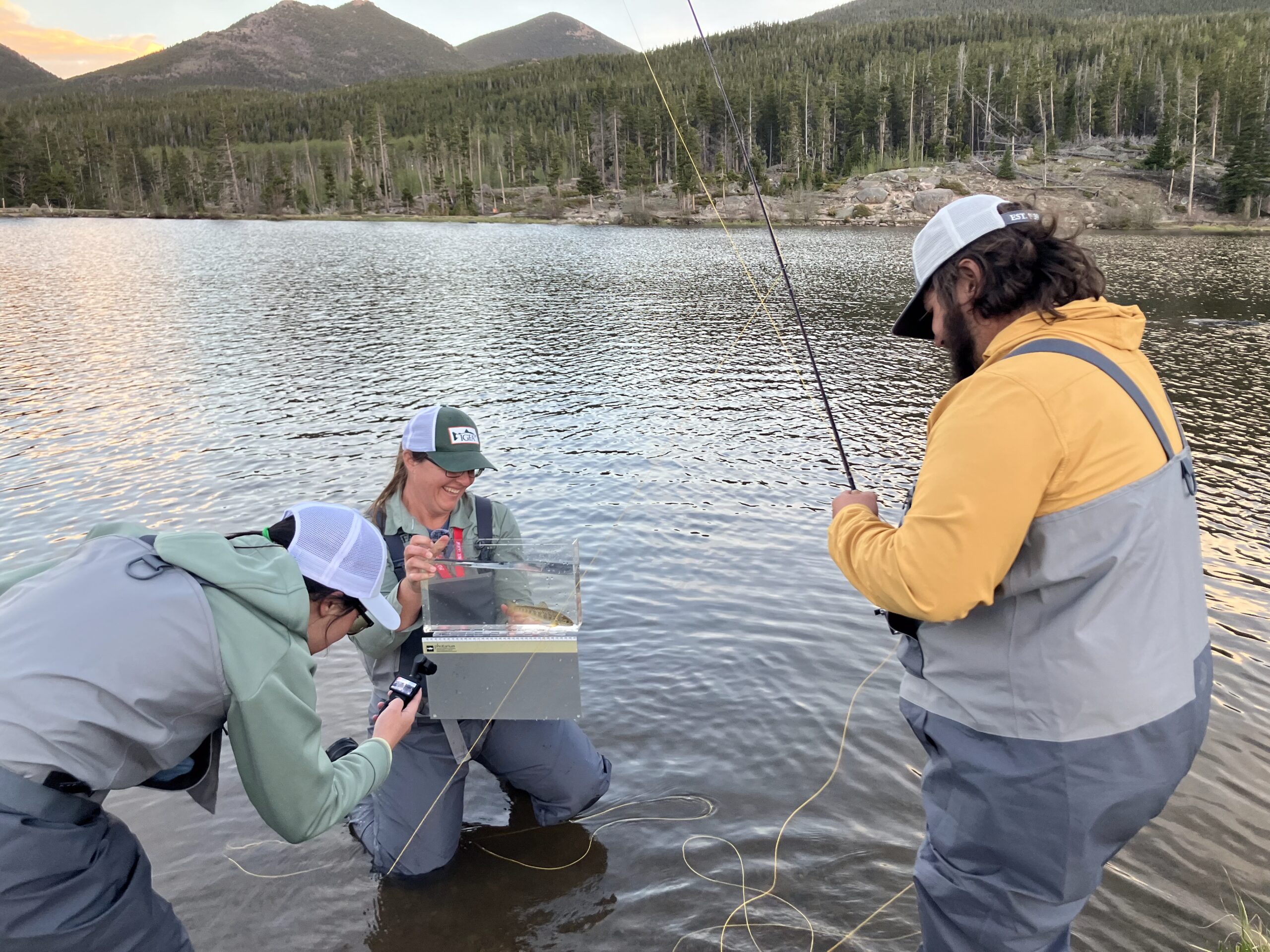
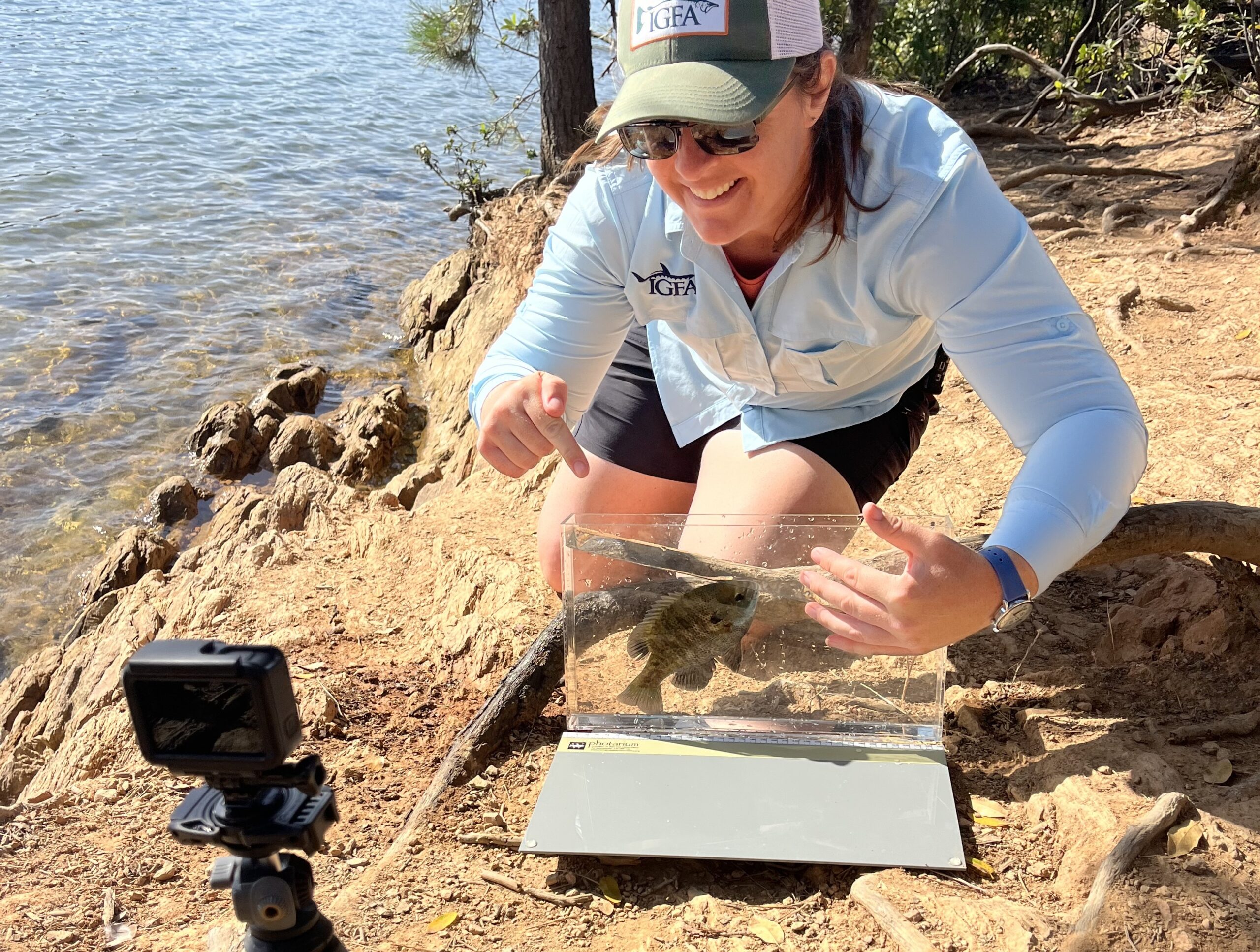
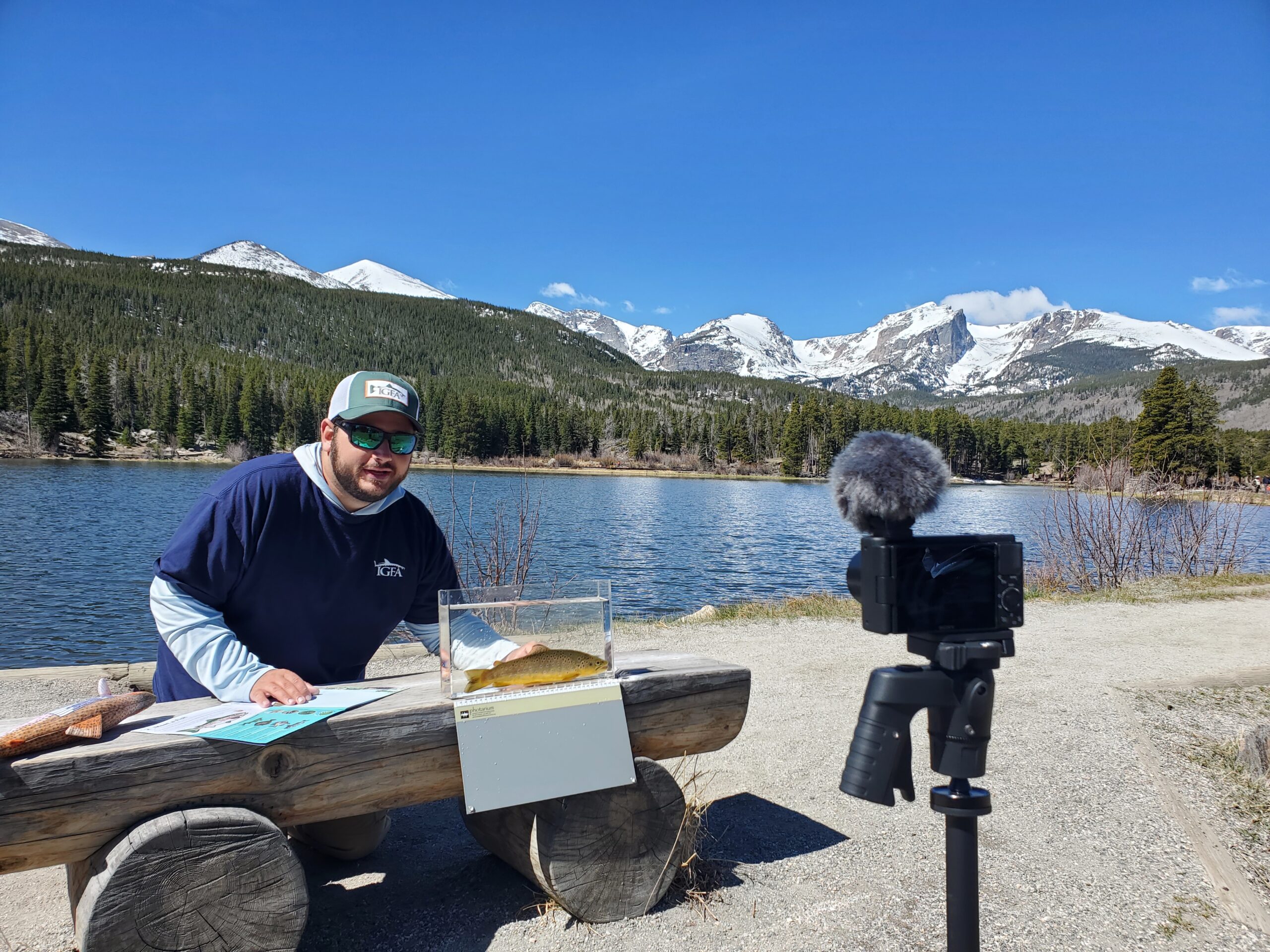
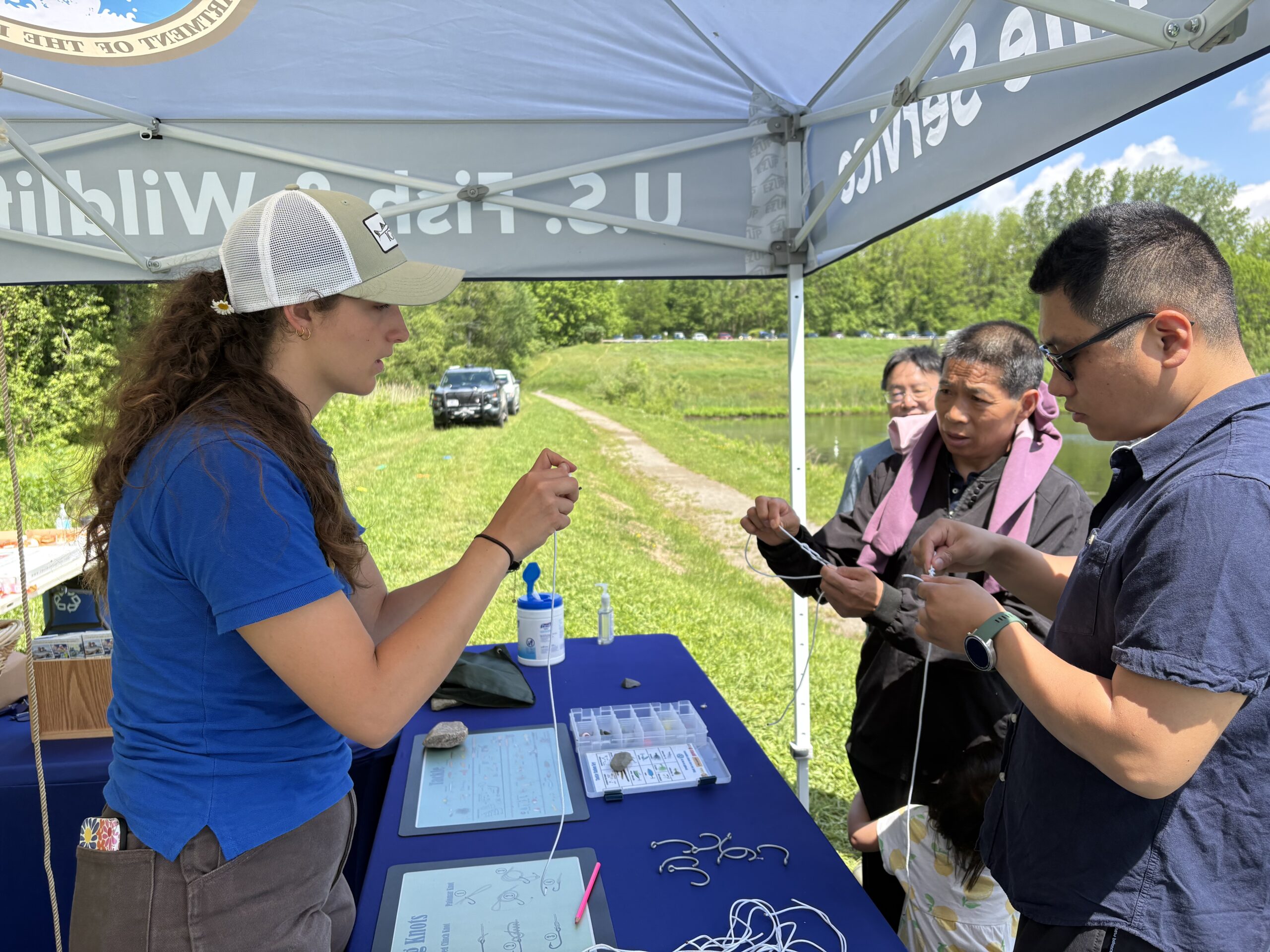
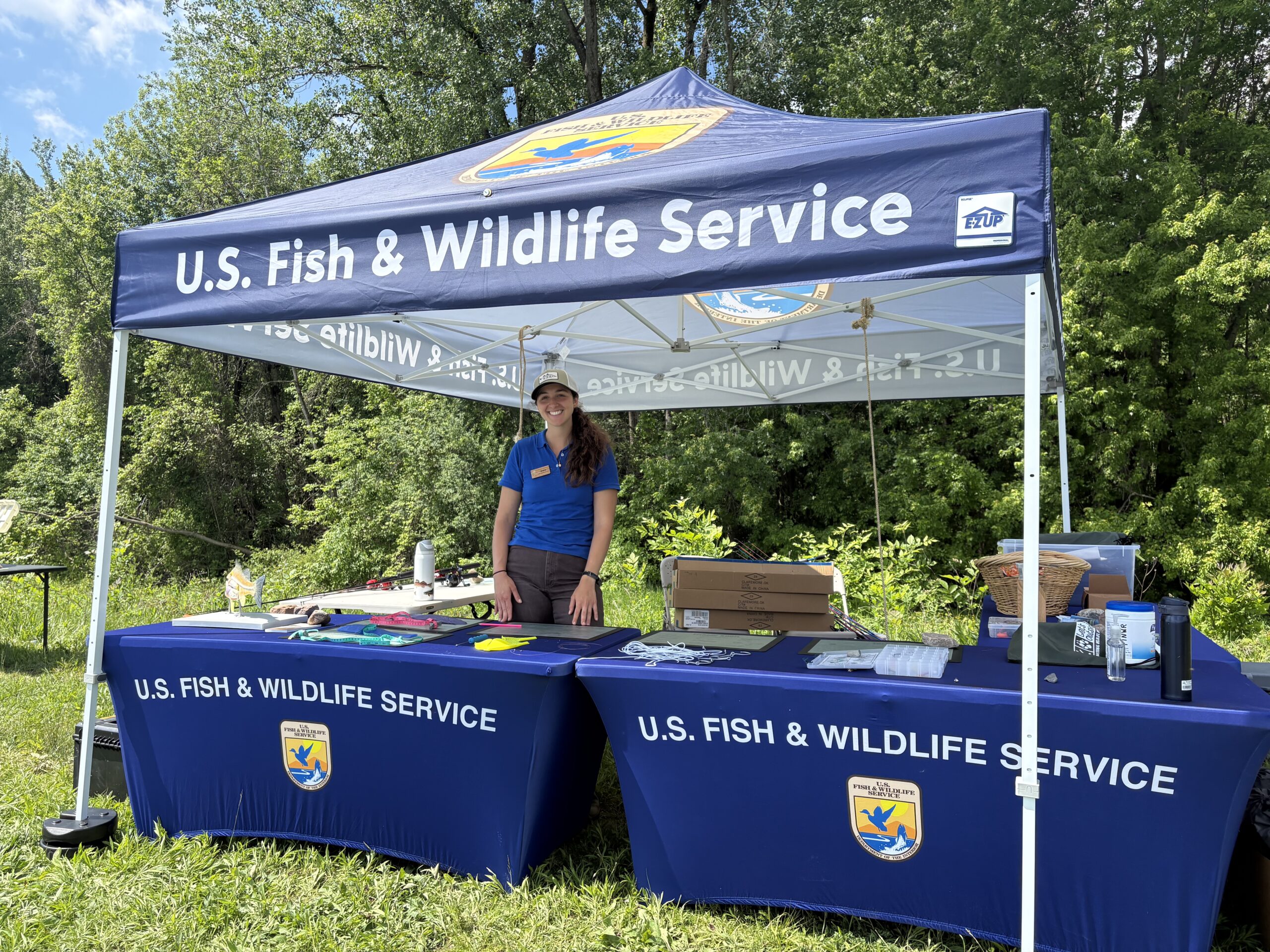
National public lands encompass about 640 million acres of land collectively owned by all citizens of the United States, and within this land, a plethora of game fish inhabit a variety of waterways that it is our duty to conserve and protect as ethical anglers. Another intern who attended the training workshop in Rocky Mountain National Park interned at Iroquois National Wildlife Refuge in New York. This is what Grace had to say about the program at her public land site: “To cap off my week, Saturday, June 6th, we hosted a family fishing day. I was very excited for this day because I was able to get the Passports to Fishing Kit from the IGFA for our refuge. The stations for the passports helped out a lot, as not everyone knew the basics of fishing. Participants were especially interested in learning how to tie the knots. I was happy I was able to get this wonderful resource for our refuge. Thank you, IGFA!” The IGFA Passports to Fishing program is just one avenue working to educate new generations about game fish conservation and ethical angling practices, and it is not only distributed to recipients in the United States but around the world as tangible tools with the core mission of teaching the fundamentals of our sport and the need for responsible, ethical angling and the sustainable use of our natural resources.
Thank You for Your Continued Support!
If you are interested in the Passports to Fishing program or to donate to this work that must continue, please contact IGFA Education Director, Lisa Morse, at [email protected].
The Passports to Fishing program and Junior Ranger Angler initiative started around the same time in 2019, and it is exciting to see these two programs still going strong, reaching thousands of youth every year across the United States and beyond. To all our supporters, we cannot thank you enough, especially to the National Park Foundation for this specific project. It has been a pleasure working with National Park Service staff, volunteers, and interns throughout the years and having the privilege to visit some of our national treasures.
To our grant funders, donors, and Corporate Partners who support the IGFA Education Initiatives, we thank you as well for gifting youth and families these opportunities to experience the joys of fishing and to build a passion for venturing outside, where they create memories and lifelong bonds to the sport and to our beloved game fish. We would like to give a shoutout to our partners at Bass Pro Shops for outfitting our staff with the proper gear to withstand various weather conditions and waterways we fished in these national treasures.
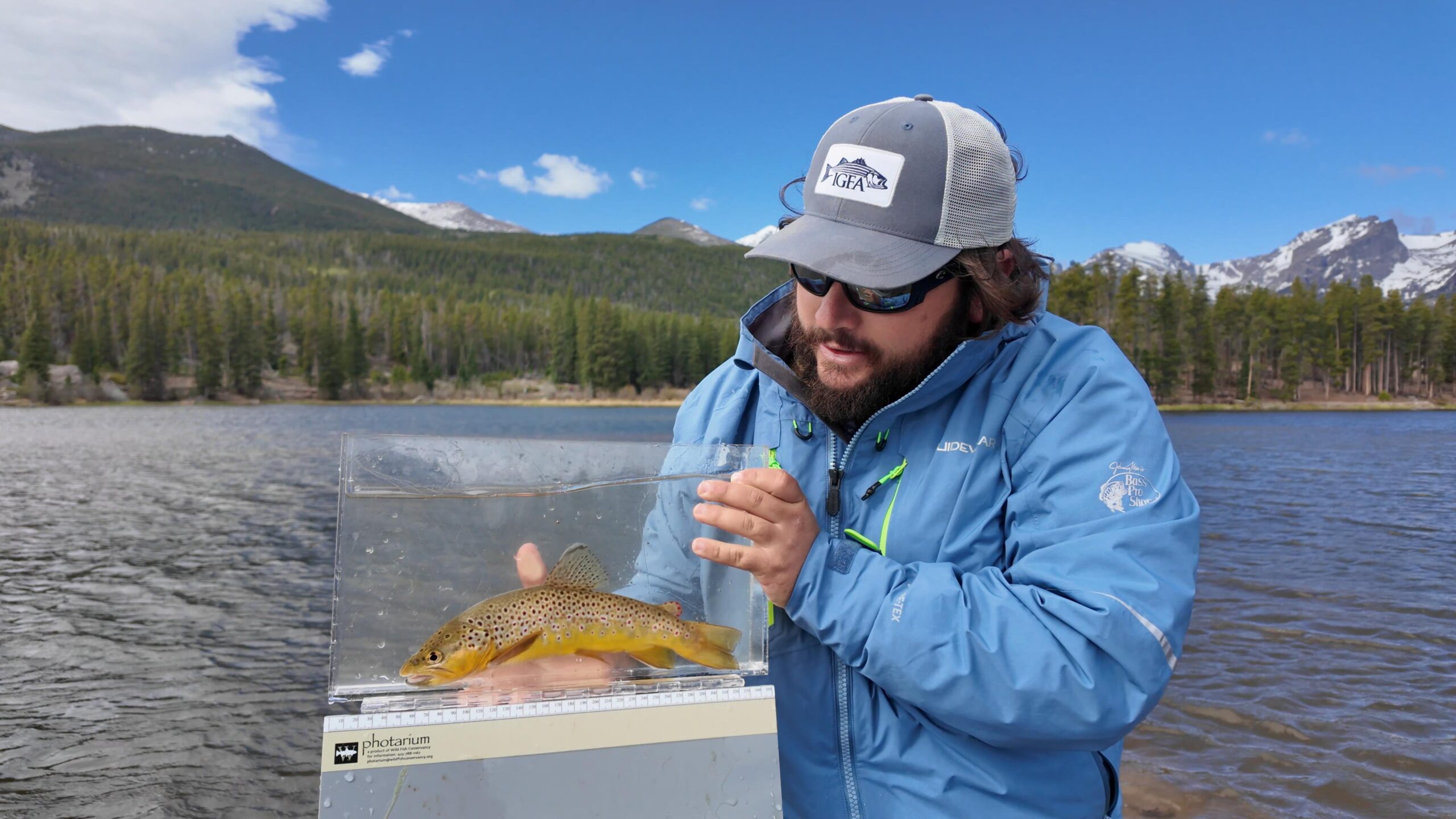
Don’t forget to sign up and explore Fishing National Public Lands! It’s free! Also, National Public Lands Day and National Hunting and Fishing Day both fall on September 26, 2026, this year. So, after you learn, head outside to explore, learn, protect, and to do some fishing. We’ll see you out there!