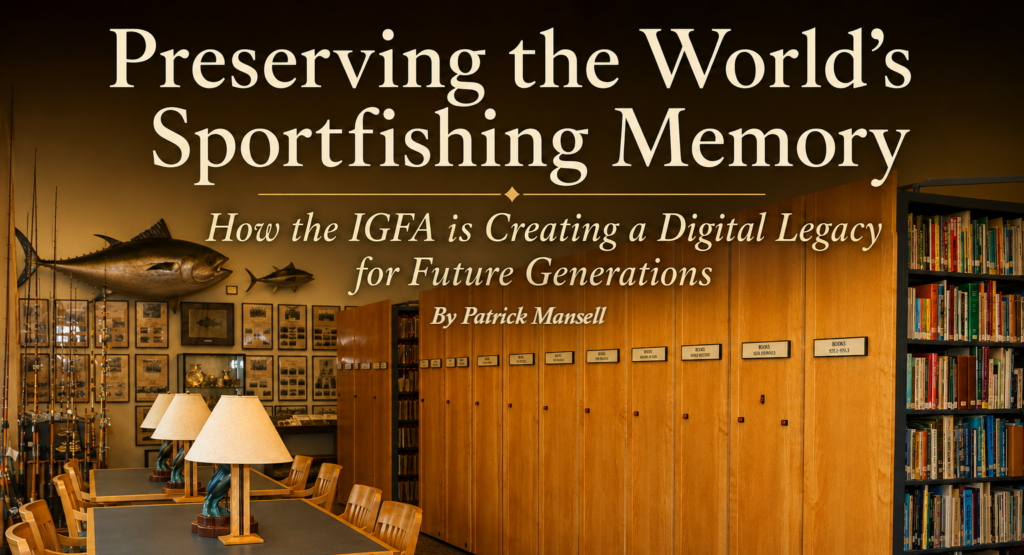
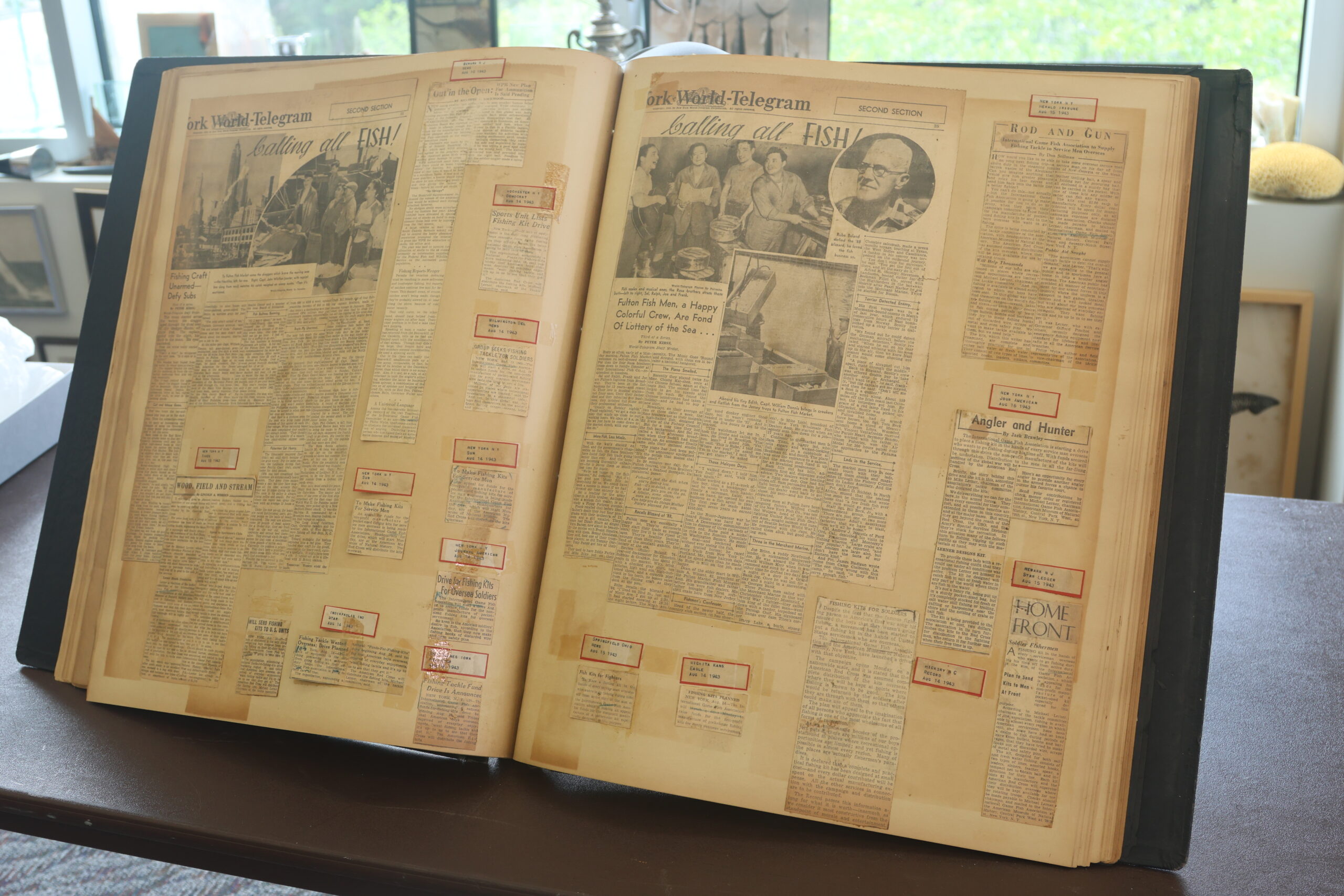
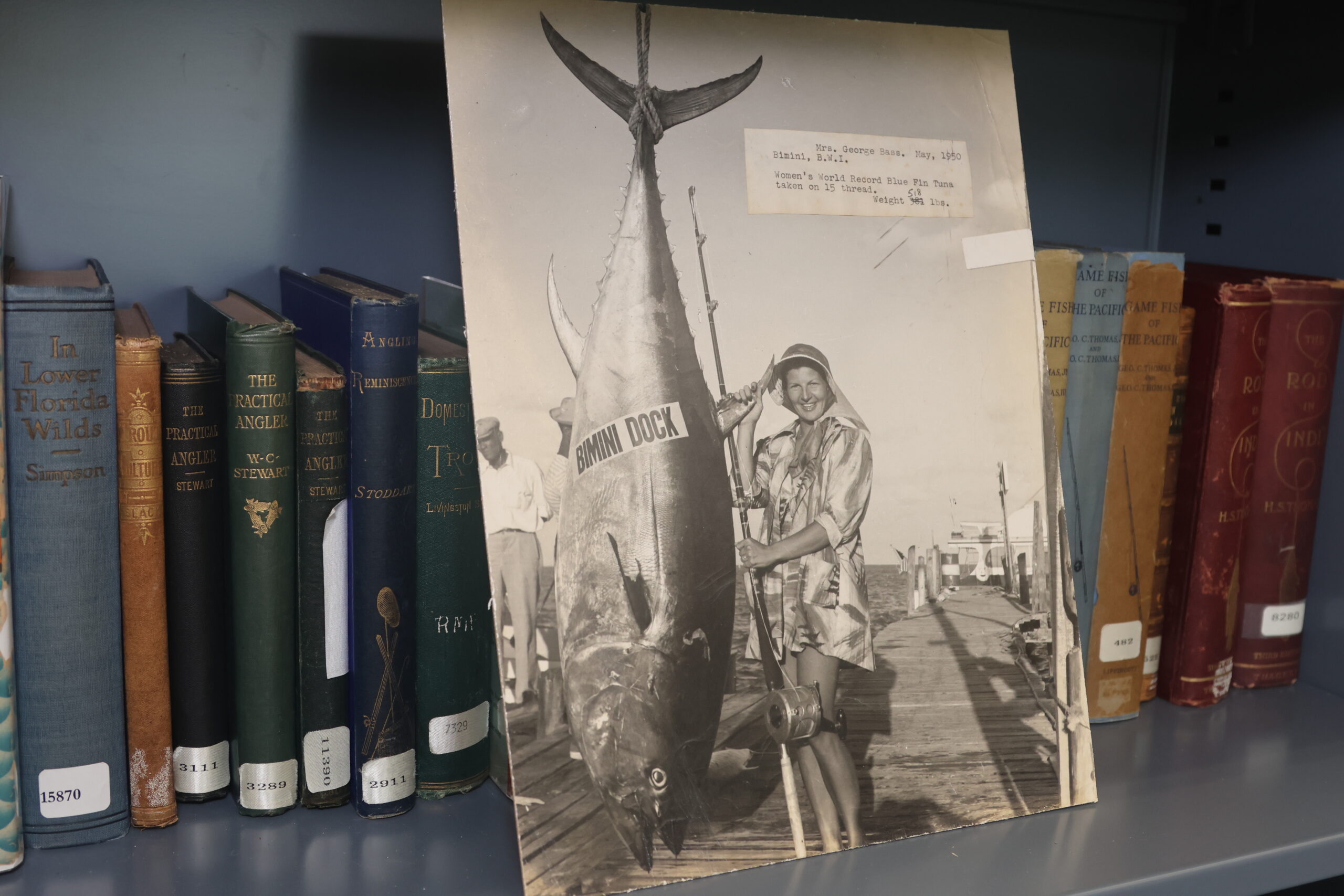
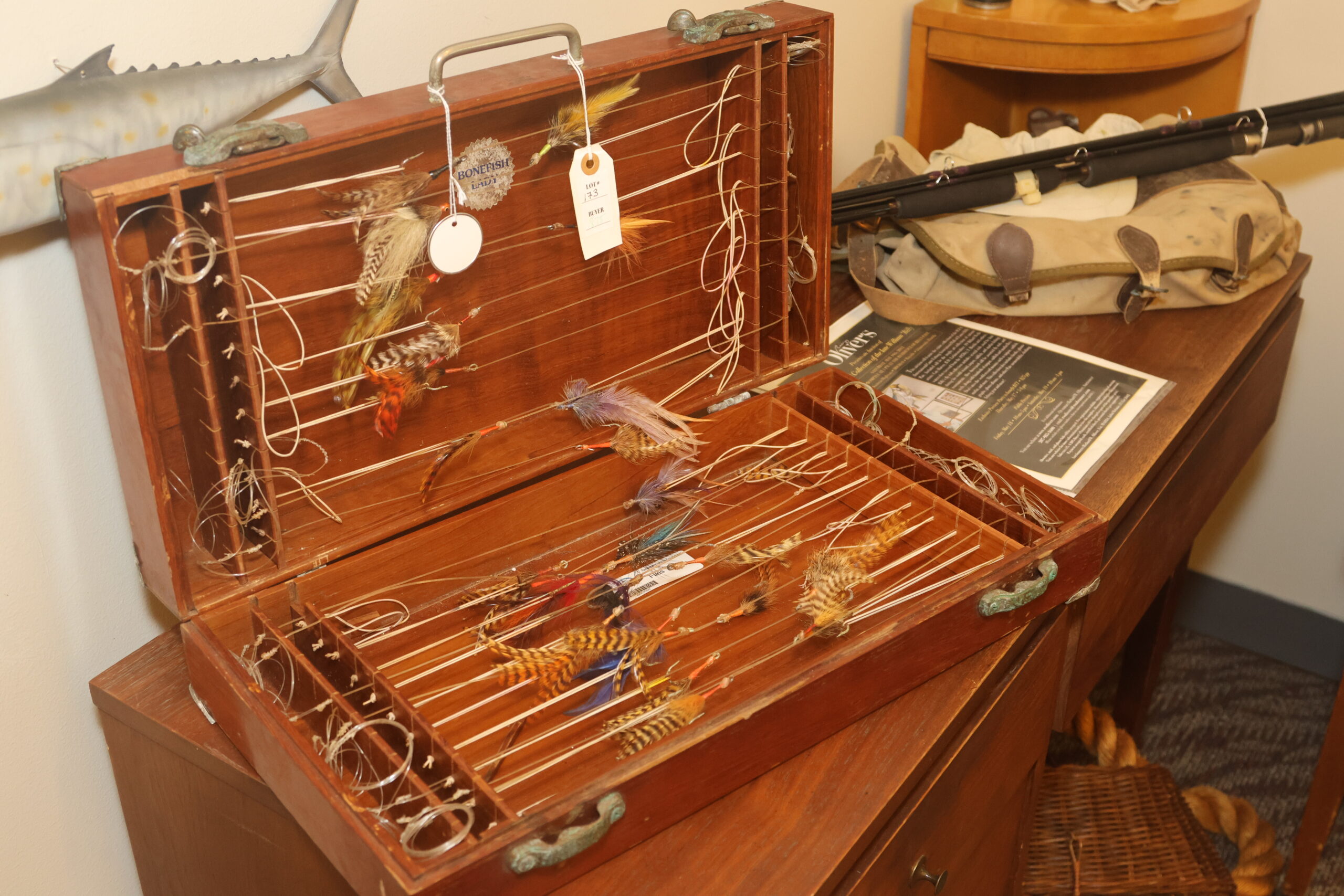
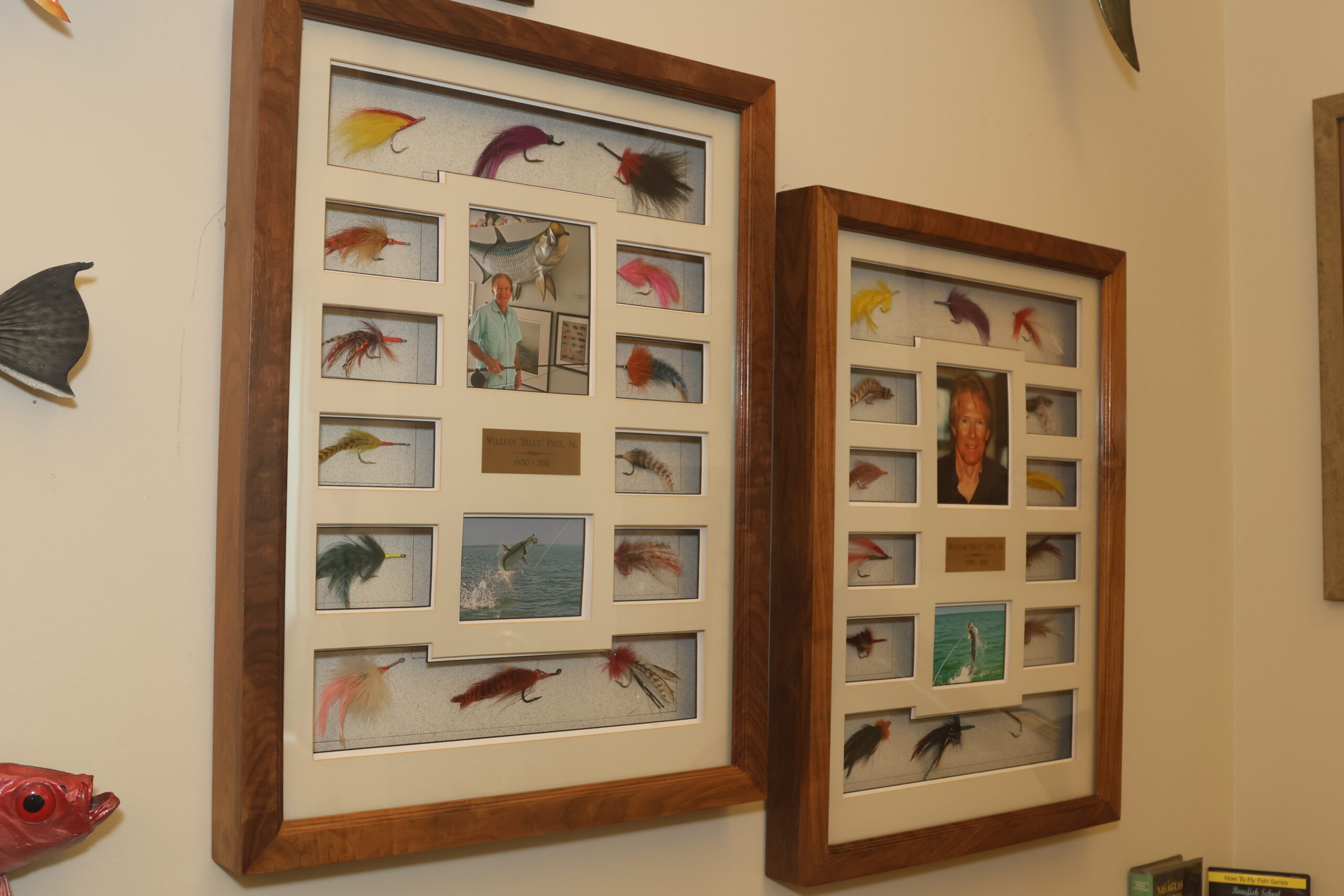
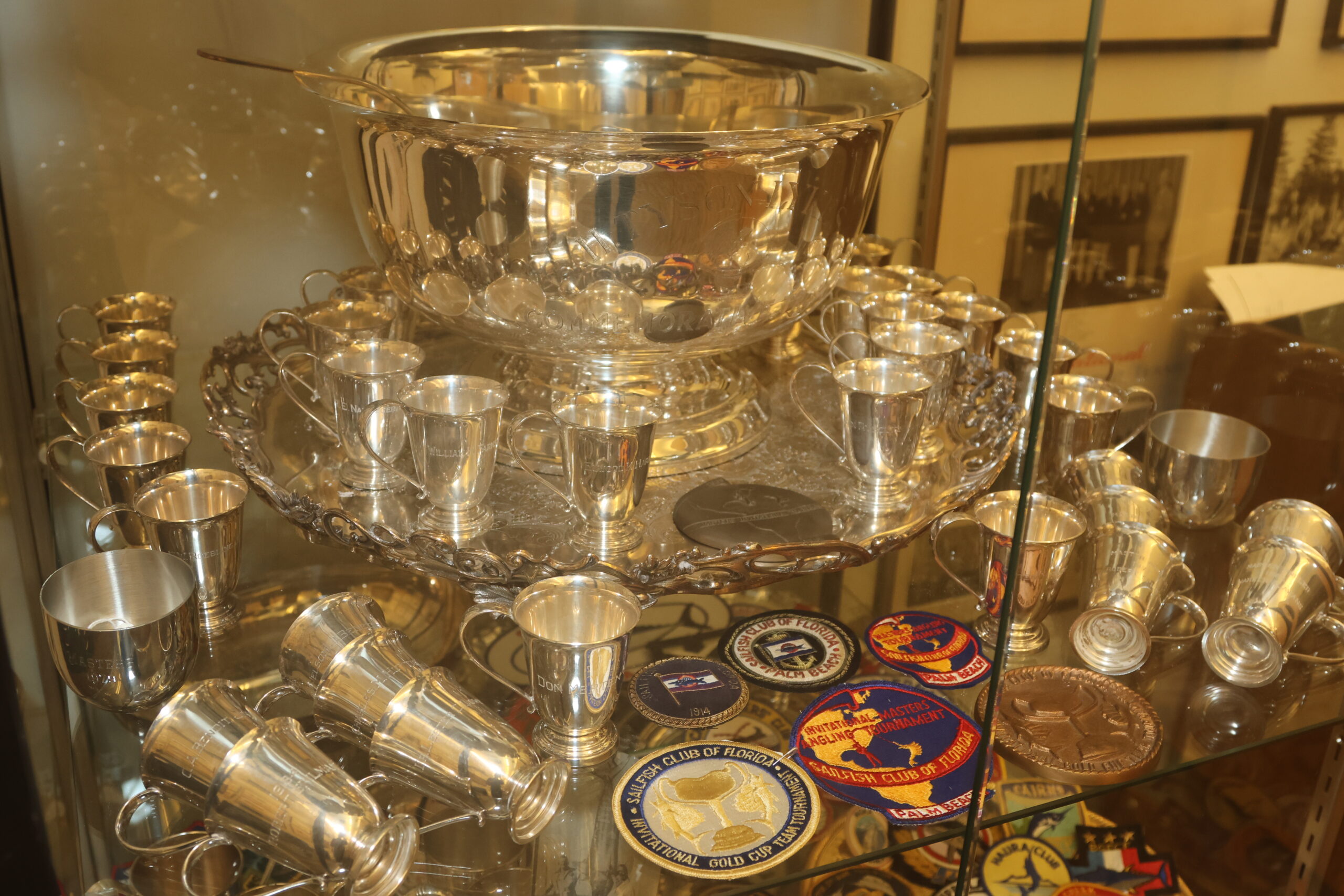
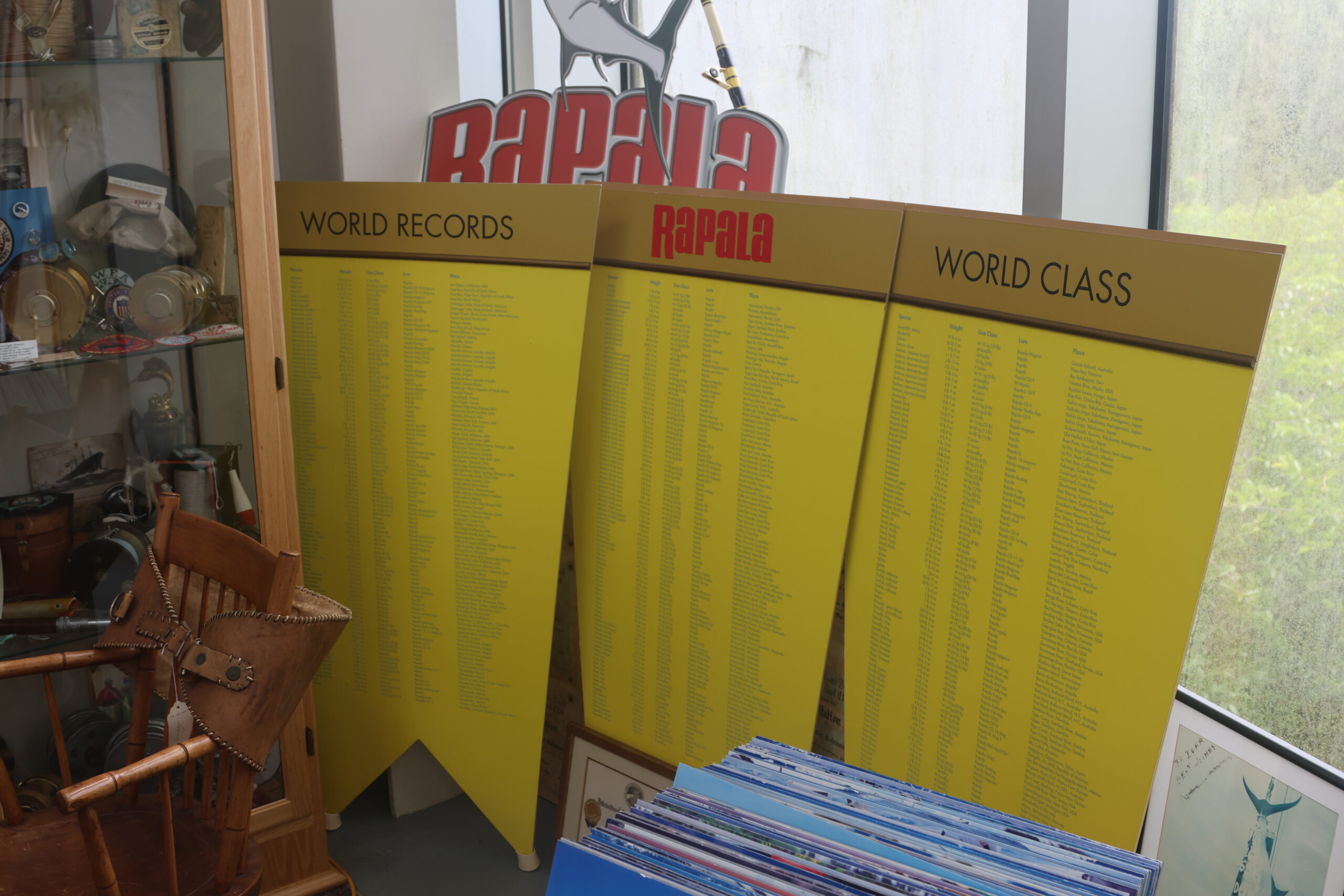
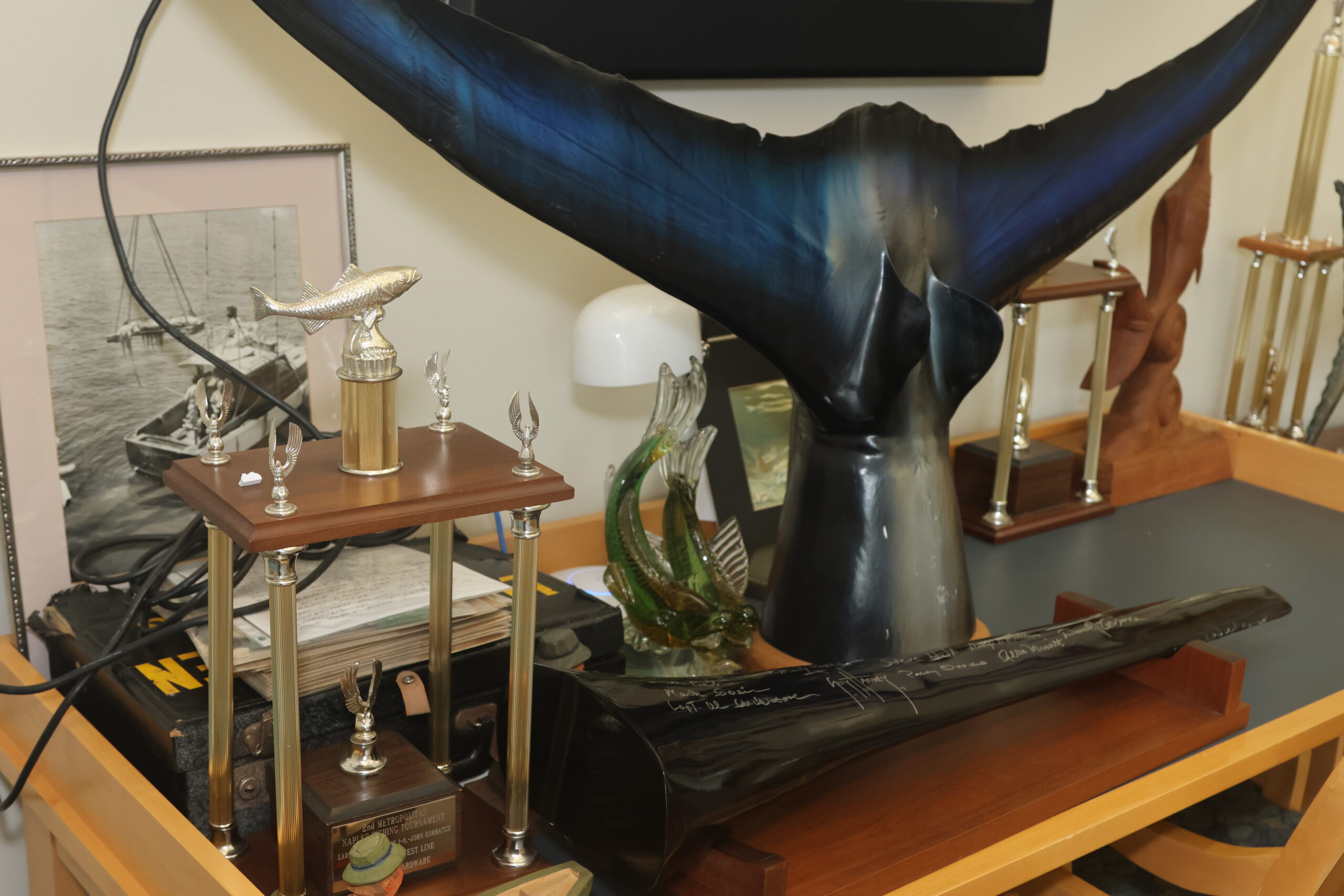
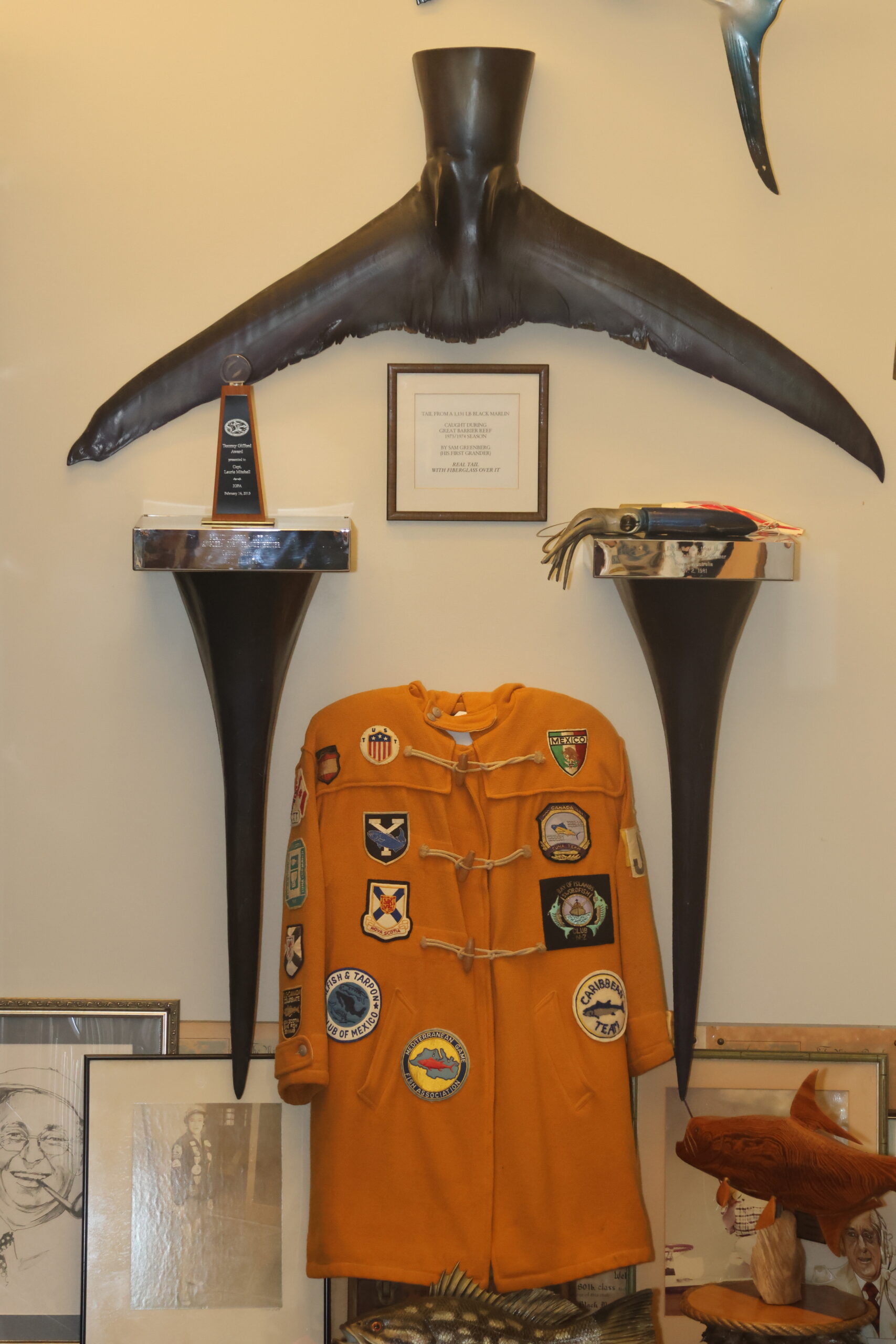
Walk through the doors of the E.K. Harry Library of Fishes at the International Game Fish Association offices in Dania Beach, Florida, and you quickly realize you are standing in the middle of something special. There are books lining the shelves by the thousands. Photographs document great catches, legendary anglers, and distant expeditions. Scientific journals preserve decades of fisheries research. Scrapbooks, correspondence, tournament records, magazines, films, slides, trophies from various organizations and tournaments, as well as rods, reels, flies, and lures of historical significance and IGFA Fishing Hall of Fame materials, tell the story of how recreational fishing evolved into the global sport it is today.
Some of these treasures are well known. Others have been quietly sitting on shelves, in filing cabinets, or tucked away in boxes for years. Together, they represent one of the most important collections of sportfishing history in the world.
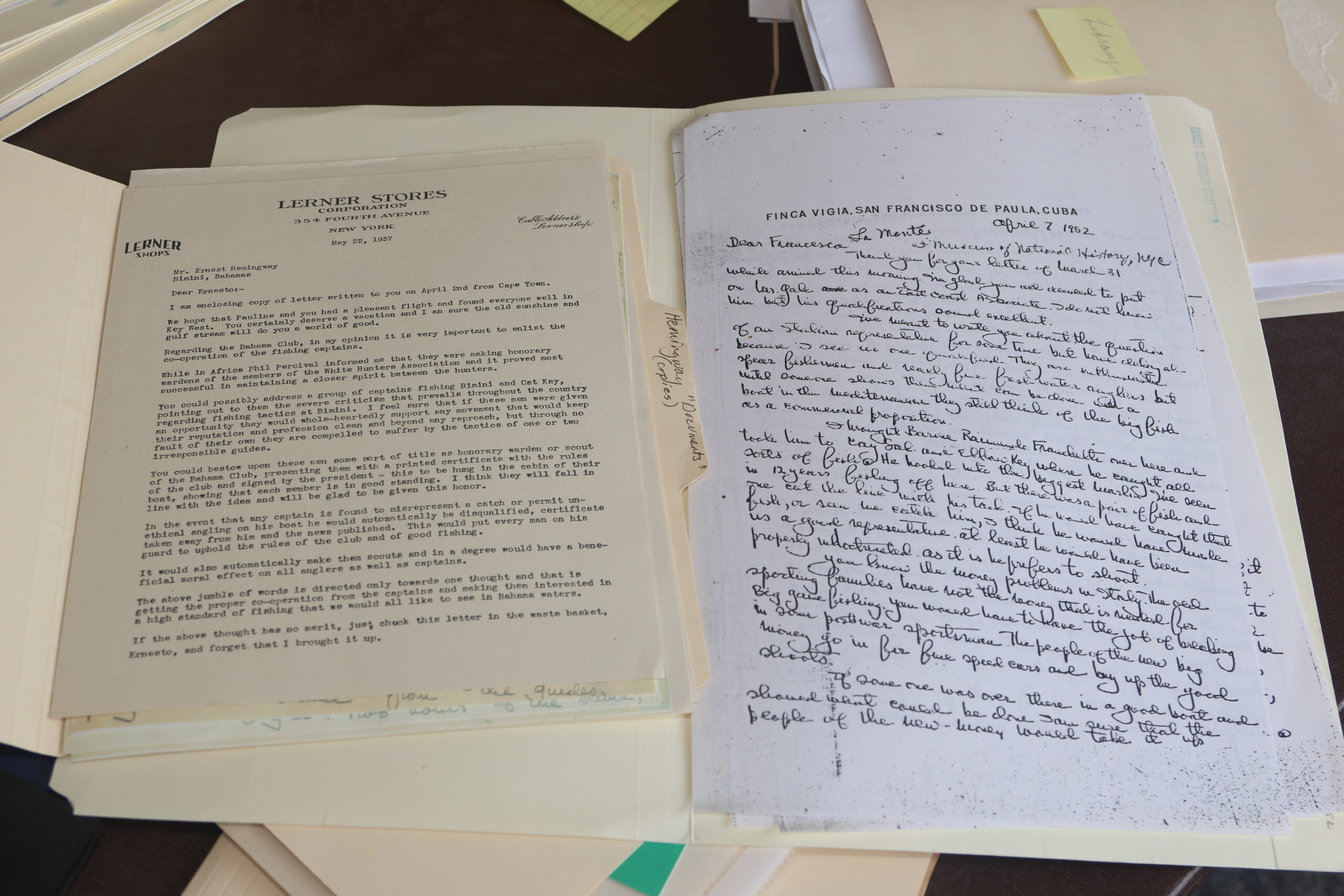
Today, the IGFA has embarked on an ambitious effort to preserve that history and make it accessible in ways that were unimaginable only a few years ago. At first glance, the initiative sounds like a technology project involving scanners, databases, artificial intelligence, and cloud storage. In reality, it is much more than that. It is an effort to preserve the collective memory of sportfishing. It is a project designed to ensure that future generations can understand not only the fish that were caught, but also the people, organizations, scientific discoveries, conservation efforts, and innovations that helped shape the sport. As the vision is fully realized, it will become the world’s most comprehensive digital repository devoted to game fish and sportfishing.
A Treasure Hidden in Plain Sight
Most anglers know the IGFA as the keeper of world records, for international angling rules, game fish conservation, and ethical angling standards. What many do not realize is that the organization has also spent decades assembling and preserving an extraordinary collection of historical material. The library contains thousands of books devoted to game fish, fishing, marine science, conservation, exploration, maritime history, and related subjects.
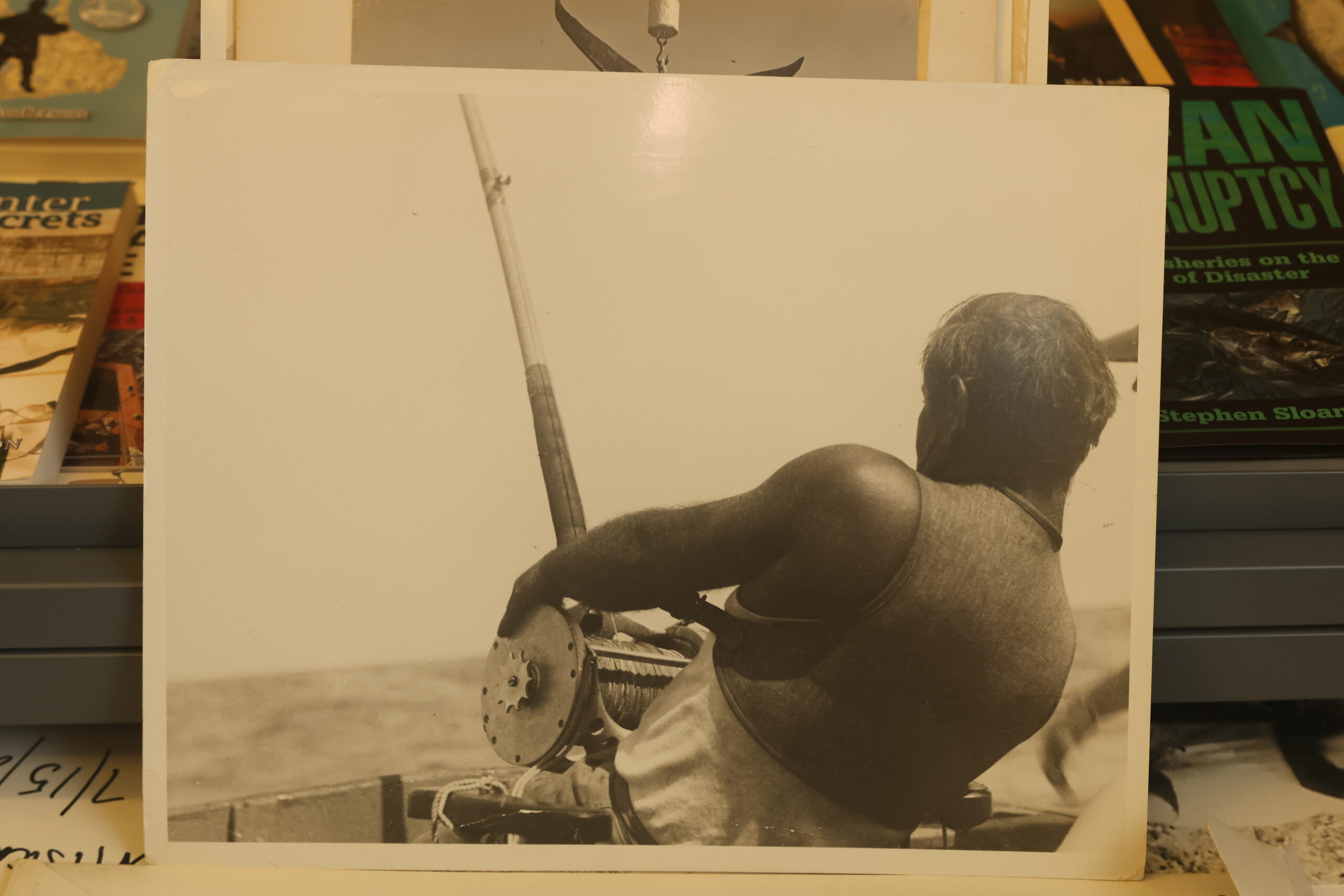
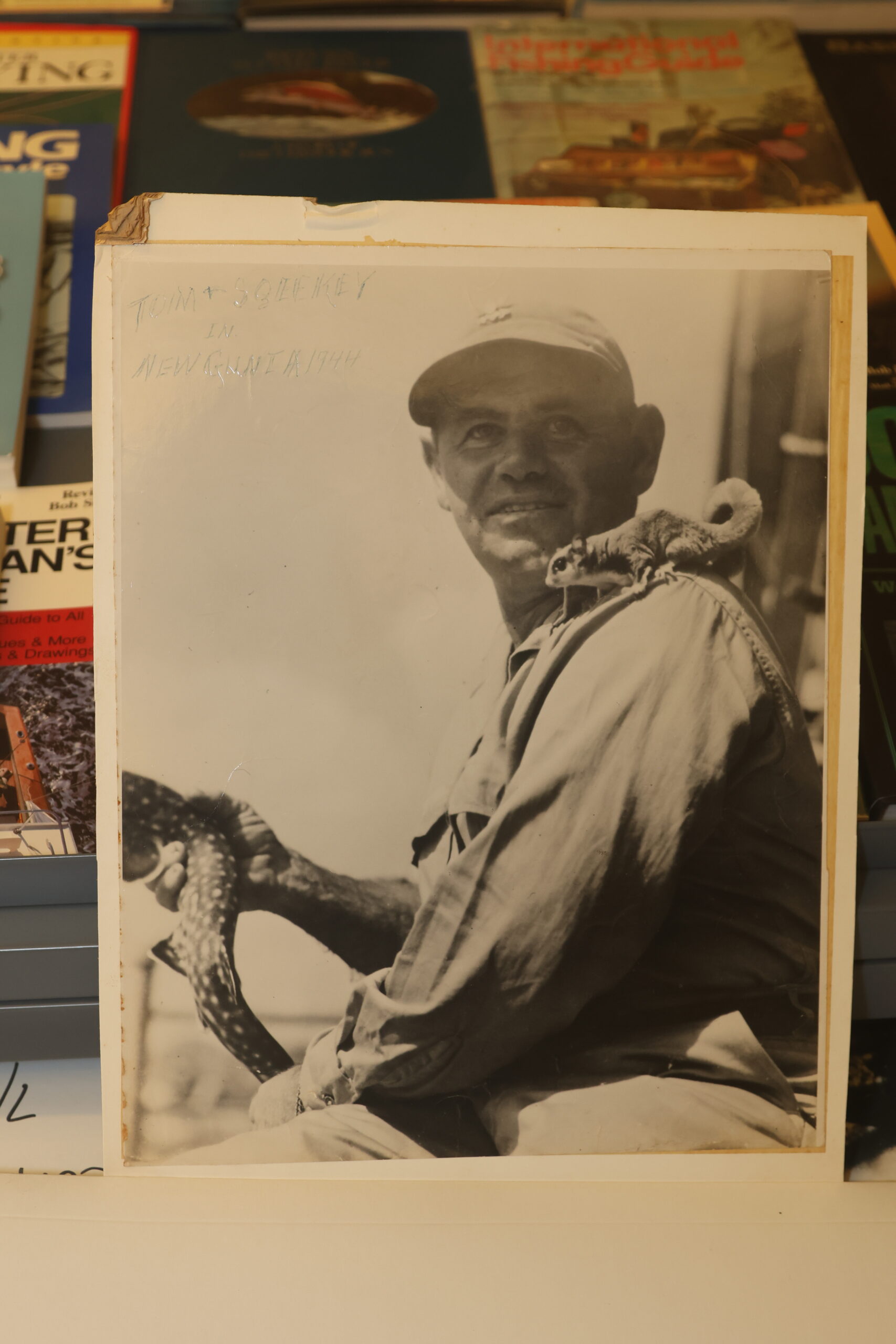
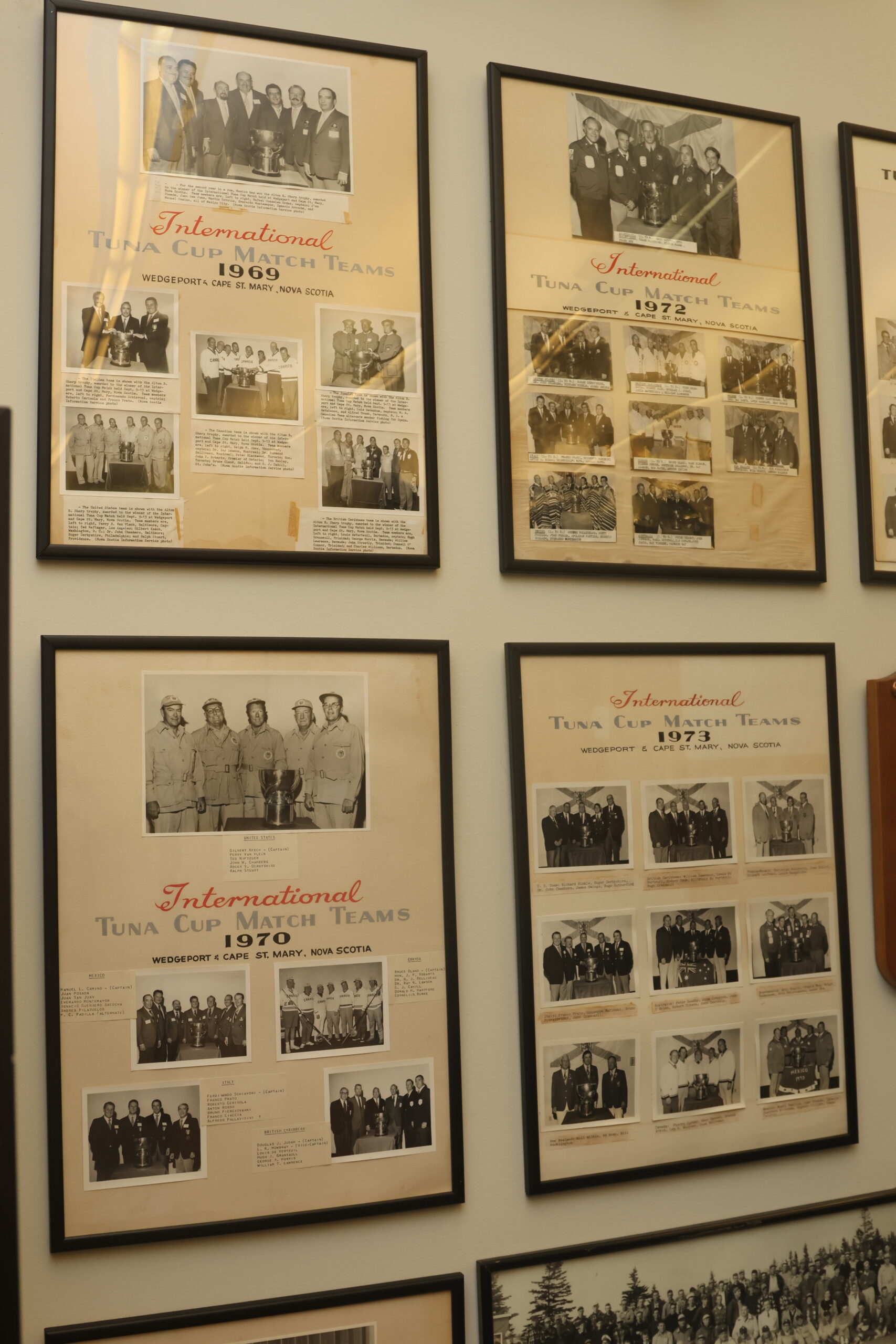
Beyond the books are collections of one-of-a-kind photographs, magazines, films, slides, correspondence, scientific papers, conservation records, IGFA Fishing Hall of Fame files, and historical documents that collectively tell the story of recreational fishing over the last century. The scope of the collection is remarkable. It includes materials documenting famous catches, pioneering expeditions, scientific breakthroughs, conservation milestones, tournament history, tackle development, boat design, and the lives of some of the most influential figures in sportfishing.
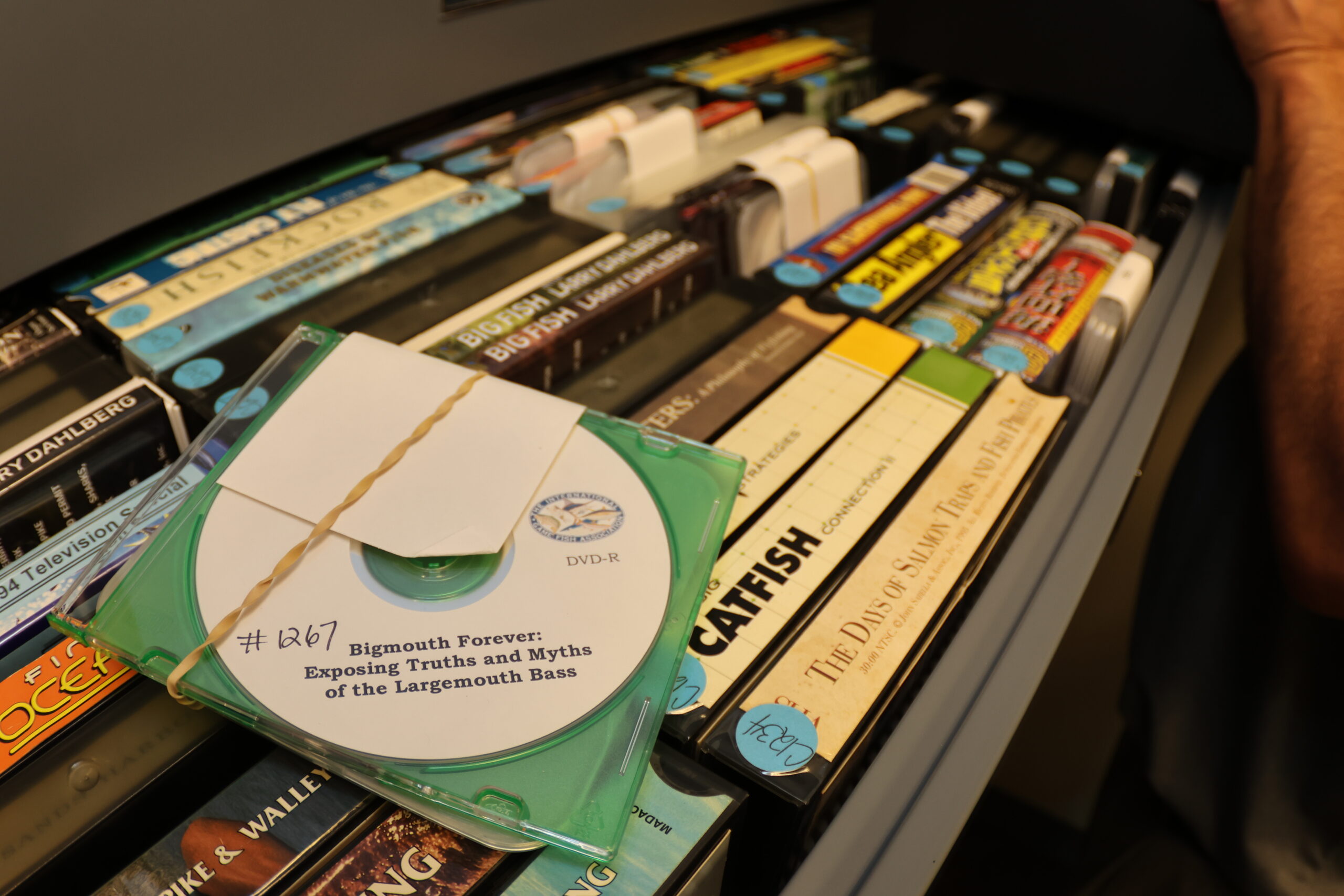
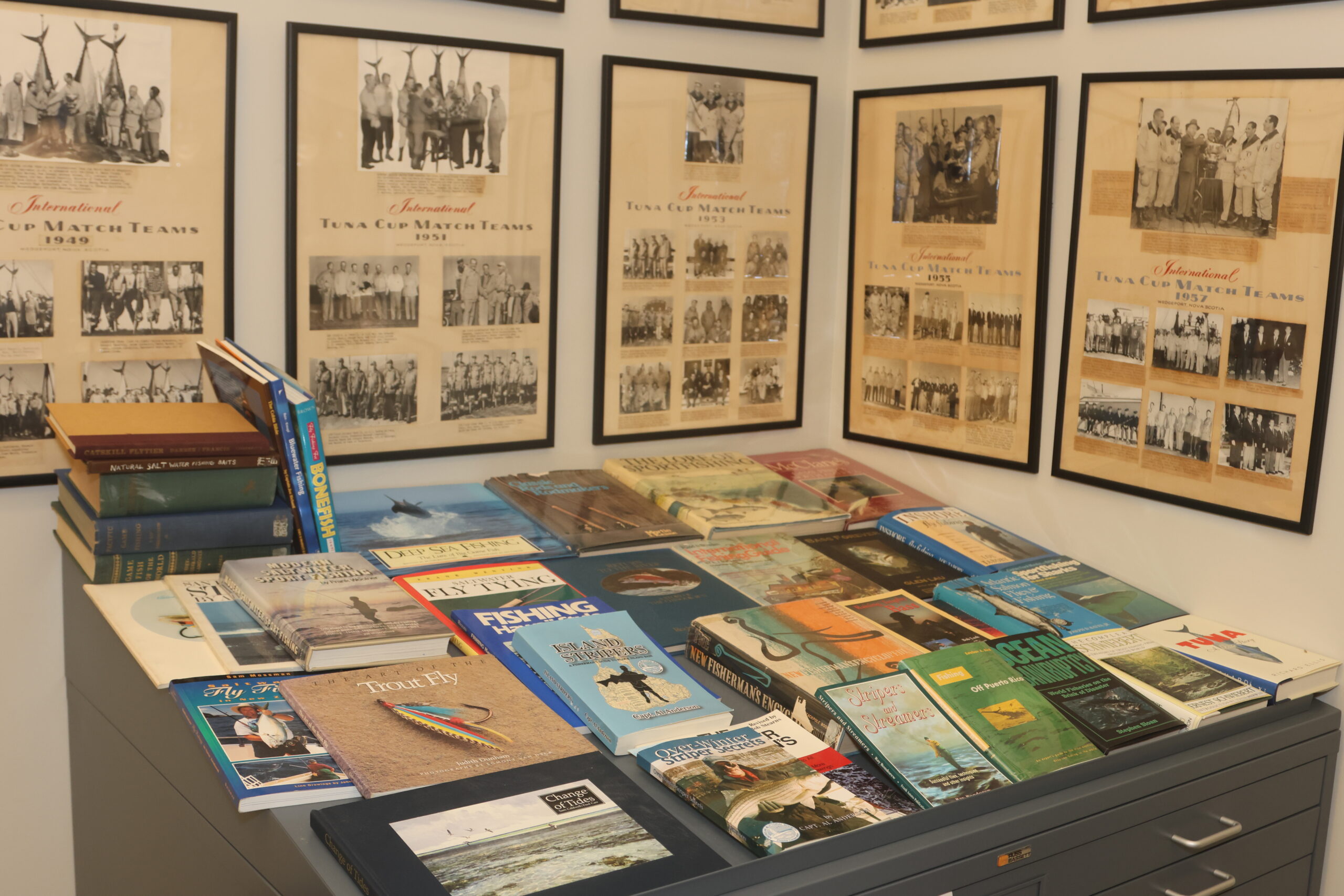
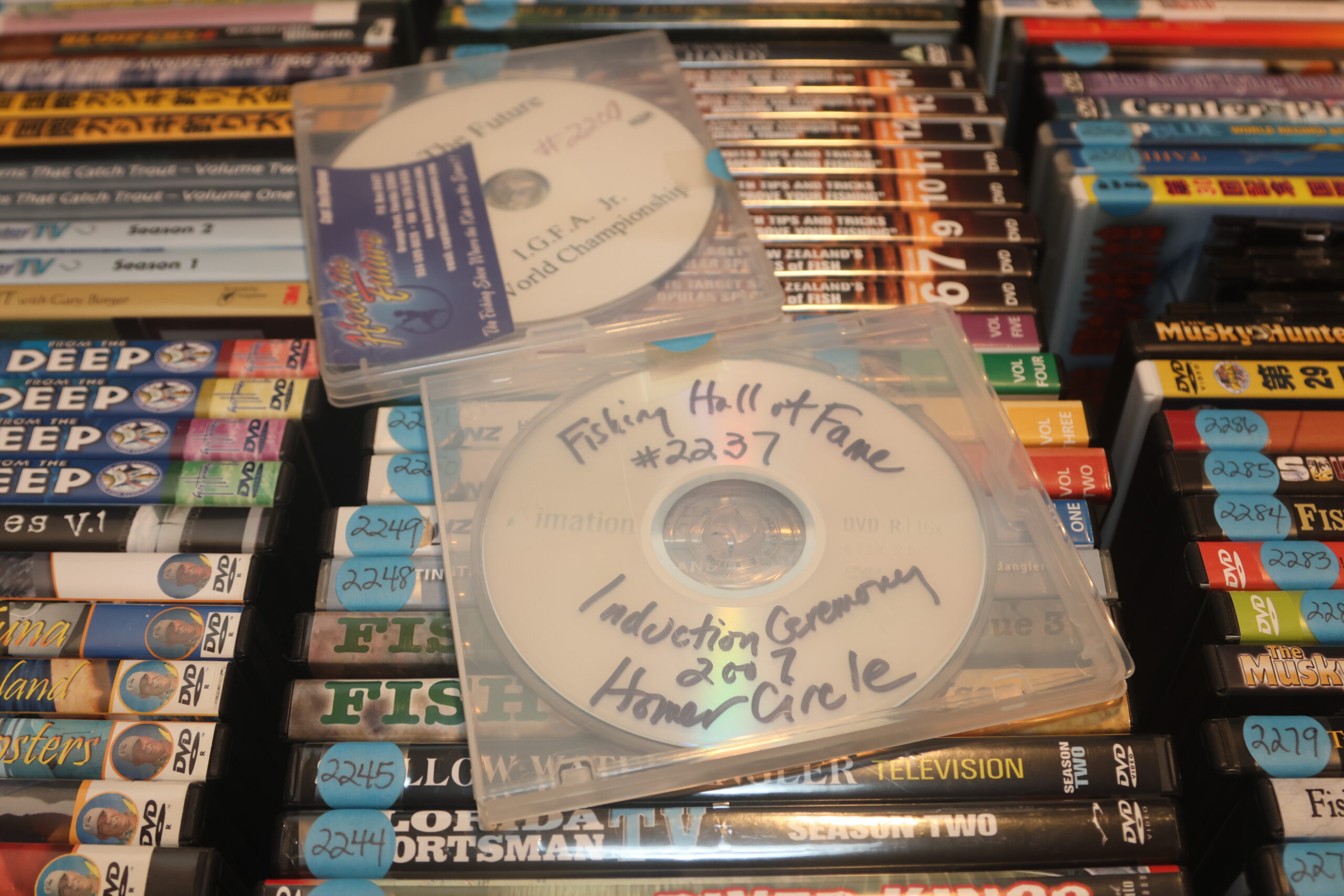
Taken together, these materials tell a story far larger than any individual catch or world record. They tell the story of our sport. They tell the story of the people who built it. And they tell the story of how anglers and scientists increasingly work together to better understand and protect the resource they both cherish.
Gail Morchower’s Legacy
Gail Morchower joined the IGFA in 1991 after answering an advertisement placed by former IGFA President E.K. Harry, who was seeking someone to organize his growing collection of fishing books and historical materials. What began as a library position evolved into a lifelong commitment to preserving the heritage of recreational angling.
Through her dedication, meticulous attention to detail, and deep appreciation for the sport’s history, Gail helped build and safeguard what became the world’s largest library devoted exclusively to angling. Under her stewardship, the collection grew to include thousands of books, films, photographs, archives, and historical records documenting the people, organizations, achievements, and conservation efforts that shaped modern sportfishing.
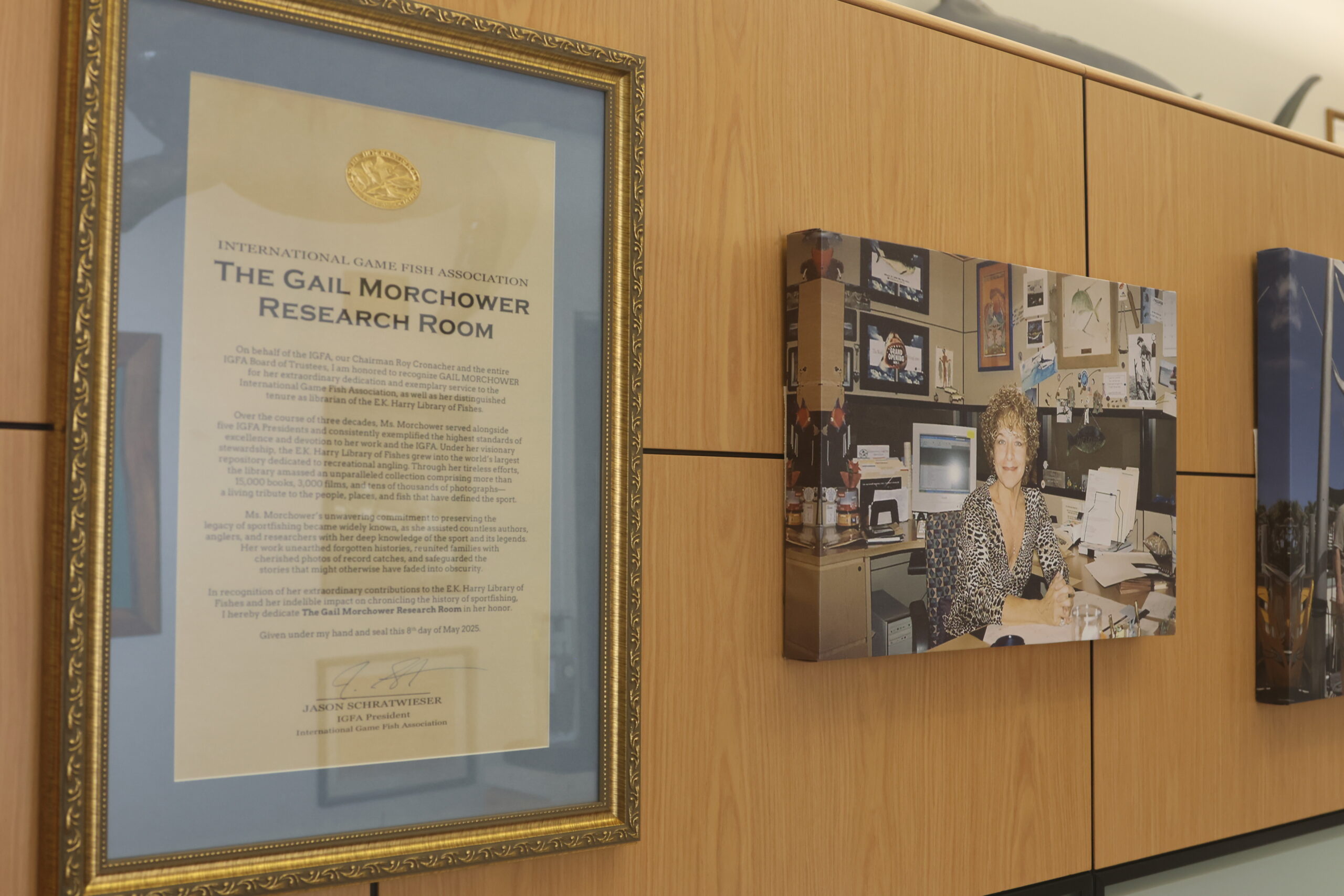
Those who worked with Gail often remarked that she possessed a rare ability to connect people with their past. Researchers, authors, anglers, and families frequently turned to her for assistance, and she delighted in uncovering photographs, records, and stories that might otherwise have remained forgotten. Her work extended beyond the library shelves, as she also curated exhibits for the IGFA Fishing Hall of Fame & Museum before the museum was relocated to Johnny Morris’ Wonders of Wildlife in Springfield, Missouri, bringing the history of the sport to life for thousands of visitors. She also researched and wrote biographies for Hall of Fame inductees and helped produce Hall of Fame videos, ensuring that the stories of the sport’s most influential figures were preserved and shared with future generations.
Today’s digitization initiative represents the next chapter in a mission Gail championed throughout her career: preserving sportfishing’s collective memory and ensuring that future generations can learn from it. As the IGFA undertakes the monumental task of transforming its collections into a global digital resource, it does so upon a foundation that Gail spent a lifetime helping to build. Her legacy remains embedded in every shelf, photograph, document, and story preserved within the E.K. Harry Library. Sadly, Gail passed away in November 2024. Although she did not live to see the full realization of this project, its success will be a reflection of the vision, dedication, and care she brought to preserving the history of recreational fishing. Every collection preserved, every story uncovered, and every researcher who benefits from this work will, in some small way, be building upon the remarkable legacy she leaves behind.
Enter Bryan Benilous
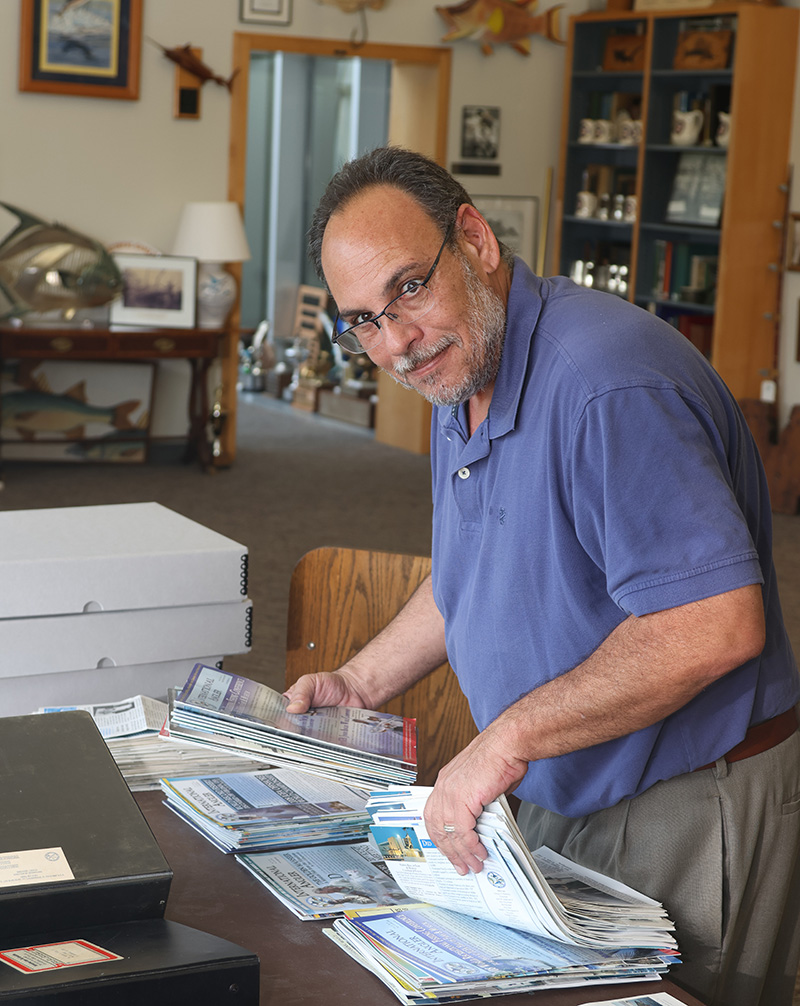
To help guide this ambitious effort, IGFA turned to Bryan Benilous, a specialist in digitization, archival preservation, and large-scale research collections. Benilous brought extensive experience working with libraries, publishers, universities, and research institutions. During his career, he has helped manage projects involving millions of pages of newspapers, books, journals, photographs, and archival records.
Coming to the collection with the perspective of an archivist and researcher, Bryan was uniquely positioned to appreciate both its historical significance and untapped potential. As he began exploring the collection, he found himself discovering an entirely new world. Every shelf seemed to reveal another story. Every box contained another clue. Every photograph appeared to connect to a larger narrative waiting to be explored.
What began as a digitization project quickly became something of a treasure hunt. One discovery led to another. A photograph identified an angler. The angler led to correspondence. The correspondence pointed toward a fishing club. The fishing club suggested another archive somewhere else. The deeper he explored, the clearer it became that the E.K. Harry Library is much more than a library. It is one of the greatest repositories of sportfishing history.
More Than Records
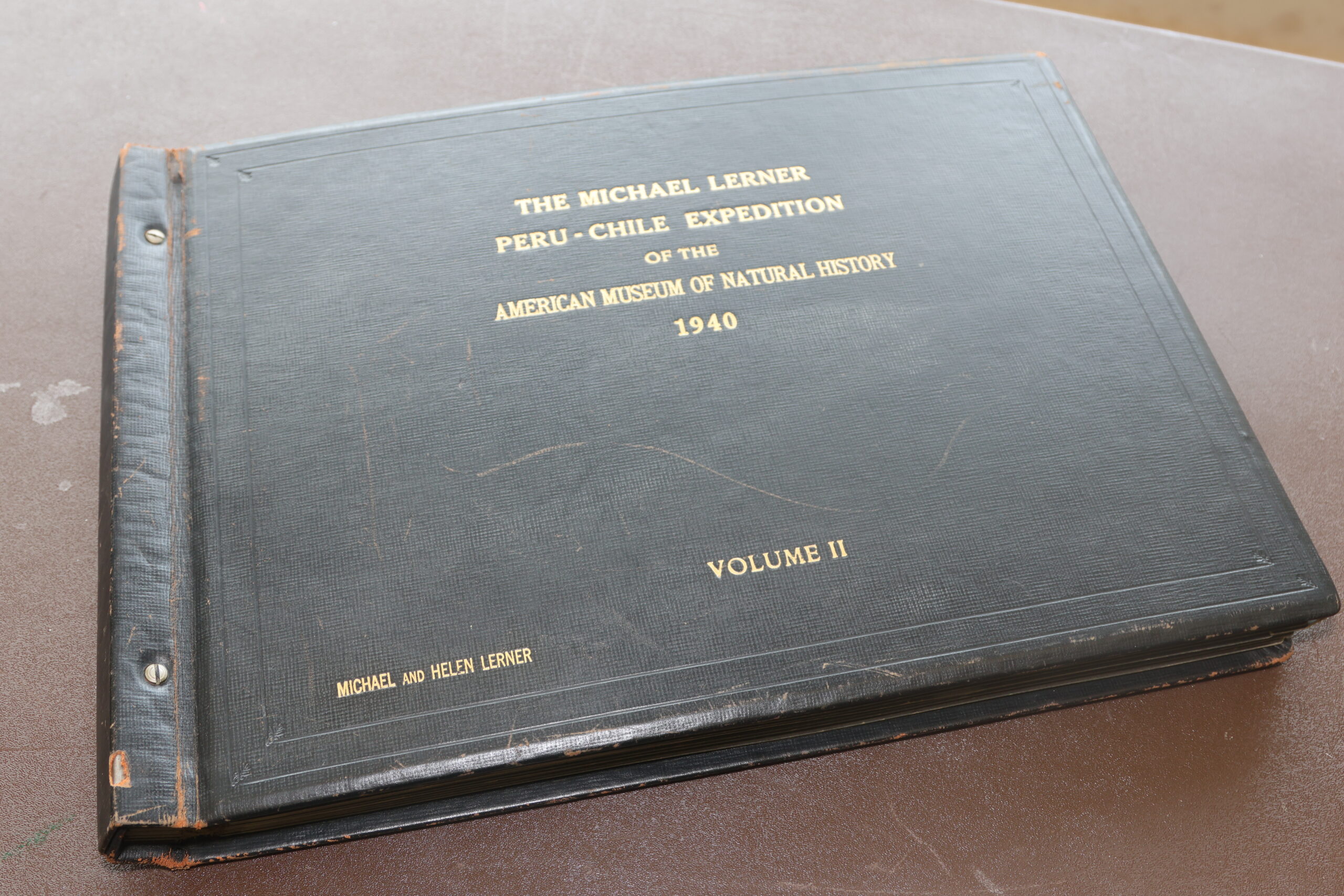
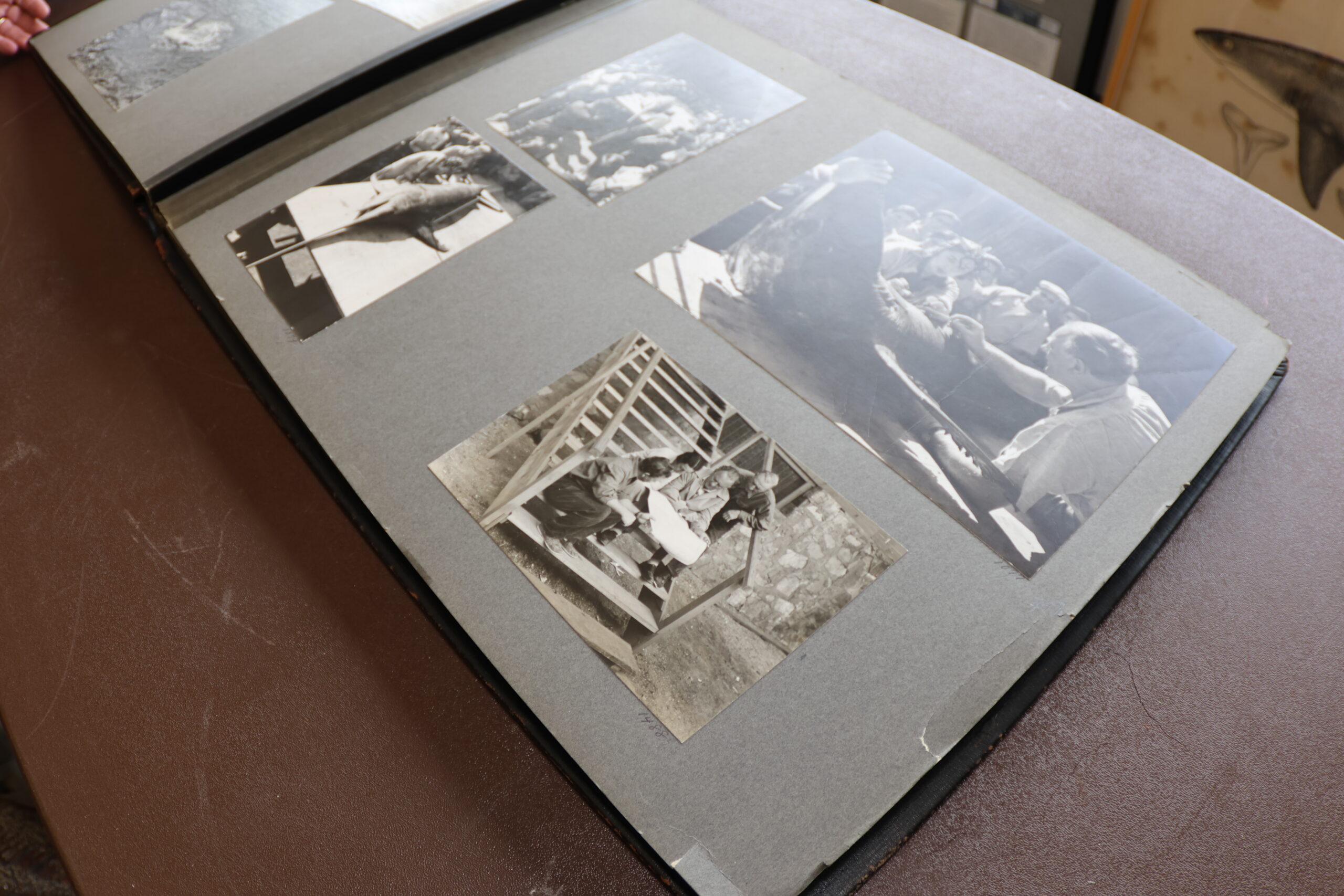
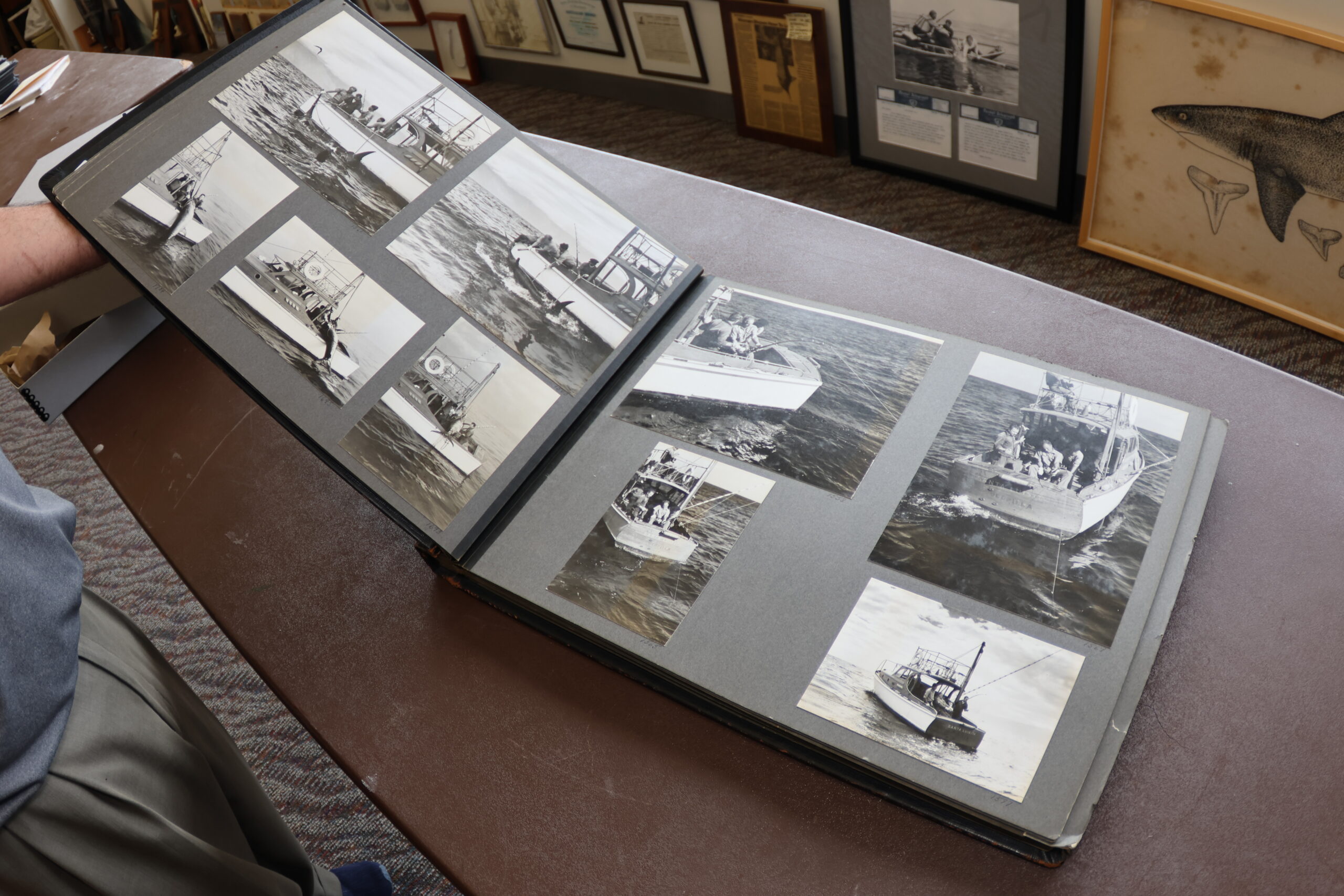
The value of the collection extends far beyond world record applications, as some might understandably assume. Among the most fascinating materials are records related to Michael Lerner, one of the key figures in the formation of the International Game Fish Association. Lerner’s expeditions helped establish important connections between anglers and scientists during a period when many fish species remained poorly understood. The library preserves photographs, scrapbooks, correspondence, and other materials connected to those historic journeys.
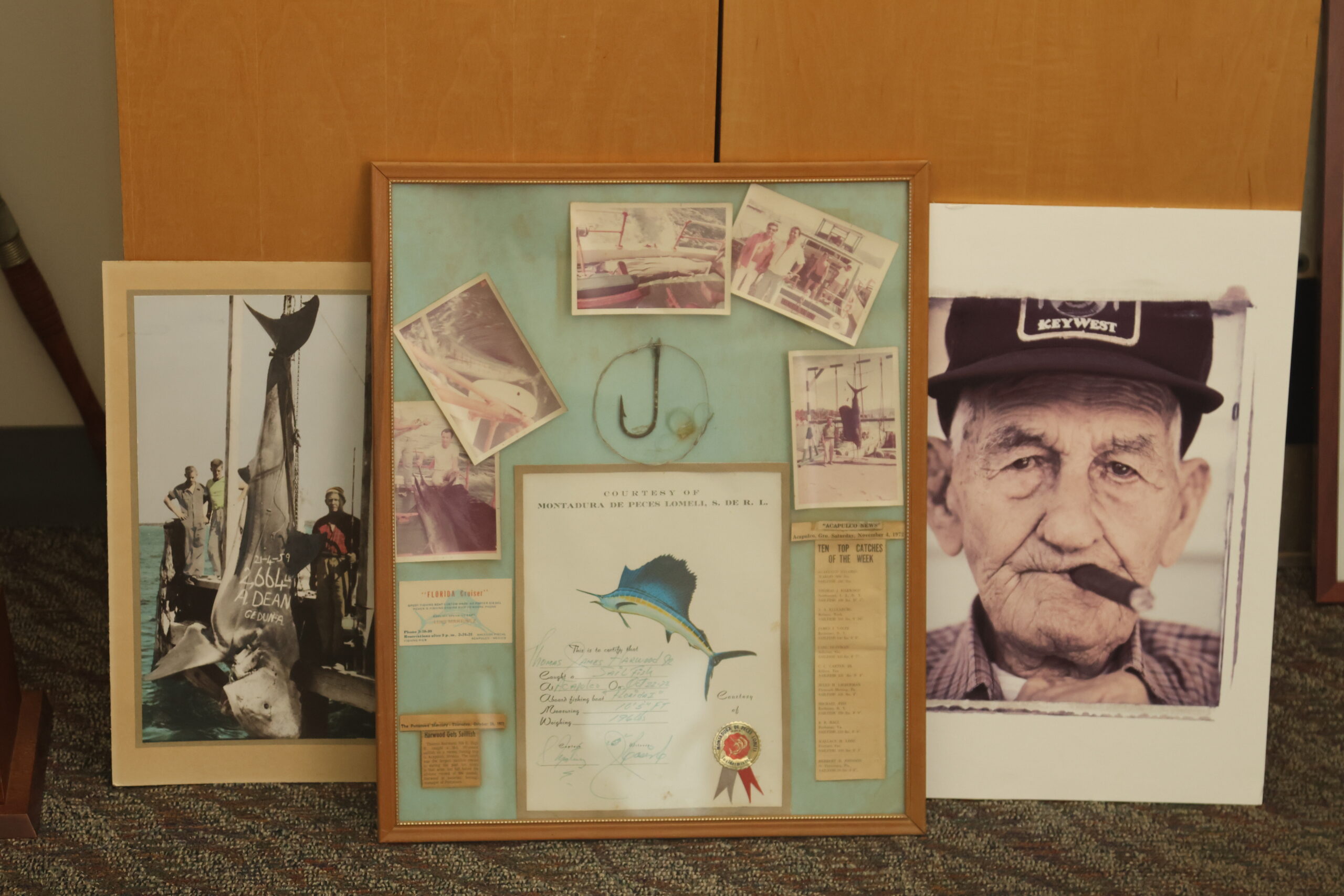
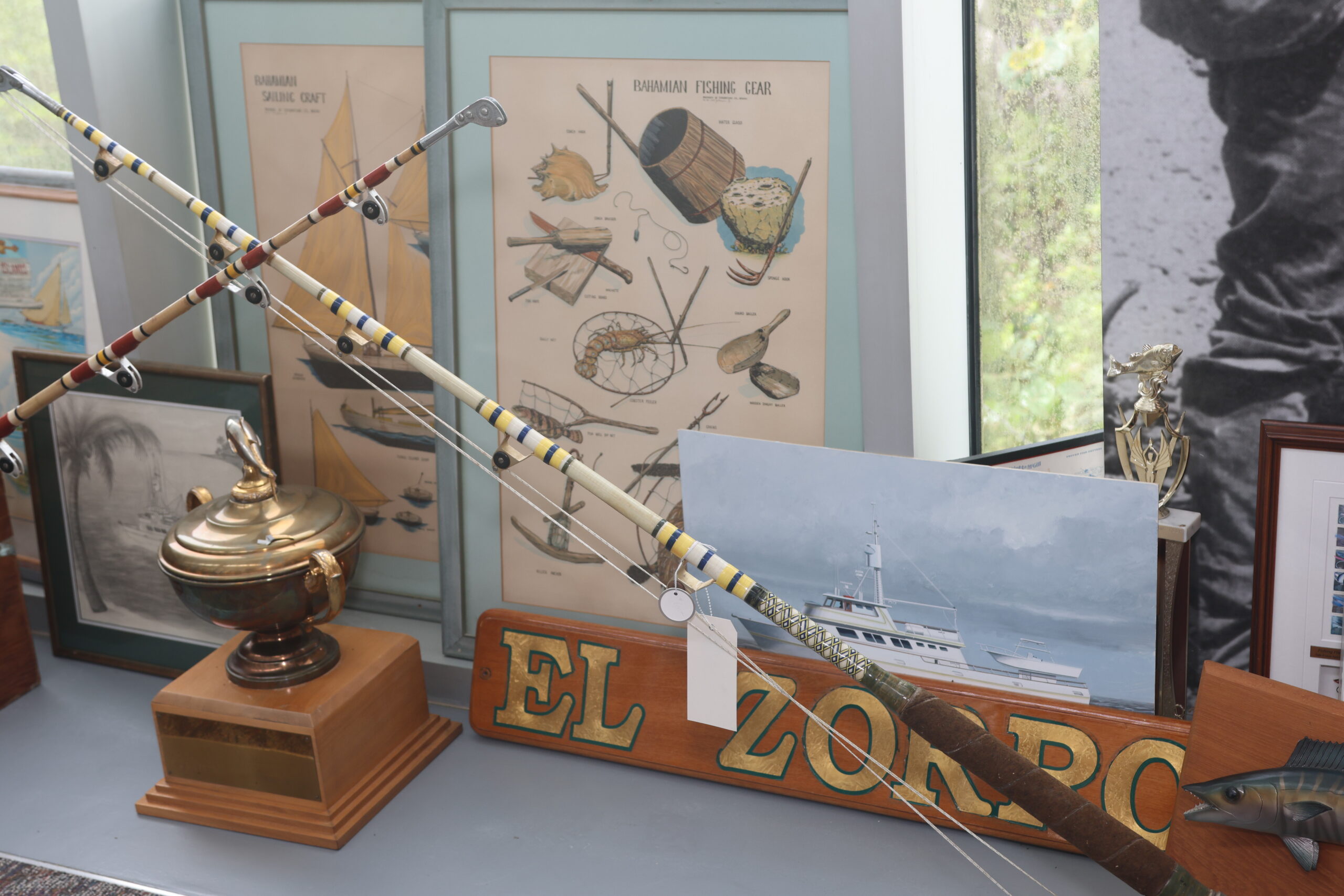
For modern anglers, it can be difficult to appreciate what those expeditions represented. Traveling halfway around the world today may involve a long flight and a few connections. In Lerner’s era, reaching distant destinations often required ships, trains, and weeks of travel. Yet those expeditions helped establish foundations that continue to influence sportfishing and conservation today.
The same pattern repeats itself throughout the collection. The IGFA Fishing Hall of Fame records document the accomplishments of anglers, captains, conservationists, scientists, and innovators whose contributions helped shape the sport. Tournament archives capture important moments in recreational fishing history. Scientific publications reveal how our understanding of game fish has evolved. Magazine collections preserve stories that might otherwise disappear. Each item contributes another piece to a much larger picture.
A Race Against Time
History is surprisingly fragile. Paper deteriorates. Film fades. Magnetic media becomes obsolete. Photographs disappear. Organizations close. People pass away. And when they do, valuable records often disappear with them.
Anyone who has attempted to research the history of a fishing club, marina, or tournament understands the challenge. Where are the photographs? Who has the newsletters? What happened to the correspondence? Did the records end up in a museum, a university archive, a historical society, or somebody's garage? The answer is often unknown.
That reality is one of the driving forces behind the digitization initiative. The goal is not merely to preserve the materials already housed within IGFA. The goal is to identify and preserve as much sportfishing history as possible before pieces of it are lost forever. That mission extends well beyond the walls of the library.
Building a Global Network
One of the most exciting aspects of the project is its collaborative nature. IGFA recognizes that no single organization possesses all the pieces. Important records exist in universities, museums, historical societies, fishing clubs, conservation organizations, and private collections throughout the world. As a result, the project has already begun building relationships with institutions such as the University of South Florida, Florida International University, the Gold Coast Archives and Southeast Florida Library Information Network (SEFLIN), and other organizations with interests in marine science, environmental studies, history, and archival preservation. Discussions are also underway with groups such as the Biodiversity Heritage Library and various historical and research organizations.
These partnerships have the potential to dramatically expand both the scope and value of the archive. A university may possess the papers of a noted captain. A historical society may hold photographs from a fishing club that no longer exists. A museum may contain documents related to the earliest years of IGFA. Digitally connected, those materials become part of a much larger story.
The vision is not simply to create a digital copy of the E.K. Harry Library. The vision is to create a comprehensive research resource devoted to the history, science, conservation, and culture of sportfishing.
The Contractors Behind the Curtain
The scale of the project requires expertise far beyond what any single individual could provide. Specialized contractors play a critical role in the effort. These companies possess equipment capable of digitizing virtually every type of material imaginable. Oversized maps. Rare books. Photographs. Slides. Film. Audio recordings. Obsolete video formats. Historical documents.
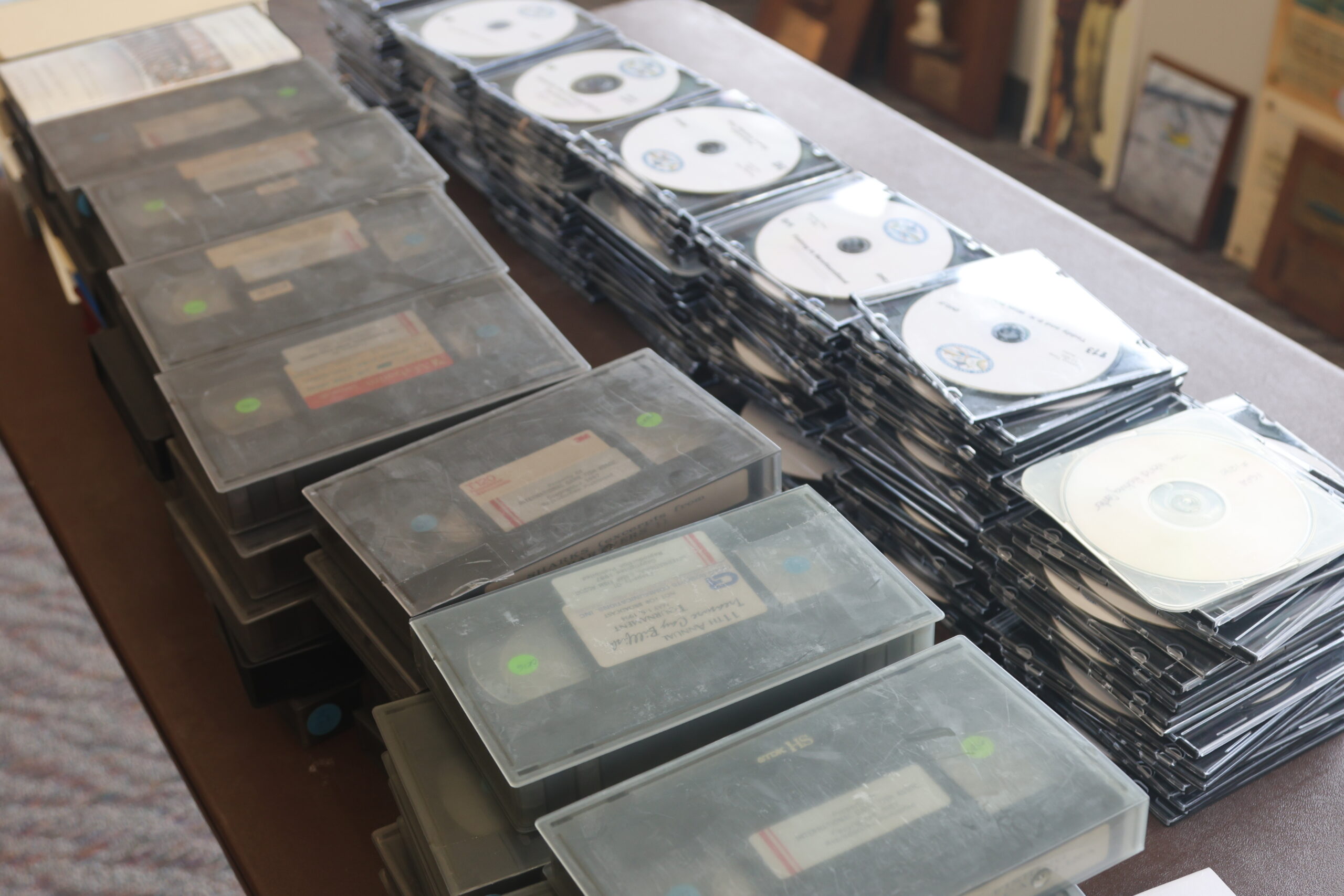
Some materials can be scanned quickly; others require extraordinary care. Certain rare books must be handled on specialized platforms designed to protect fragile bindings and pages. Other materials require equipment capable of reading formats that disappeared decades ago. Without these specialists, much of the collection would remain inaccessible. Together, the contractors, consultants, librarians, researchers, and volunteers form a team dedicated to preserving the collection for future generations.
The Book Problem
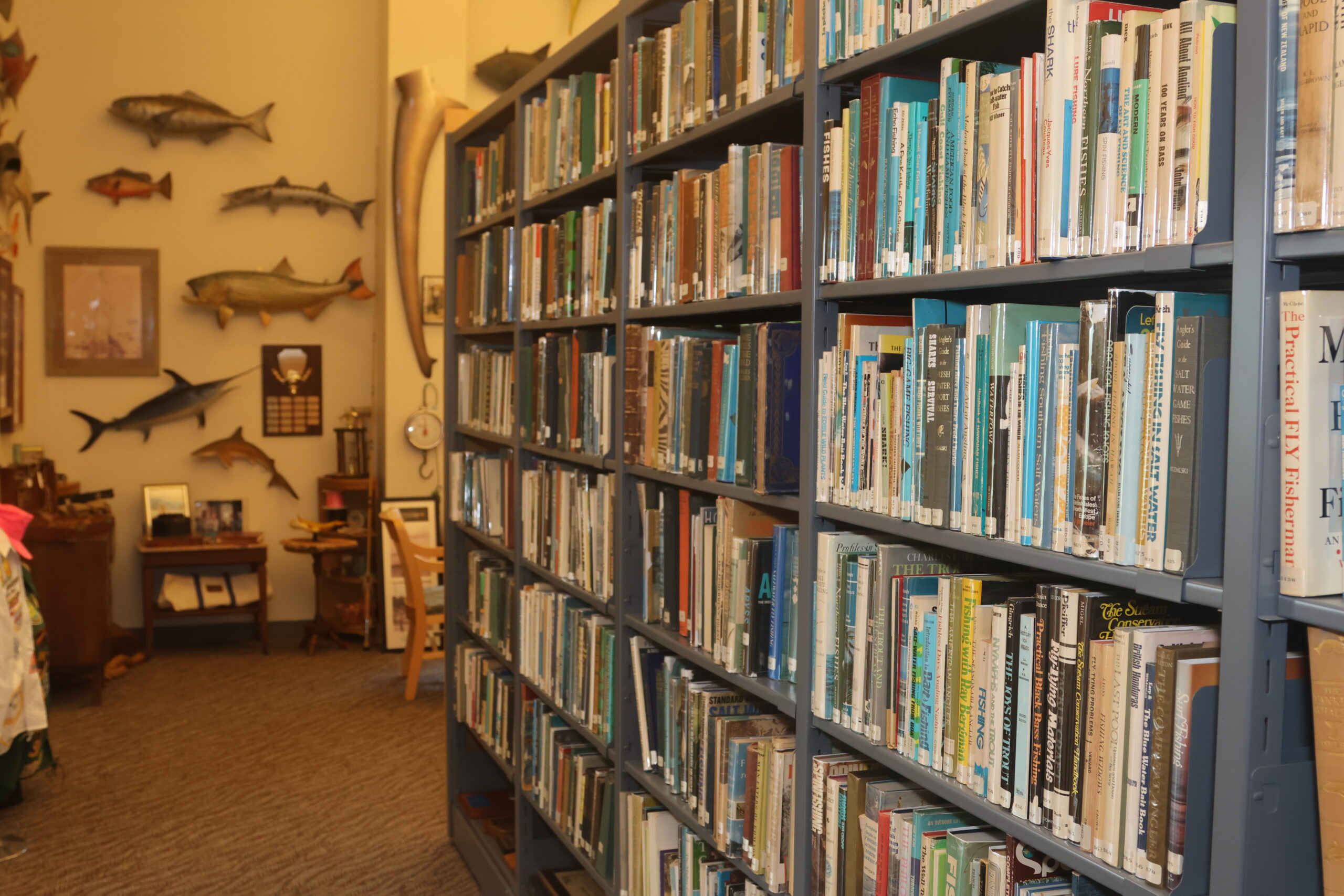 Among the most valuable resources in the library are its thousands of books.
Naturally, one of the first questions people ask is whether those books will eventually be available online. The answer is both yes and no. The challenge is not technology.
The challenge is copyrights. Many people assume that owning a book means it can be scanned and distributed electronically. In reality, ownership of a physical book and ownership of the intellectual property are two very different things. The library may own the book itself, but the rights often remain with the author or publisher. As a result, some books may eventually be made available digitally through agreements with rights holders. Others may remain available only through catalog records or on-site research.
Even when a book cannot be distributed electronically, however, it can still be cataloged and connected to the larger collection. Researchers can learn that it exists, where it is located, and how it relates to other materials. That information alone can be enormously valuable. The issue also presents opportunities. Independent authors and publishers who control their own copyrights may choose to participate.
As the publisher of the Bimini Twist Library collection, I have already agreed to make those books available to the archive. Because I own the copyrights, the decision was straightforward. Preserving that information and making it available to future researchers seemed like a natural fit. Many other authors may reach similar conclusions. Others may choose different paths.
The important point is that the project recognizes and respects intellectual property while still seeking ways to preserve knowledge and improve access.
Technology as a Tool
Artificial intelligence (AI) has generated tremendous interest throughout the project.
Yet the technology is viewed primarily as a tool rather than an end in itself. AI can help identify photographs, recognize fish species, generate descriptions, improve search capabilities, and connect related materials throughout the collection.
A world record application might be linked to photographs. Those photographs might connect to magazine articles. The articles could lead to books, videos, interviews, or scientific publications. The result is a research environment that becomes richer and more valuable as information is added.
The International Potential
Because IGFA serves anglers around the globe, the archive is being designed with a worldwide audience in mind. Embedded translation tools could eventually allow users to search and navigate the collection in their own language. A student in Spain. A researcher in Japan. An angler in Brazil. A conservationist in South Africa. All could potentially access the same information without needing to speak English.
That capability would transform the archive from a library resource into a truly global research platform. The history of sportfishing belongs to anglers everywhere. The archive aims to reflect that reality.
Connecting the World of Sportfishing
Perhaps the most powerful aspect of the project is its ability to connect information.
Today, a world record application may reside in one place, while photographs may exist somewhere else. An article may be buried within a magazine archive. A video may sit in another collection entirely. Tomorrow, all of those pieces may be connected.
Researchers will be able to move from one source to another and discover relationships that would otherwise remain hidden. Students will gain access to resources that previously required months of research. Authors will uncover stories waiting to be told. Scientists may identify patterns hidden within decades of historical records. The archive will become more than a repository. It will become a tool for discovery.
Preserving the Memory of a Sport
Anglers understand conservation. For decades, organizations such as IGFA have worked to ensure that future generations can enjoy healthy fisheries and abundant resources. The digitization initiative reflects a similar philosophy. This time, however, the resource being protected is history itself. Once photographs disappear, they are gone forever. Once correspondence is discarded, it cannot be replaced. Once memories fade, they often vanish with them.
The same principle that drives conservation applies equally to history: preserve what is valuable before it is lost. Through this ambitious initiative, IGFA is taking a leadership role in ensuring that the stories, records, achievements, discoveries, and personalities that shaped sportfishing are preserved for future generations.
The result may become far more than a digital archive. It may become the world’s definitive repository for the history of sportfishing - a place where anglers, scientists, conservationists, students, historians, and researchers from every corner of the globe can discover, explore, and learn from the people and events that built the sport we enjoy today.
Long after today’s records have been broken and today’s tournaments have been forgotten, those stories will remain. And thanks to the vision of IGFA and the many individuals and organizations contributing to this effort, they will remain accessible to anyone who wishes to discover them.
A Request to the Sport Fishing Community
Every angler has a story. Every captain has memories. Every tournament, marina, fishing club, and family has photographs, logbooks, letters, and keepsakes tucked away in drawers, closets, attics, and garages.
The IGFA’s digitization project is an ambitious effort to preserve those stories before they are lost. The goal is nothing less than creating the world's most comprehensive digital repository of sportfishing history. This resource will be available to anglers, researchers, writers, conservationists, and future generations around the globe.
As IGFA Chief Operating Officer Jill Tapia explains,
“We are undertaking a massive digital transformation of the E.K. Harry Library of Fishes with the goal of bringing the library back to the forefront of the IGFA and establishing it as the global, digital repository for sportfishing history—a modern testament to E.K.'s lifework and vision.”
But no library can tell the complete story without the help of the people who lived it.
If you have historically significant photographs, documents, films, correspondence, tournament records, club histories, memorabilia, or other materials related to sportfishing, please consider sharing them with the IGFA Library. What may seem like an old photograph or forgotten scrapbook to one family could become an invaluable piece of sportfishing history.
The project also requires substantial financial resources. Millions of pages and images must be preserved, cataloged, scanned, and made accessible to the public. Contributions from individuals, clubs, foundations, corporations, and others who care about the future of our sport can help ensure that this important work continues.
The pioneers of sportfishing built a remarkable legacy. Today, we have an opportunity—and perhaps a responsibility—to preserve it.
If you would like to contribute historical materials or support the digitization effort financially, please contact the IGFA through [email protected] or make a secure donation below. Together, we can help ensure that the stories, achievements, innovations, and conservation milestones that shaped our sport are never forgotten.