Temensis Tagging Project
Six Years & 3,000 Tagged Fish - New Discoveries About the World's Largest Peacock Bass
By: IGFA Representative Rodrigo Salles and Rafael Marques
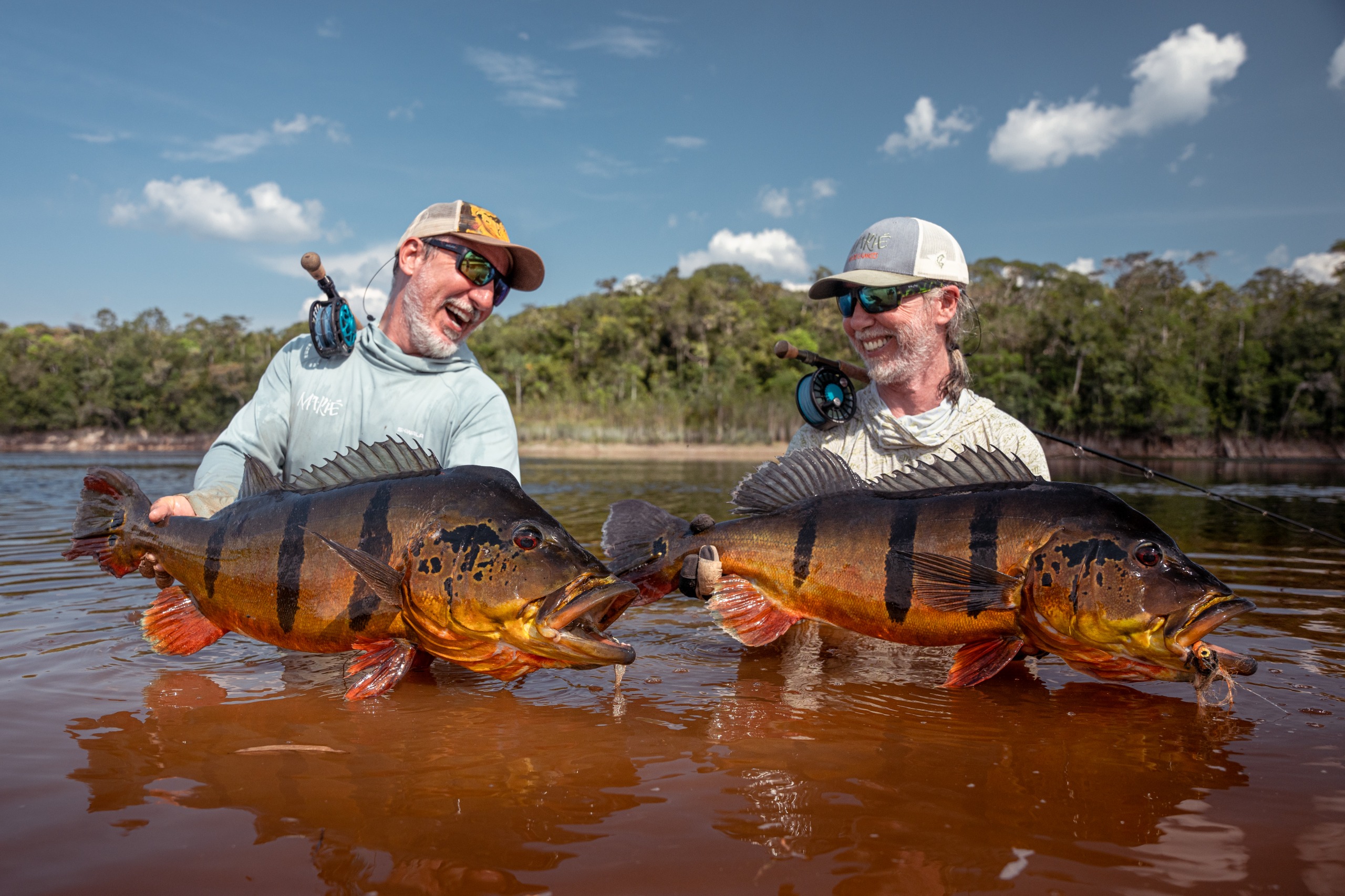
Few freshwater game fish command the respect and admiration of anglers quite like the speckled peacock bass, Cichla temensis. Found primarily within the blackwater systems of the Rio Negro Basin in the Brazilian Amazon, this remarkable predator represents the pinnacle of tropical sportfishing. Its explosive strikes, immense power, vibrant coloration, and ability to exceed 20 pounds have earned it legendary status among anglers worldwide.
Yet despite its reputation, surprisingly little long-term scientific information exists regarding the life history of giant wild Cichla temensis. Questions about age, growth, territoriality, movement patterns, and survival after release have largely been answered through anecdotal observations rather than long-term data.
In 2019, that began to change.
What started as an ambitious conservation initiative on Brazil’s Rio Marié evolved into the largest and longest-running mark-and-recapture study ever conducted on Cichla temensis. Known today as the Temensis Tagging Project, the program has already tagged more than 3,000 fish and generated a growing body of information that is helping anglers, fisheries managers, scientists, and conservationists better understand one of the world's greatest freshwater sportfish.
More importantly, it demonstrates how recreational fishing can play a direct role in conservation, Indigenous stewardship, and scientific discovery.
An Intelligent Freshwater Predator
Cichla temensis occupies a unique position among freshwater game fish. Endemic to the Negro River drainage and neighboring blackwater systems of the Amazon Basin, it is the largest species within the peacock bass genus and arguably one of the most remarkable freshwater predators on the planet.
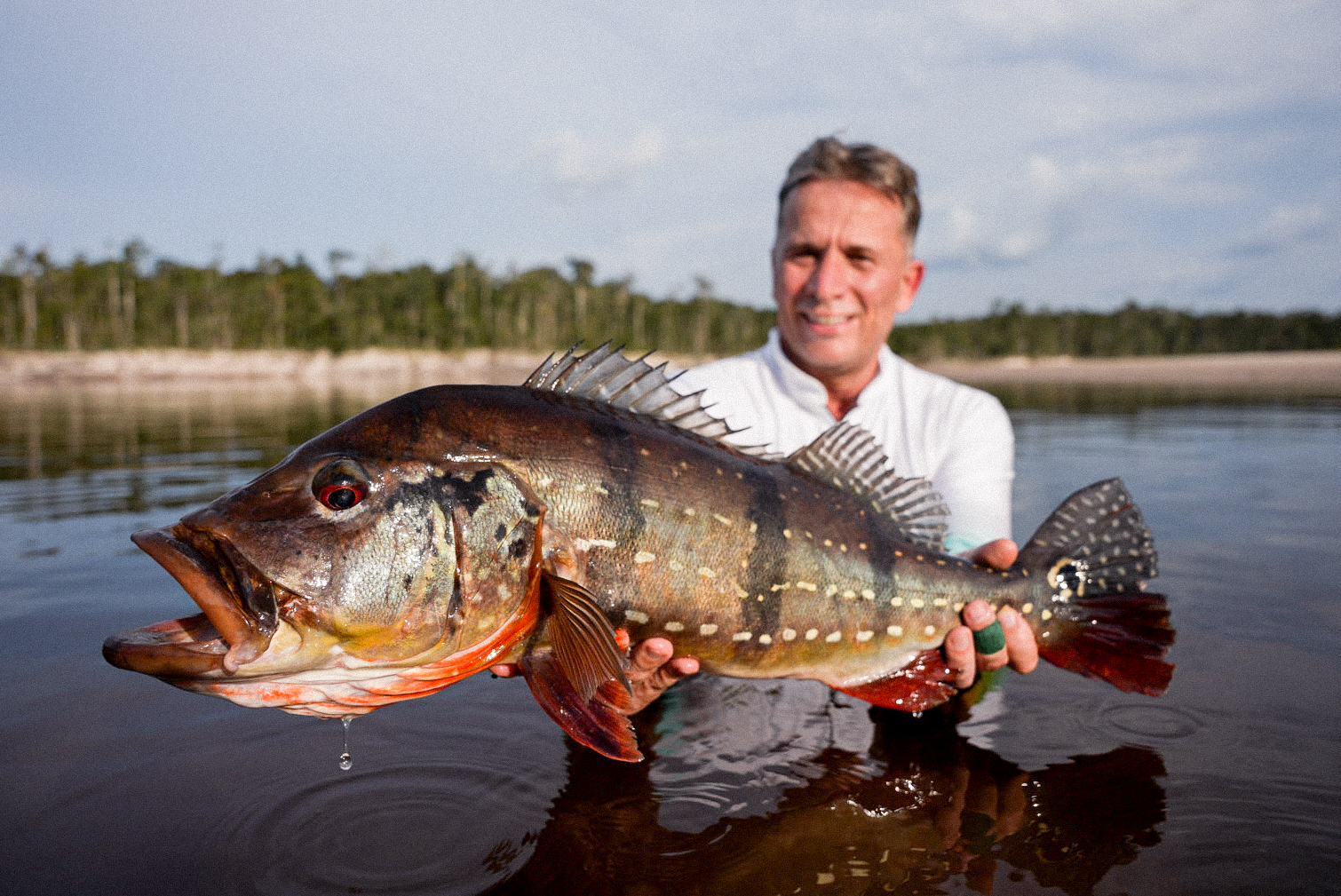
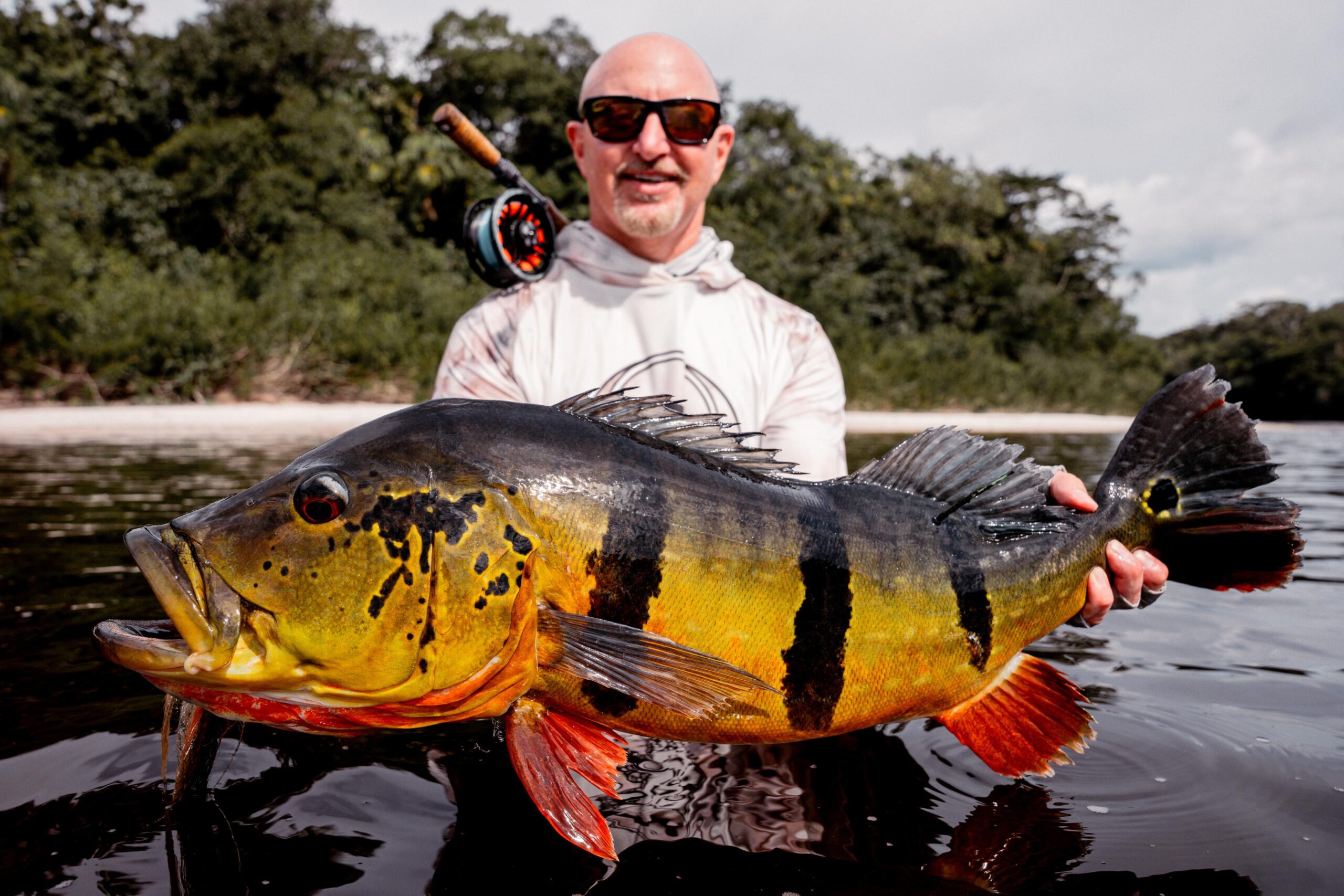
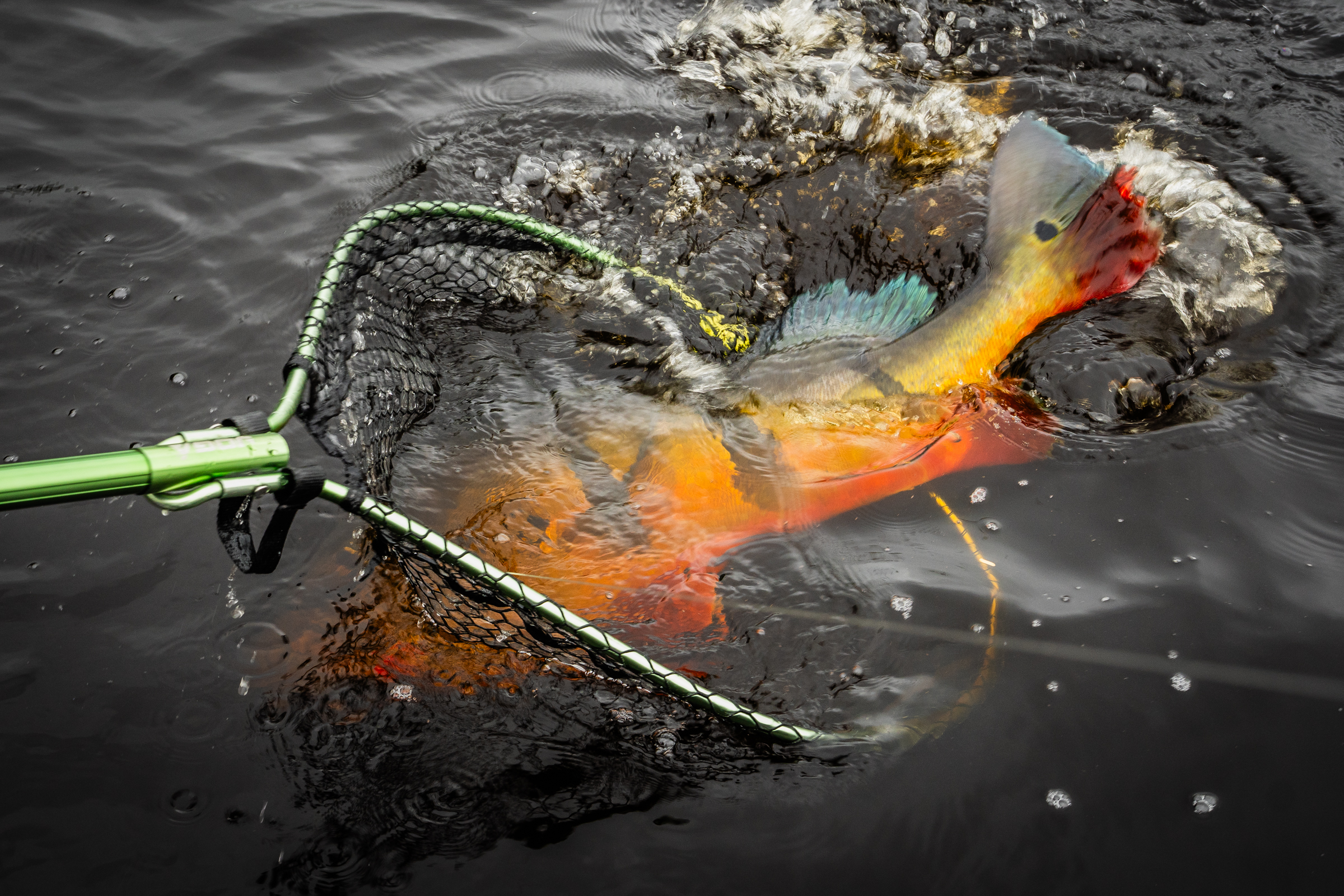
The species is renowned for its two distinctive color phases. During much of the year, fish display the familiar barred pattern recognized by anglers worldwide. During reproductive periods, however, they transform into the spectacular “açu” phase, exhibiting brilliant gold, orange, and yellow coloration highlighted by bold black markings.
Beyond its size and beauty, what truly distinguishes Cichla temensis is its intelligence.
As members of the family Cichlidae, peacock bass belong to one of the most behaviorally advanced groups of freshwater fishes. Cichlids are widely recognized for their complex social interactions, territorial behavior, parental care, communication, and learning ability. Among them, Cichla temensis represents the apex expression of these traits.
After decades of guiding anglers and observing thousands of fish in their natural environment, we believe the giant peacock bass may be the most intelligent freshwater sportfish in the world. Their behavior routinely supports this hypothesis. Large individuals often demonstrate remarkable caution after negative encounters, modify feeding behavior in response to changing environmental conditions, select highly strategic ambush locations, and display an extraordinary ability to exploit seasonal opportunities within the river system.
Their reproductive behavior is even more impressive. Mature pairs cooperate in nest construction, defend territories aggressively, guard eggs and fry for extended periods, and appear capable of maintaining pair bonds through multiple stages of the reproductive cycle. These behaviors require levels of coordination and environmental awareness rarely observed among freshwater predators.
As apex predators, they play a critical ecological role within Amazonian ecosystems. Adults feed aggressively on smaller fish and other prey species, while mature breeding pairs invest heavily in parental care, protecting future generations with exceptional dedication.
For decades, local guides and anglers have described Cichla temensis as highly territorial. Conventional wisdom suggested that adult fish spend most of their lives within relatively small home ranges, often occupying the same lakes and lagoons year after year.
The Temensis Tagging Project was designed, in part, to test those assumptions—and the results are revealing a species that is every bit as complex and fascinating as anglers have long suspected.
The Rio Marié: A Living Laboratory
The Rio Marié flows through an immense Indigenous territory in the Upper Rio Negro region of northwestern Brazil. Protected by its remoteness and managed through a unique partnership between Indigenous communities, government agencies, and a conservation-minded sportfishing operator, the watershed represents one of the most intact peacock bass ecosystems remaining in the Amazon.
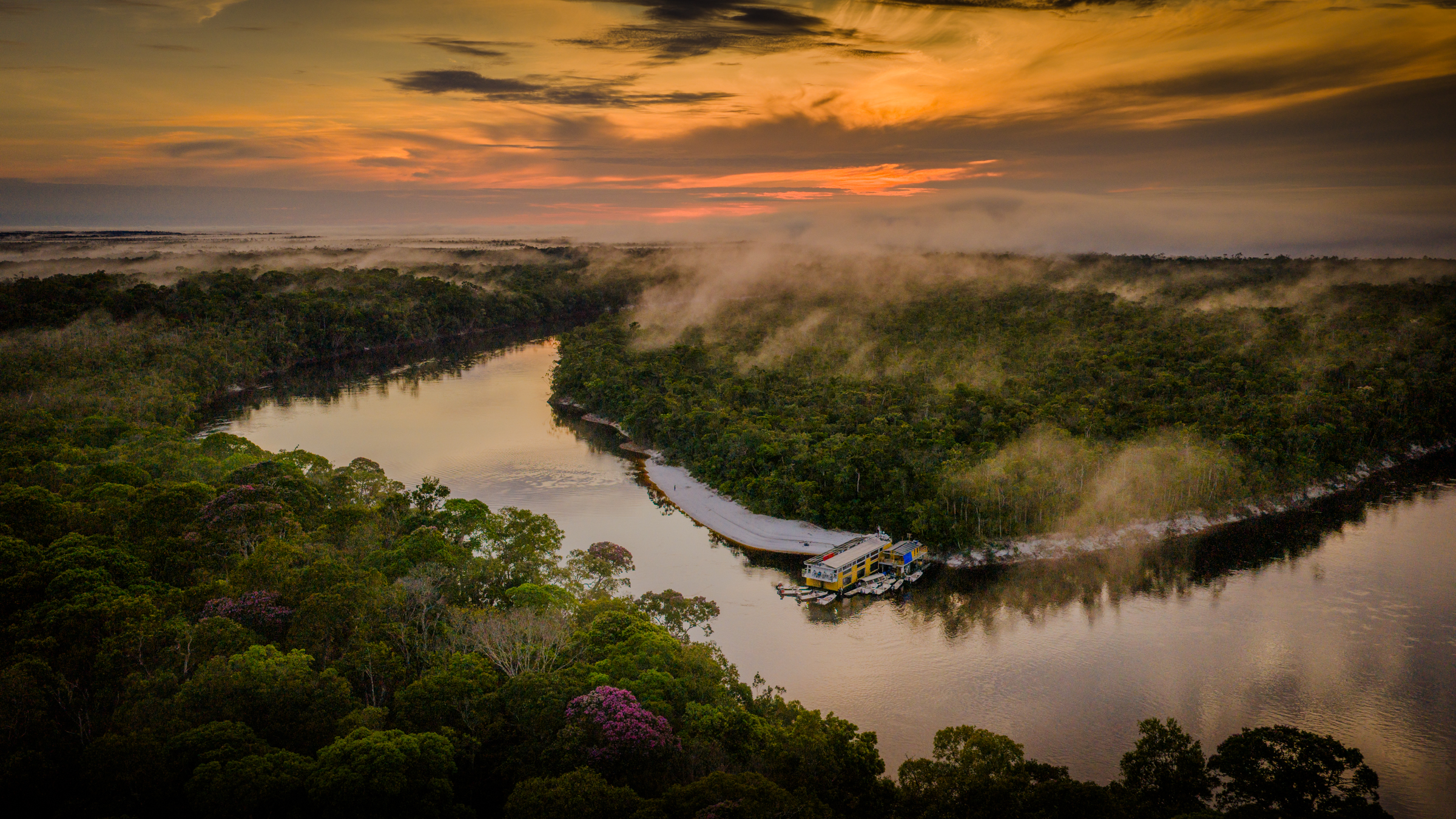
Over the last decade, the Rio Marié has become internationally recognized for producing some of the largest peacock bass ever documented. Multiple IGFA world records have been set in these waters, and fish exceeding 20 pounds are encountered every season.
Yet the significance of the Rio Marié extends beyond trophy fishing.
The river provides a rare opportunity to study a relatively intact population of giant peacock bass under a strictly regulated catch-and-release fishery. This combination of exceptional fish abundance, long-term protection, Indigenous management, and controlled fishing pressure created the ideal conditions for a large-scale tagging program.
Building the Temensis Tagging Project
The Temensis Tagging Project was launched in 2019 through collaboration among local Indigenous communities, Rio Marié guides, Untamed Angling, and IBAMA, Brazil’s federal environmental agency.
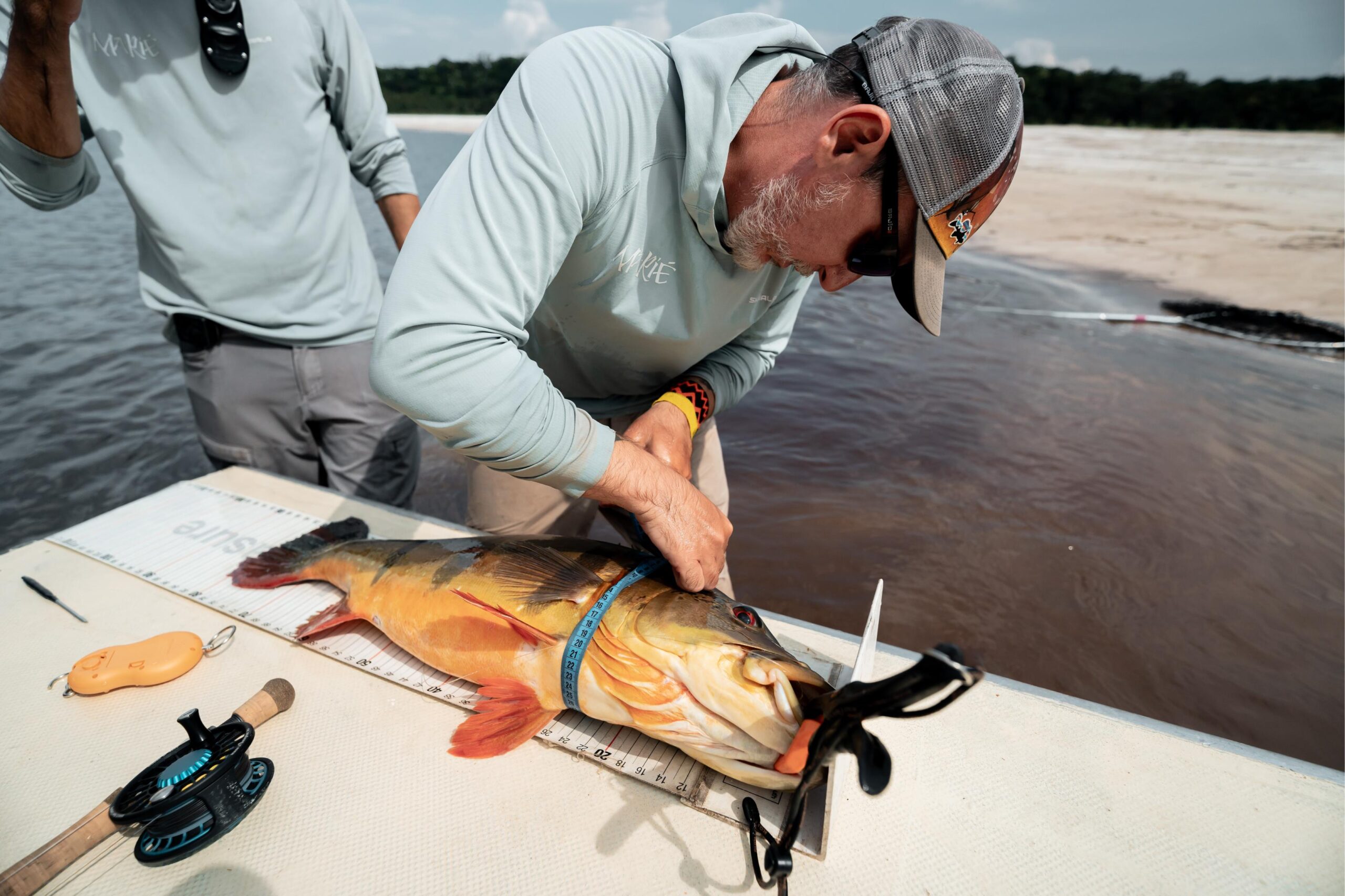
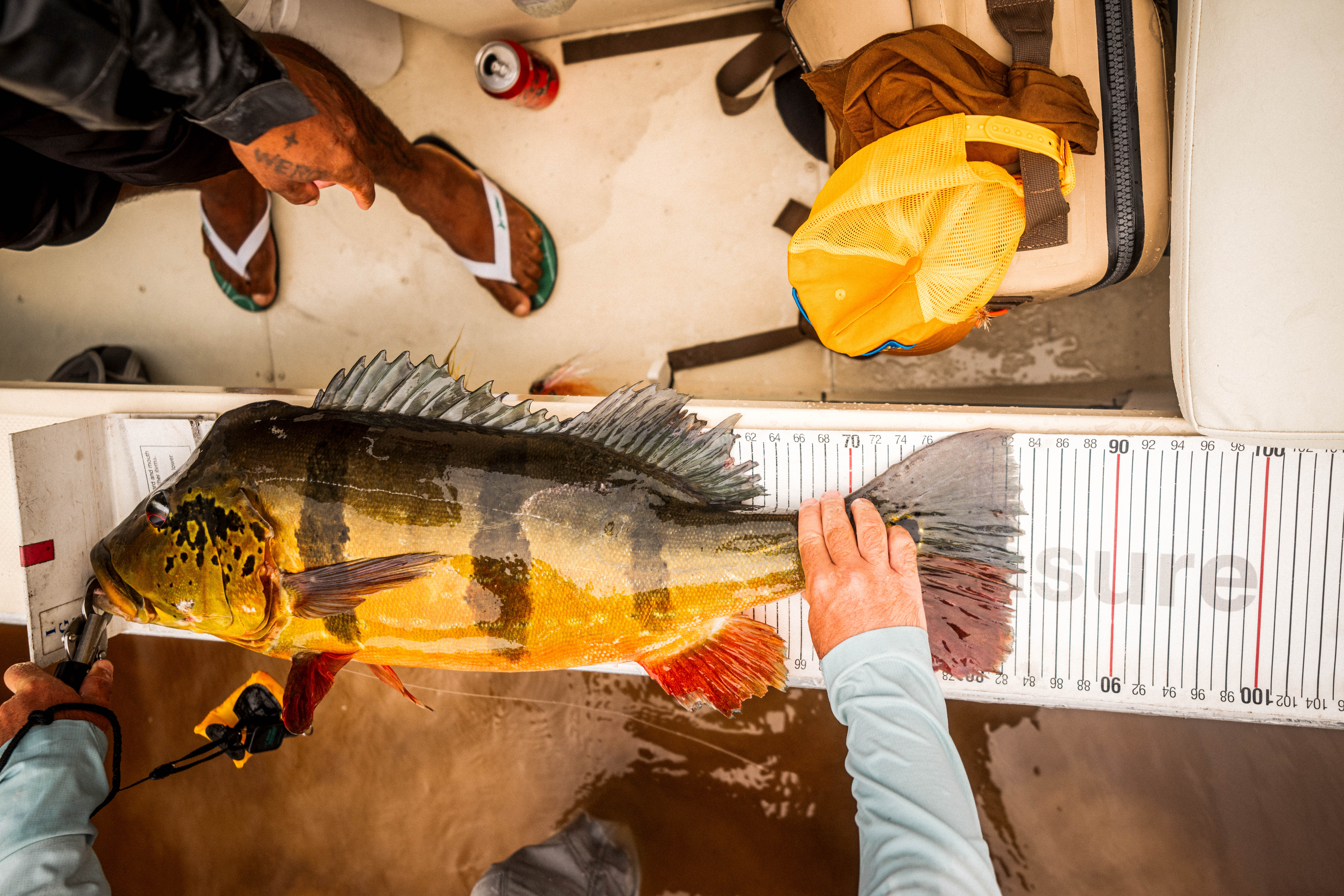
The methodology is straightforward but powerful. Each fish is measured, photographed, tagged, documented, and released. Detailed records include:
- Date of capture
- Capture location
- Total length
- Photographic identification
- Tag number
- Angler and guide information
Photographic records serve an important secondary purpose. The unique body patterns of large peacock bass frequently allow researchers to visually confirm the identity of recaptured individuals, providing additional confidence in the dataset. After six years of monitoring, the project has surpassed 3,000 tagged fish, making it the largest long-term study of its kind ever conducted for Cichla temensis.
While data analysis continues, several fascinating discoveries have already emerged.
Growth Rates and Age: How Old Is a Giant Peacock Bass?
One of the most common questions asked by anglers is surprisingly simple: "How old is that fish?" The Temensis Tagging Project is beginning to provide answers.
Analysis of recaptured fish indicates that Cichla temensis gains approximately 3 to 4 grams per day, equivalent to roughly 1.0 to 1.5 kilograms per year under natural conditions. Length growth follows a predictable pattern. Juvenile and subadult fish grow rapidly, averaging approximately 10 centimeters per year until reaching about 76 centimeters (30 inches) in total length. After reaching this threshold, growth slows considerably, averaging approximately 4 centimeters per year.
 These growth rates suggest that truly giant peacock bass are significantly older than many anglers realize. Current estimates indicate that a fish measuring between 88 and 90 centimeters in length is approximately 10-12 years old.
For anglers fortunate enough to land one of these trophies, that realization can be humbling. Many of the largest fish swimming in the Rio Marié today likely hatched a decade ago, surviving floods, droughts, predators, and countless environmental challenges before eventually encountering an angler.
Catch-and-Release Works
The tagging program has also generated compelling evidence supporting responsible catch-and-release practices. One particularly remarkable fish was documented during the 2023–2024 season; the same individual was captured, released, and subsequently recaptured four separate times within only 31 days. Not only did the fish survive repeated captures, but it continued feeding aggressively enough to strike anglers’ flies and lures again and again.
Observations like these reinforce what experienced peacock bass anglers have long believed: when fish are handled properly and released quickly, survival rates can be exceptionally high. Each recapture provides valuable scientific information while simultaneously demonstrating the effectiveness of conservation-focused angling practices.
 Rethinking Territoriality: When Giants Become Travelers
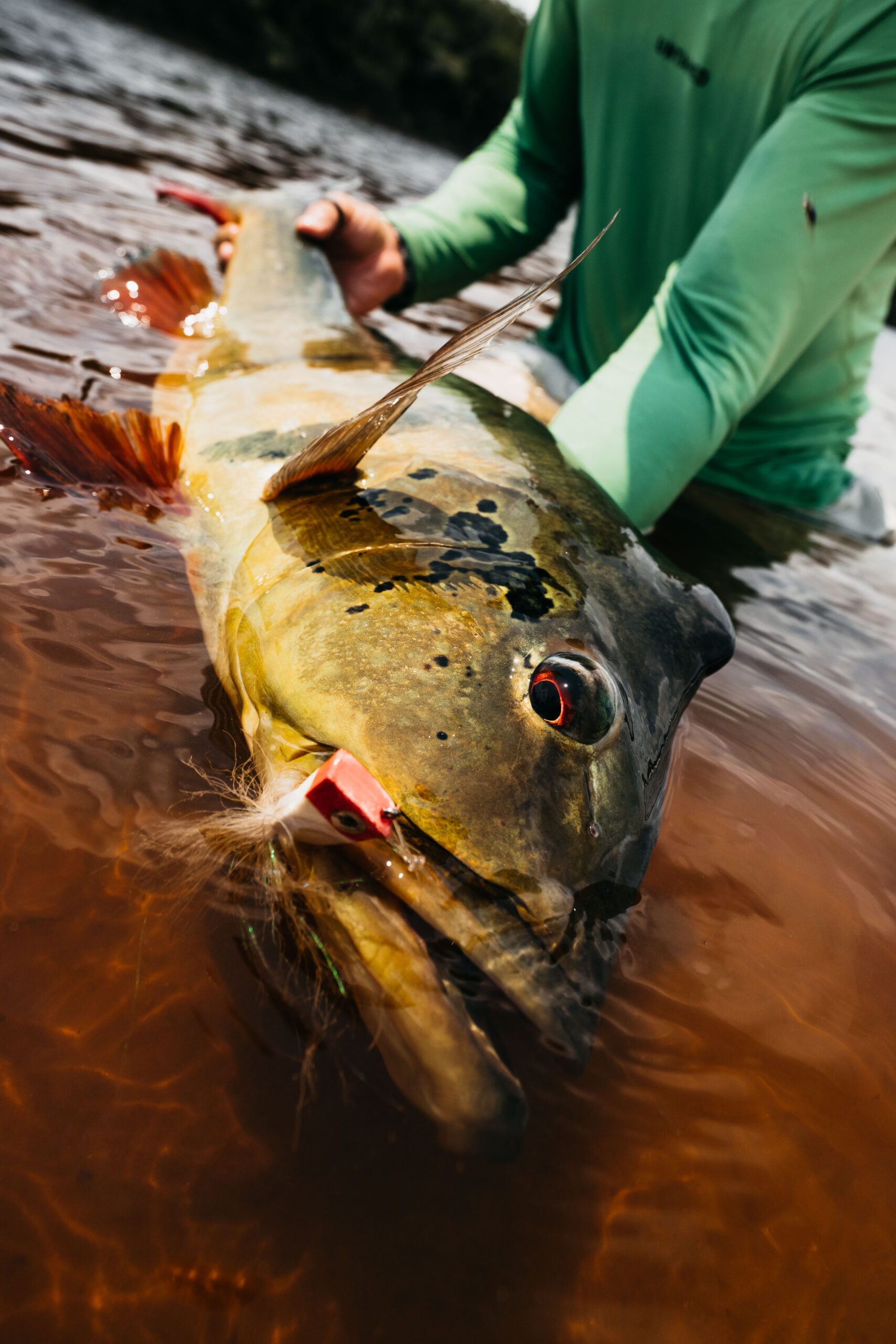 One of the primary objectives of the Temensis Tagging Project was to better understand movement patterns in wild populations of Cichla temensis.
For generations, local guides, anglers, and biologists have described giant peacock bass as highly territorial fish. Conventional wisdom suggested that once mature fish established a feeding or spawning territory, they would remain within that area for most of their lives. The project's findings have both confirmed and challenged that belief.
The majority of tagged fish demonstrate remarkable site fidelity. Many individuals remain within the same lake, lagoon, or river section for years, reinforcing the long-held perception that mature Cichla temensis are strongly attached to specific territories. However, the most surprising discoveries have come from a small number of extraordinary recaptures that reveal a completely different side of the species.
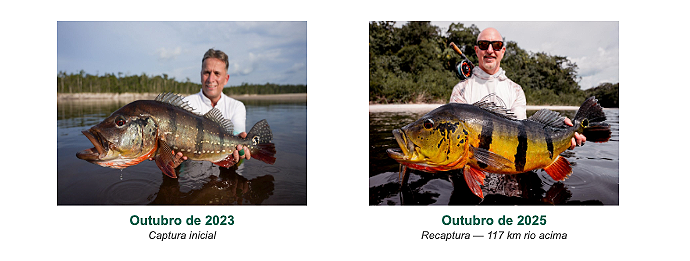
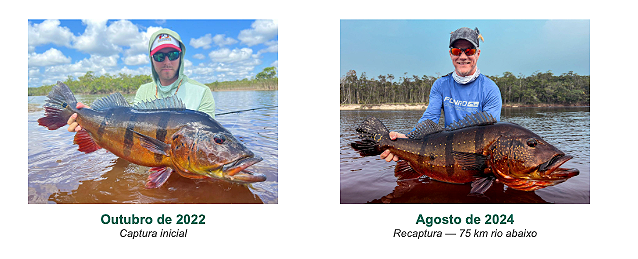
In 2024, researchers documented what was then the longest movement ever recorded by the project. A fish originally tagged in October 2022 was recaptured nearly two years later, 75 kilometers (47 miles) downstream from its original capture location. The identity of the fish was confirmed not only through the tag number but also through photographic comparison of its unique body markings.
Just one year later, that record was shattered.
In 2025, a fish tagged in 2023 was recaptured an astonishing 117 kilometers (73 miles) upstream from where it had originally been marked. Once again, researchers carefully verified the recapture through both tag identification and photographic records, confirming what is currently the longest documented displacement ever recorded for any peacock bass species.
These discoveries fundamentally alter our understanding of movement ecology in giant peacock bass.
While most fish remain faithful to their home waters, some individuals clearly possess the ability to travel extraordinary distances through interconnected blackwater habitats. Such movements may be linked to reproductive behavior, seasonal habitat shifts, hydrological changes, forage availability, or other environmental factors that remain poorly understood.
A Journey for Two
Perhaps even more fascinating was a discovery involving not one fish, but two.
In August 2025, a male and female peacock bass were captured, tagged, and released together by Rodrigo Salles and his wife, Pamela. Two months later, the same pair was recaptured while guarding newly hatched fry. Remarkably, they had established their new nest approximately 28 kilometers (17 miles) downstream from where they were originally tagged. The observation suggests that breeding pairs may remain associated during significant movements, relocate together, establish new territories, and complete another reproductive cycle.
To our knowledge, this represents one of the most remarkable and previously undocumented behavioral observations ever recorded for Cichla temensis.
Why These Discoveries Matter
Published scientific information on long-distance movement in wild peacock bass remains surprisingly limited. Most available knowledge regarding Cichla behavior has historically originated from fisheries observations, local ecological knowledge, and shorter-term studies focused on feeding ecology, reproduction, habitat use, or introduced populations outside their native range. For native Amazonian Cichla temensis, there is currently no known long-term mark-and-recapture dataset comparable in scale to the Temensis Tagging Project. This makes the Rio Marié findings particularly significant.
The project confirms the traditional understanding that most adult giant peacock bass exhibit strong site fidelity. At the same time, it reveals that a small but important proportion of the population is capable of movements far greater than previously believed. The documented displacements of 75 kilometers downstream and 117 kilometers upstream are not merely local movements within a home range. They represent watershed-scale journeys by a species historically regarded as highly sedentary.
The observation of a breeding pair relocating together and subsequently reproducing in a new location adds another layer of complexity to our understanding of the species. After more than 3,000 tagged fish and six years of monitoring, the most important lesson may be that giant peacock bass are far more behaviorally complex than previously imagined. They can be fiercely territorial, yet occasionally highly mobile. They can remain in the same lagoon for years, yet some individuals may travel more than 100 kilometers through the labyrinth of Amazonian blackwater channels.
The Temensis Tagging Project is revealing that the world's largest peacock bass may also be one of its greatest scientific mysteries.
Why the Rio Marié Produces Giants
The Rio Marié has earned a reputation as perhaps the finest trophy peacock bass fishery in the world.
The tagging program helps explain why.
Data from the most recent season revealed a striking population structure. Among 931 documented fish, researchers observed two dominant size groups. The first consisted primarily of growing fish around 50 centimeters in length. The second consisted of large adults exceeding 80 centimeters. Most importantly, the number of fish larger than 80 centimeters was nearly double that observed in some intermediate size classes. These fish are not simply large adults; they are mega-spawners—the most productive breeders within the population.
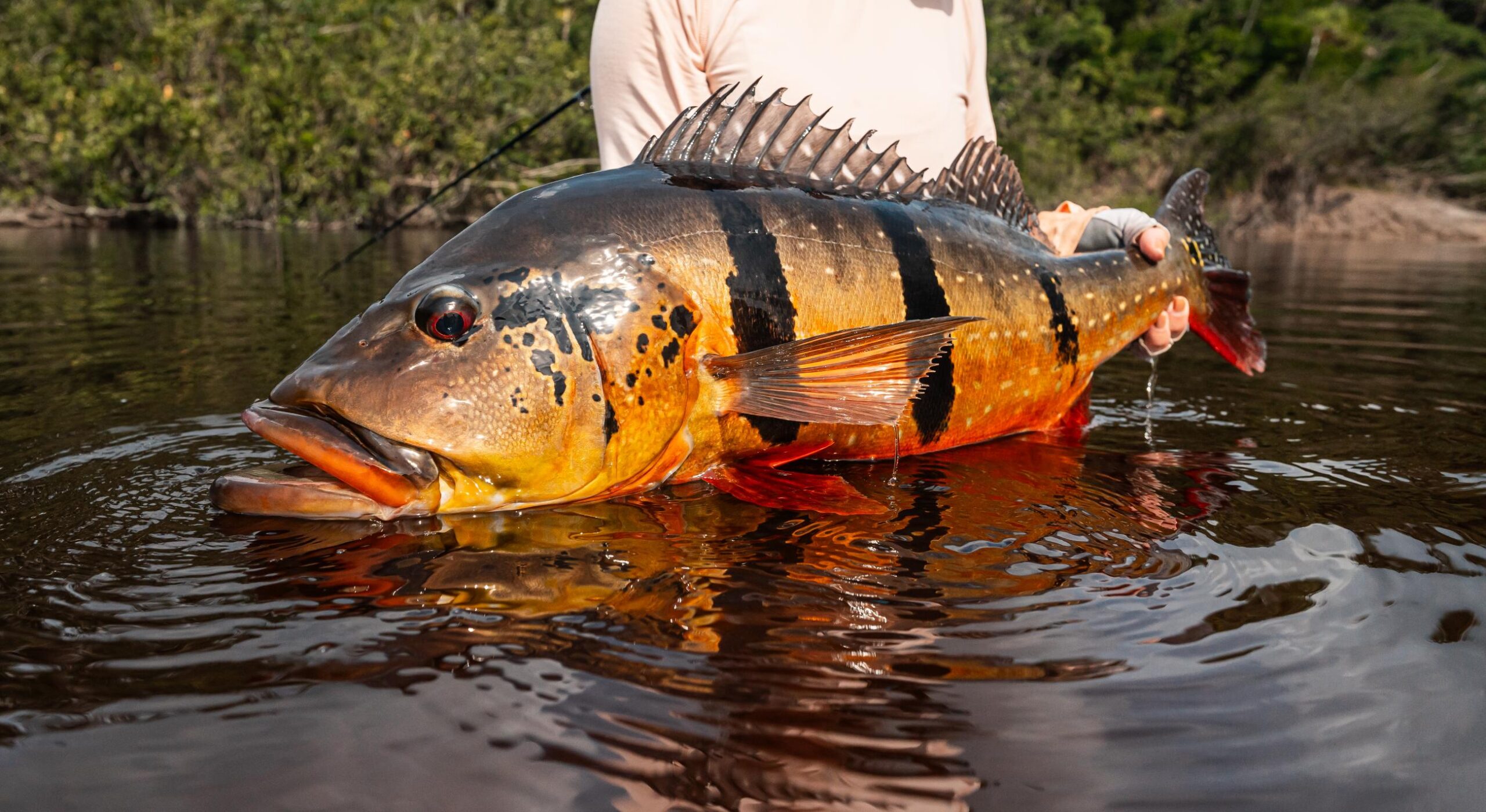
Their abundance reflects years of conservation management, Indigenous stewardship, catch-and-release practices, habitat protection, and controlled fishing pressure. In many fisheries, these older fish disappear first. In the Rio Marié, they continue to thrive.
Looking Ahead
Although six years of data have already produced valuable discoveries, the Temensis Tagging Project is only beginning. Future objectives include expanding the database to 10,000 tagged fish, refining age and growth models, documenting spawning-site fidelity and fish populations, understanding seasonal movement patterns, and continuing to uncover the hidden lives of the Amazon’s most iconic sportfish. Most importantly, the project demonstrates what can be achieved when Indigenous communities, anglers, guides, scientists, conservation organizations, and government agencies work together toward a common goal. Every tag brings us one step closer to understanding the true life history of the smartest freshwater game fish on Earth.
Learn More and Get Involved
The Temensis Tagging Project continues to grow with the support of anglers, Indigenous communities, guides, scientists, and conservation partners who share a common commitment to protecting the future of Amazonian fisheries.
Whether you are interested in learning more about the project, participating as an angler, supporting research efforts, or contributing to long-term conservation initiatives, there are opportunities to get involved.
The project is supported by the Pinawaca Foundation, which promotes scientific research, environmental education, Indigenous stewardship, and conservation programs throughout the Amazon.
To learn more about the Temensis Tagging Project, follow ongoing discoveries, or explore ways to contribute, please visit: www.pinawaca.org