Preserving the World's Sportfishing Memory at the E.K. Harry Library of Fishes
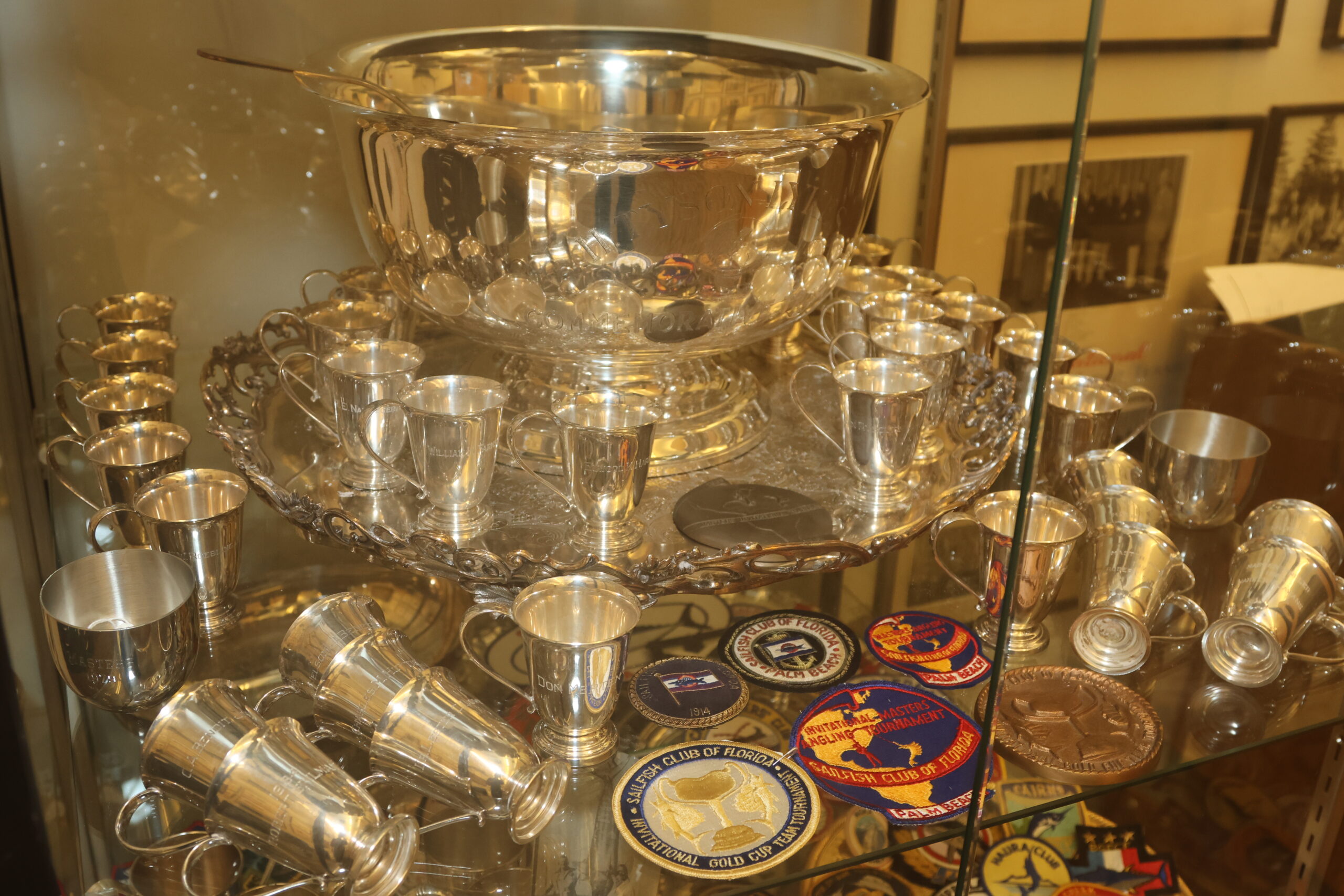
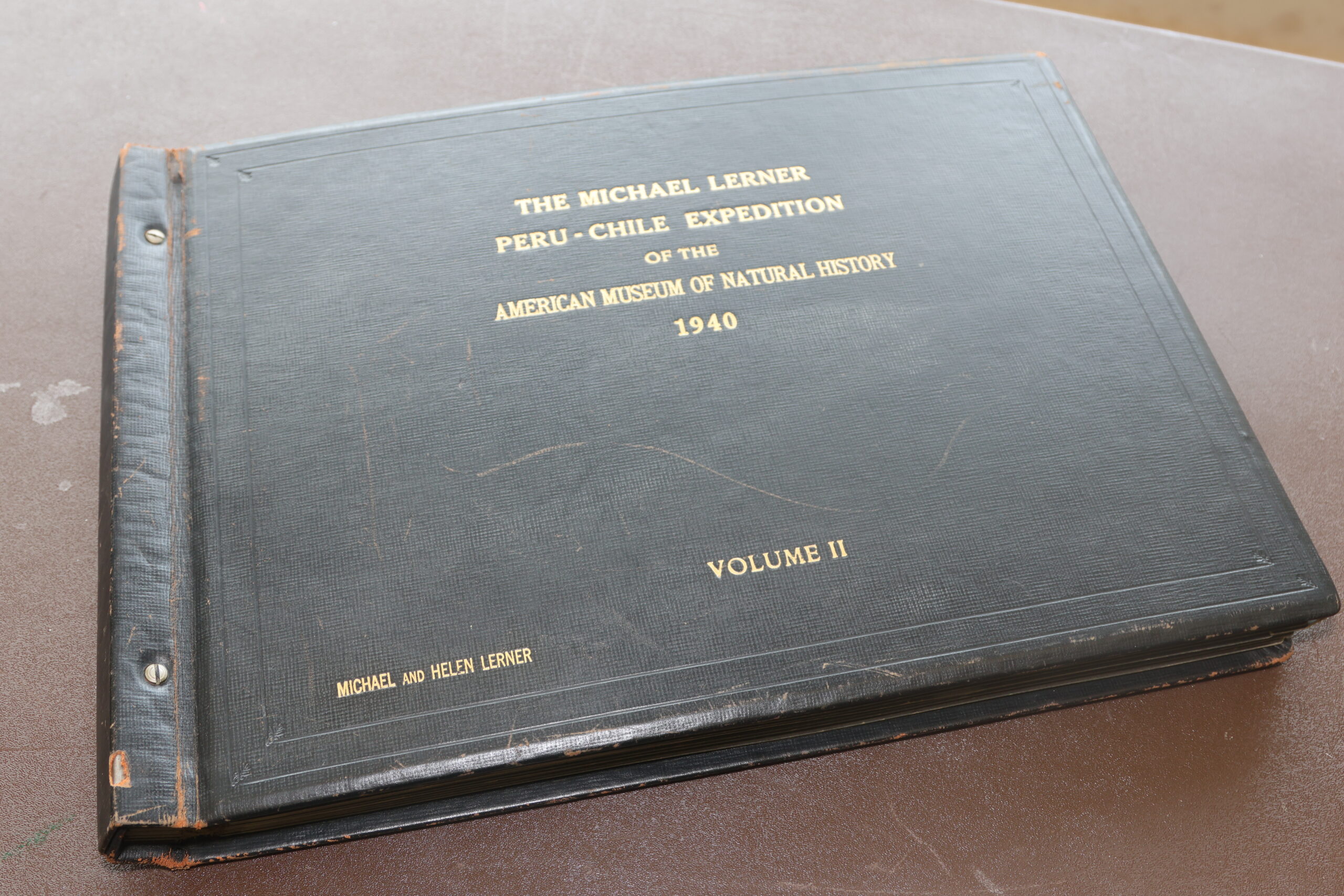
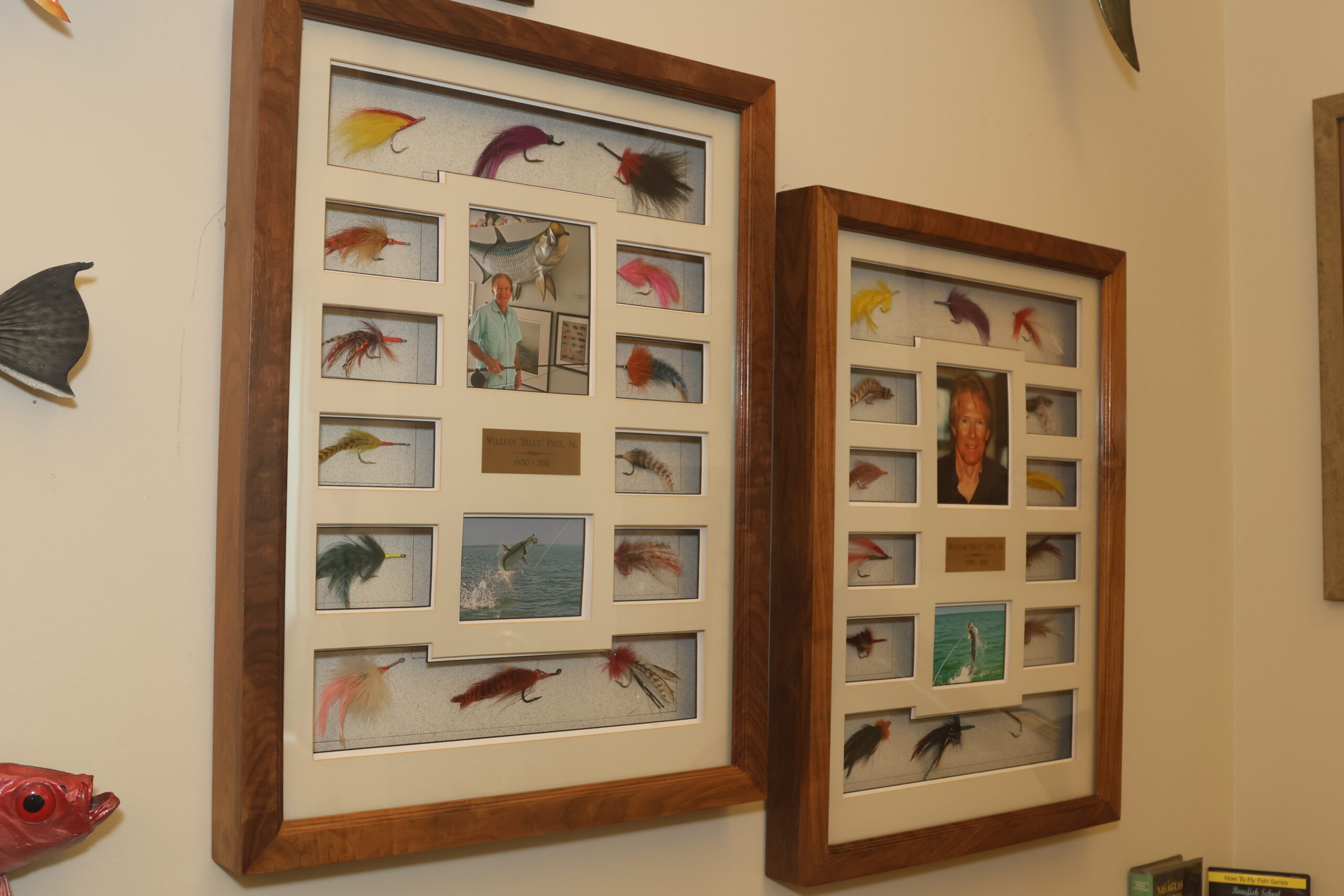
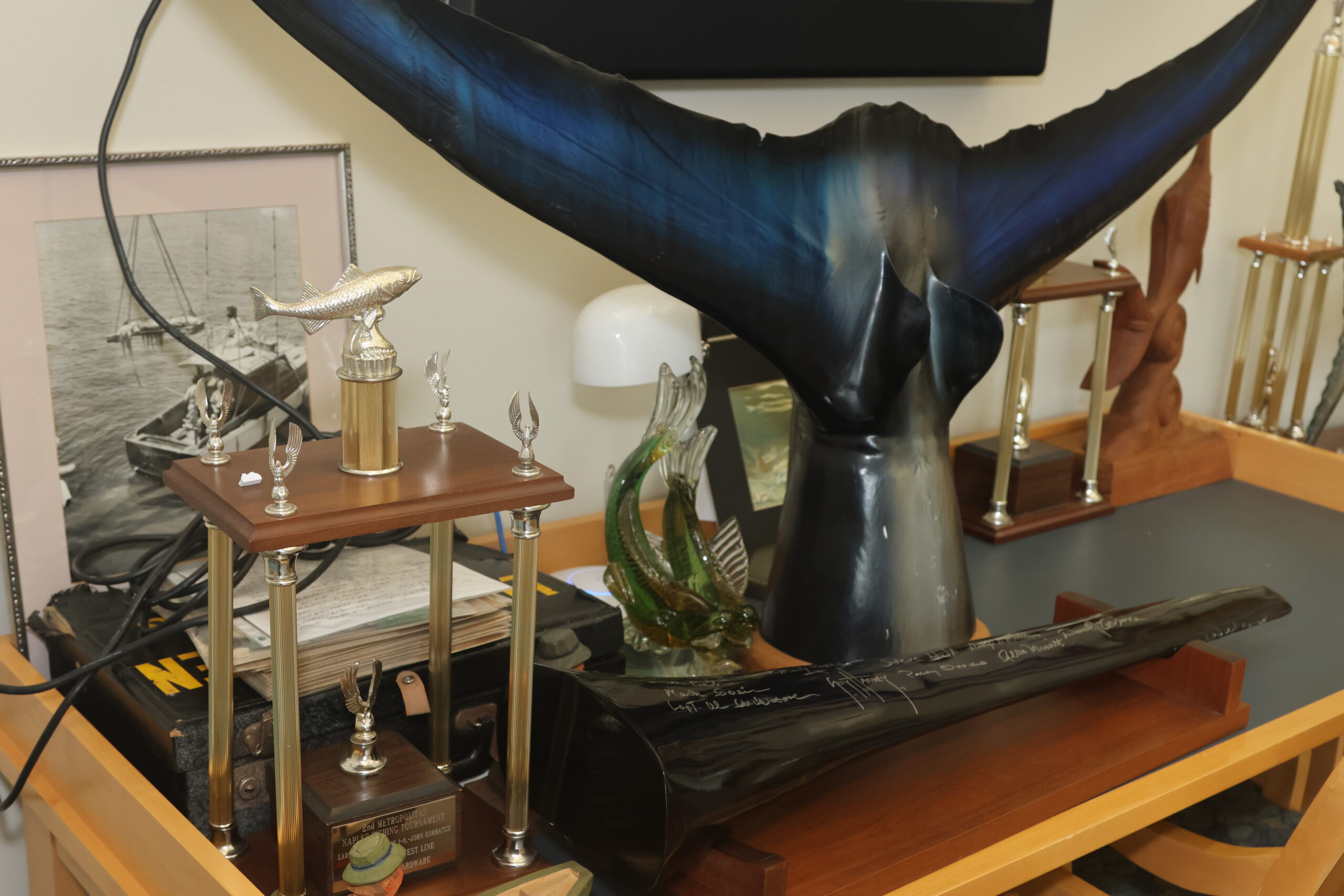
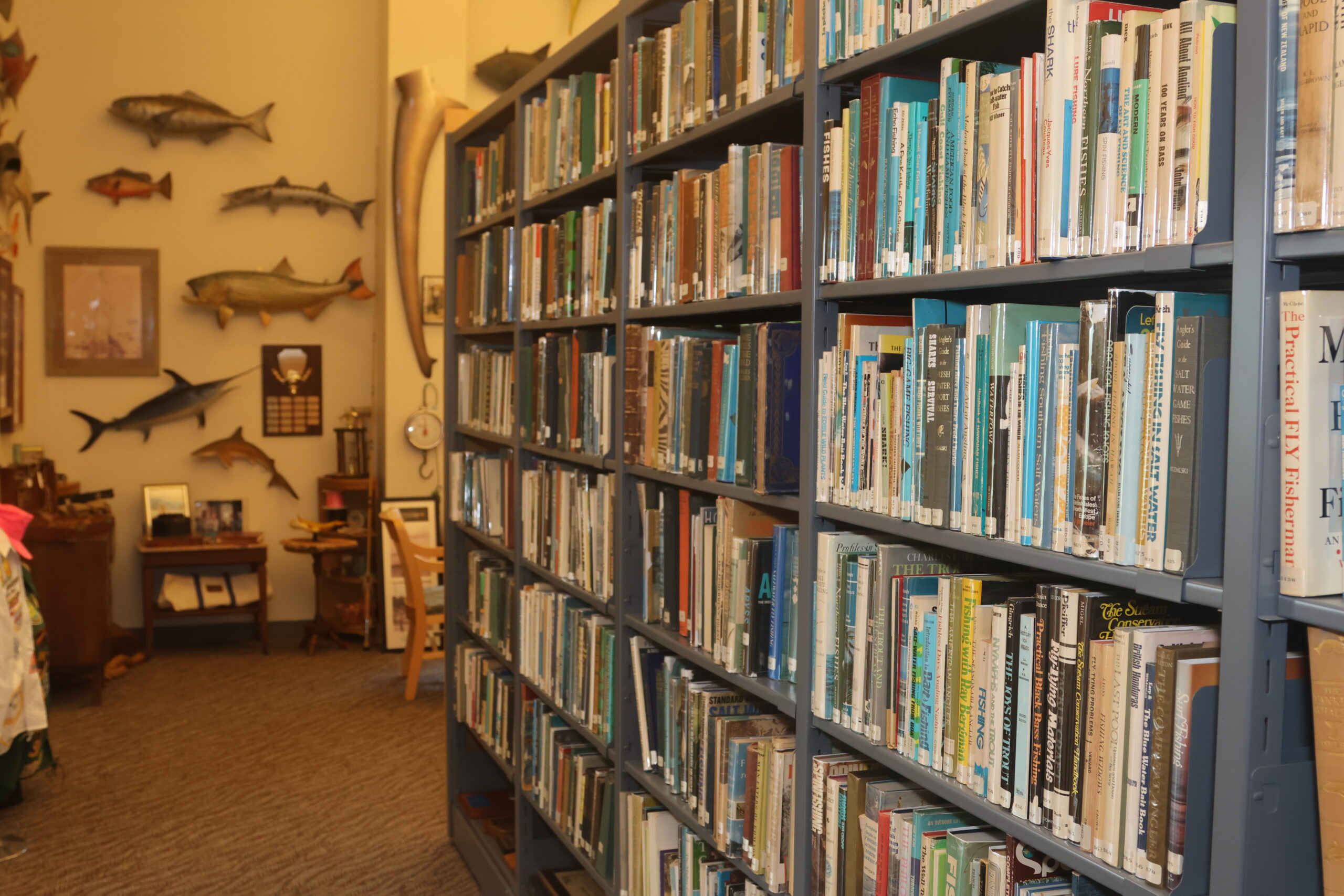
Walk through the doors of the E.K. Harry Library of Fishes at the International Game Fish Association offices in Dania Beach, Florida, and you quickly realize you are standing in the middle of something special. There are books lining the shelves by the thousands. Photographs document great catches, legendary anglers, and distant expeditions. Scientific journals preserve decades of fisheries research. Scrapbooks, correspondence, tournament records, magazines, films, slides, trophies from various organizations and tournaments, as well as rods, reels, flies, and lures of historical significance and IGFA Fishing Hall of Fame materials, tell the story of how recreational fishing evolved into the global sport it is today.
Most anglers know the IGFA as the keeper of world records, for international angling rules, game fish conservation, and ethical angling standards. What many do not realize is that the organization has also spent decades assembling and preserving an extraordinary collection of historical material. The library contains thousands of books devoted to game fish, fishing, marine science, conservation, exploration, maritime history, and related subjects.
Beyond the books are collections of one-of-a-kind photographs, magazines, films, slides, correspondence, scientific papers, conservation records, IGFA Fishing Hall of Fame files, and historical documents that collectively tell the story of recreational fishing over the last century. The scope of the collection is remarkable. It includes materials documenting famous catches, pioneering expeditions, scientific breakthroughs, conservation milestones, tournament history, tackle development, boat design, and the lives of some of the most influential figures in sportfishing.
Taken together, these materials tell a story far larger than any individual catch or world record. They tell the story of our sport. They tell the story of the people who built it. And they tell the story of how anglers and scientists increasingly work together to better understand and protect the resource they both cherish.
Today, the IGFA has embarked on an ambitious effort to preserve that history and make it accessible in ways that were unimaginable only a few years ago. At first glance, the initiative sounds like a technology project involving scanners, databases, artificial intelligence, and cloud storage. In reality, it is much more than that. It is an effort to preserve the collective memory of sportfishing. It is a project designed to ensure that future generations can understand not only the fish that were caught, but also the people, organizations, scientific discoveries, conservation efforts, and innovations that helped shape the sport. As the vision is fully realized, it will become the world’s most comprehensive digital repository devoted to game fish and sportfishing.
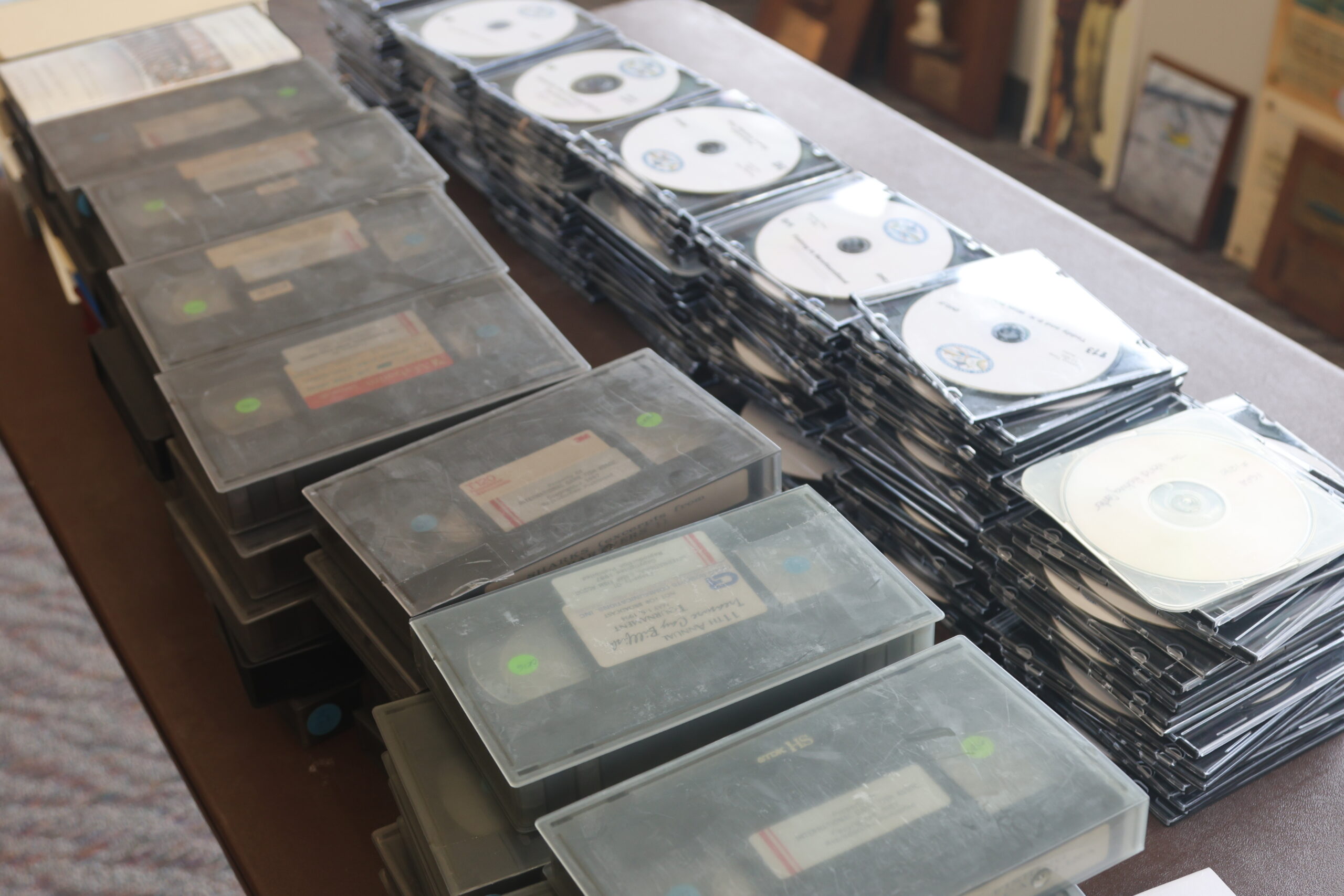
History is surprisingly fragile. Paper deteriorates. Film fades. Magnetic media becomes obsolete. Photographs disappear. Organizations close. People pass away. And when they do, valuable records often disappear with them.
That reality is one of the driving forces behind the digitization initiative. The goal is not merely to preserve the materials already housed within IGFA. The goal is to identify and preserve as much sportfishing history as possible before pieces of it are lost forever. That mission extends well beyond the walls of the library.