Striped Marlin Population Genetics Study | IGFA Leads Cutting-Edge Genetic Research on Striped Marlin
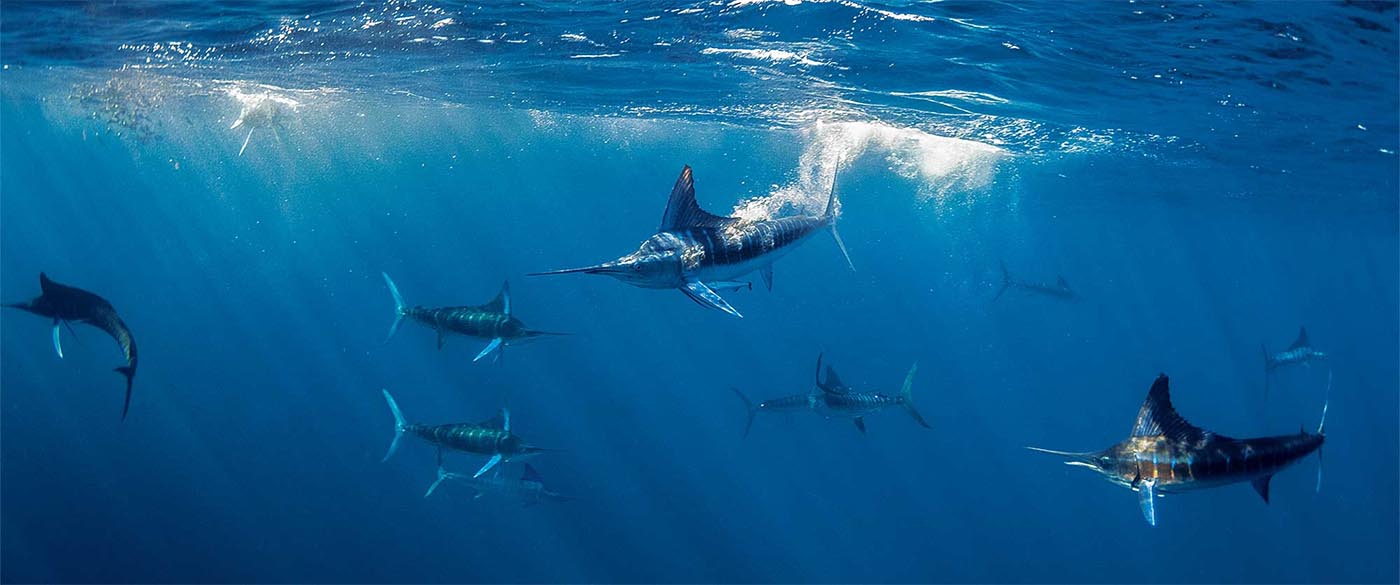
As a global leader in fisheries research, conservation, and advocacy, the IGFA has a proud history of advancing world-class fisheries science and driving meaningful partnerships among the recreational fishing and scientific communities to advance our knowledge of game fishes worldwide. For decades, the IGFA has been on the cutting edge of billfish science into the movement, habitat utilization, and spawning metrics of the billfishes, and we are proud to announce a new research initiative focused on the population genetics of Pacific striped marlin.
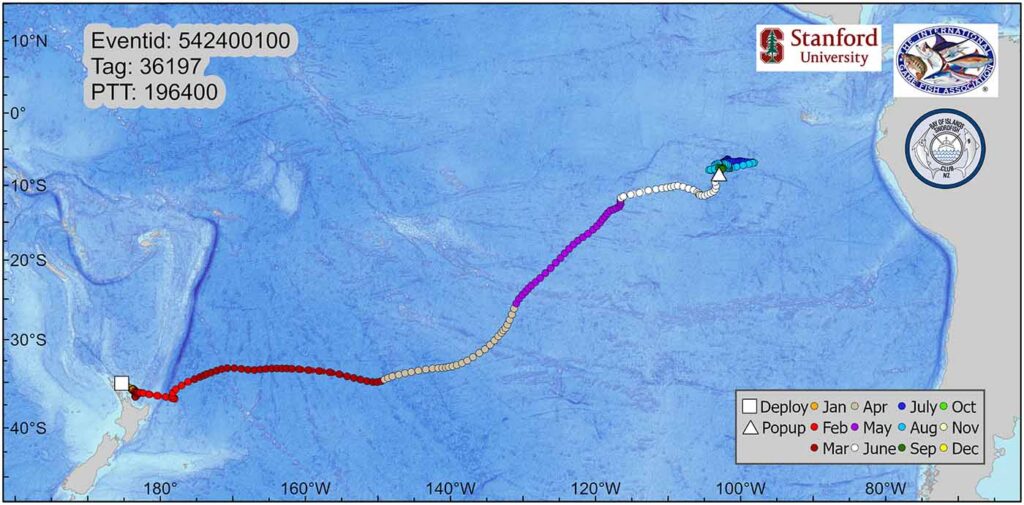
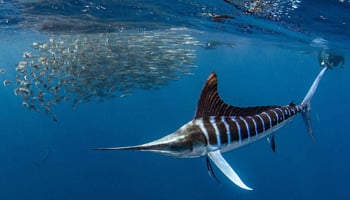
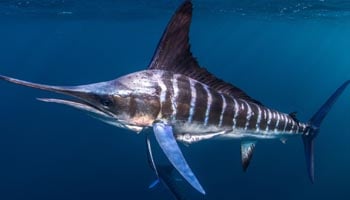
The primary motivation for launching this project was the continued uncertainty in the stock assessment results for both the western and central north Pacific and southwestern Pacific striped marlin stocks. Striped marlin are overfished across a majority of their range and have not shown indications of recovery despite decreasing fishing mortality estimates. Assessment results underscore the need for improved information on catch, stock structure, movement, and regional connectivity to support more effective management. The need for better population structure information was further supported by recent research from IGFA Conservation Programs Manager Jackson Martinez, who found that the central North Pacific may serve as a mixing ground for multiple stocks, or populations, of striped marlin throughout the year. Using state-of-the-art genetic approaches, his findings suggest that stock mixing in the central North Pacific, including areas fished by the Hawaii pelagic longline fleet, is not currently accounted for in stock assessments or management plans. This creates a mismatch between the static management boundaries set by Regional Fisheries Management Organizations (RFMOs) and the best-available biological data. In addition, recent tagging data from the IGFA Great Marlin Race (IGMR) indicate that striped marlin make long-distance movements across the Pacific more frequently than previously thought, further highlighting the need for additional research to understand annual movement patterns and regional connectivity.
Based on these findings, the IGFA teamed up with Dr. Jan McDowell, from the Virginia Institute of Marine Science, to expand this genetic research throughout the Pacific to investigate when and where stocks of striped marlin mix over time. This research will inform ongoing efforts by the Pacific RFMOs to improve the assessment and management of striped marlin, which are currently under a rebuilding plan in the western and central North Pacific.
To kick-start this study, we enlisted the help of recreational anglers fishing for striped marlin in various areas of the Pacific, including IGFA Trustees and Representatives, who are assisting with sampling efforts by collecting small fin clips from live striped marlin before release. We have also established sampling partnerships with scientific colleagues across the region who are collecting tissue samples from landed fish at local markets. Ongoing or planned sampling will occur over two years from Southern California to Ecuador, throughout the South and southwestern Pacific, New Zealand, Australia, and Taiwan.
We look forward to working with Dr. McDowell, who is a long-standing leader in billfish genetic research. This study, especially the intensive sampling required to produce robust results, would not be possible without strong collaborations with the recreational fishing community. This is what the IGFA does best – advancing meaningful research on ecologically and economically important species while building and maintaining crucial partnerships with the angling community, who make our work possible. Stay tuned for updates.