Fly Fishing in the Garden of Eden
The Golden Dorado of the Tariquía
By IGFA Ambassador Matt Harris, www.mattharrisflyfishing.com
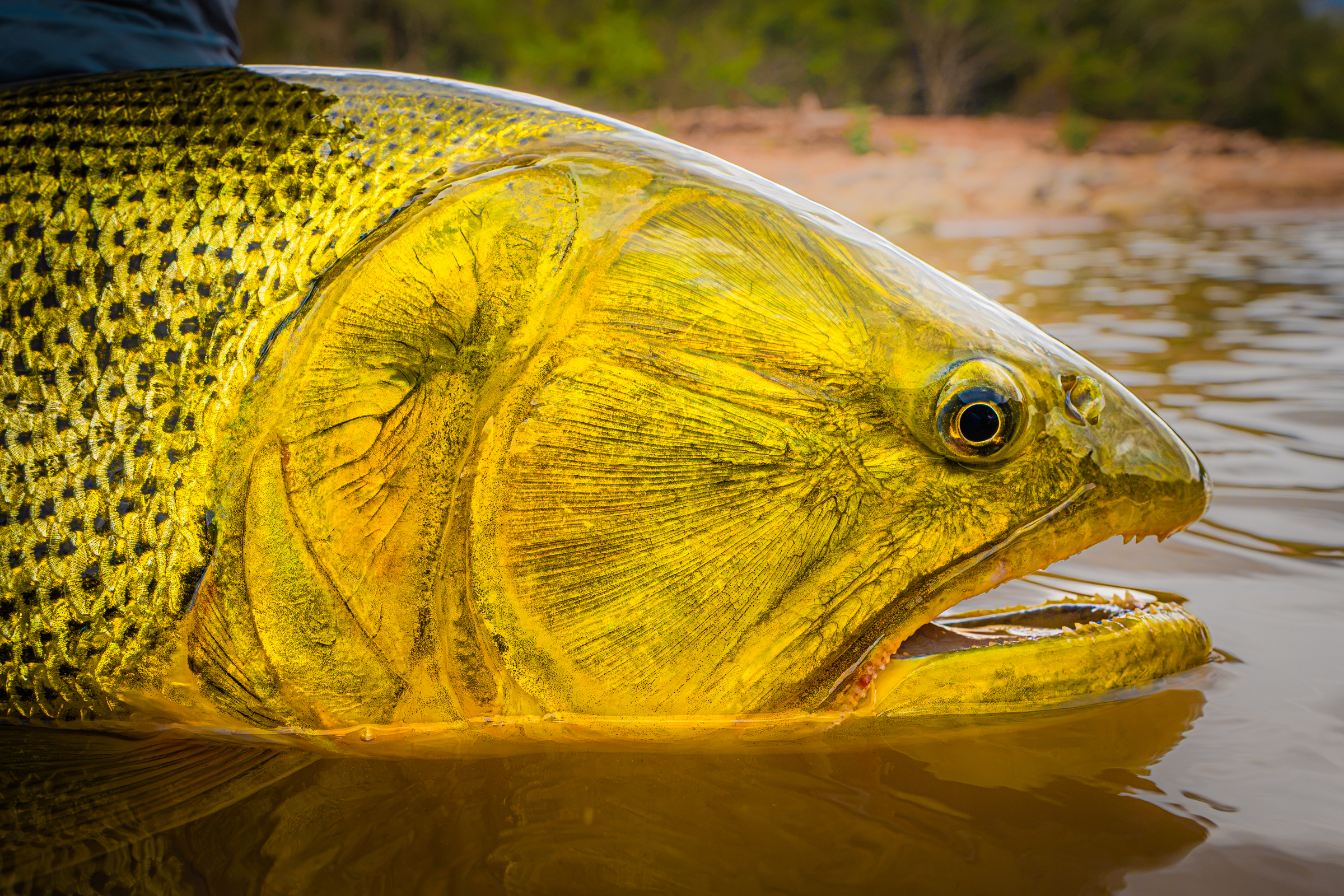
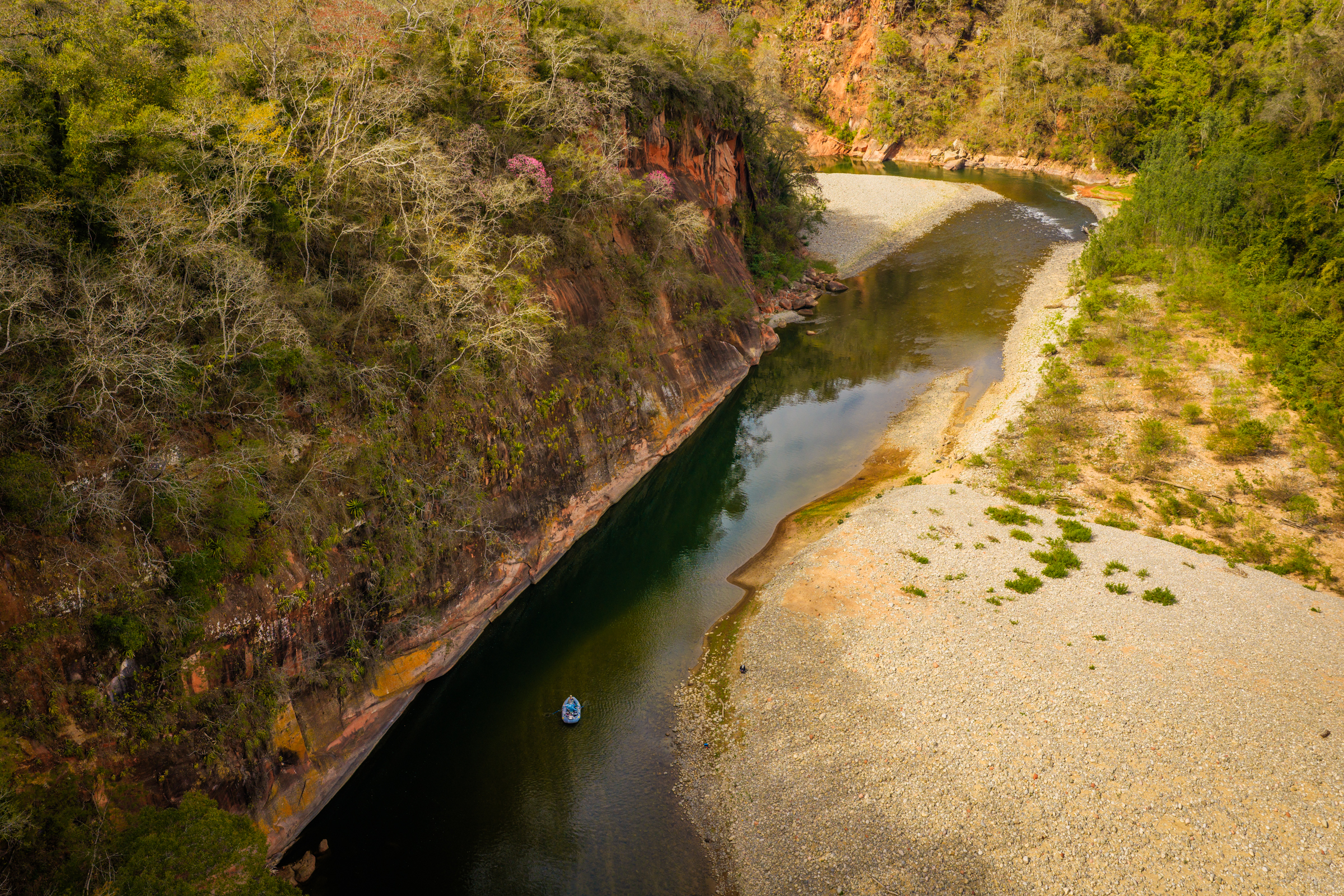
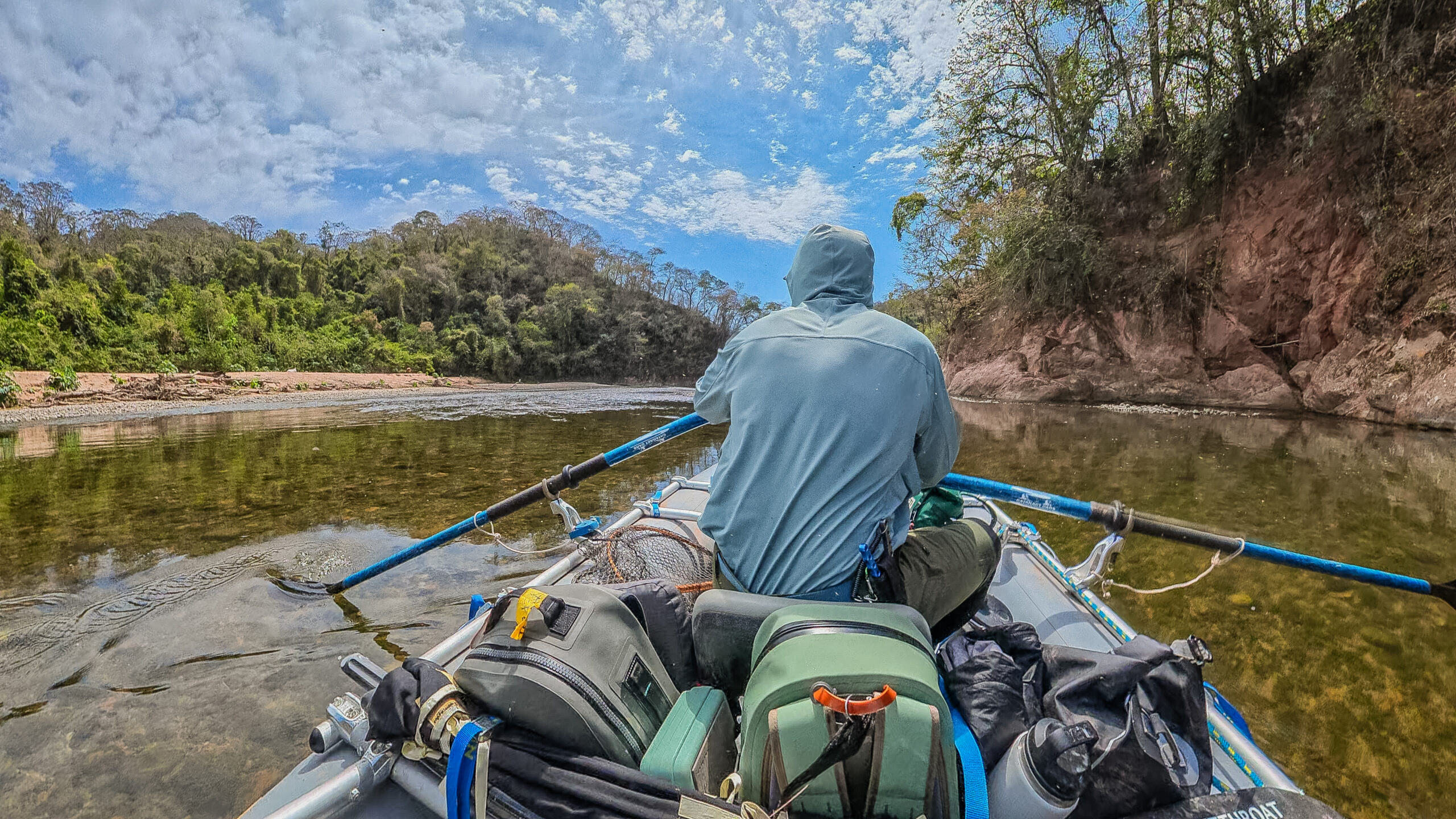
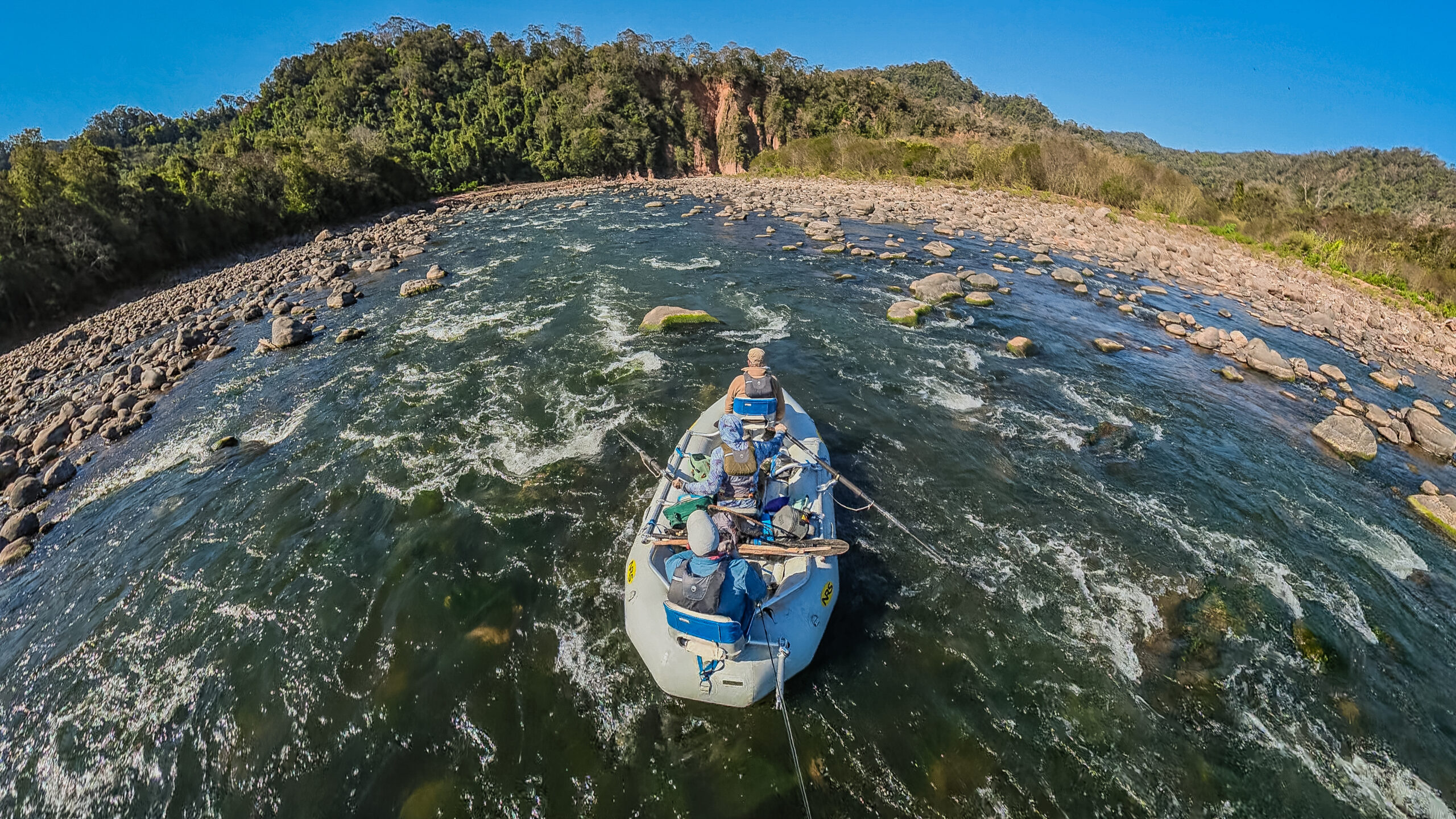
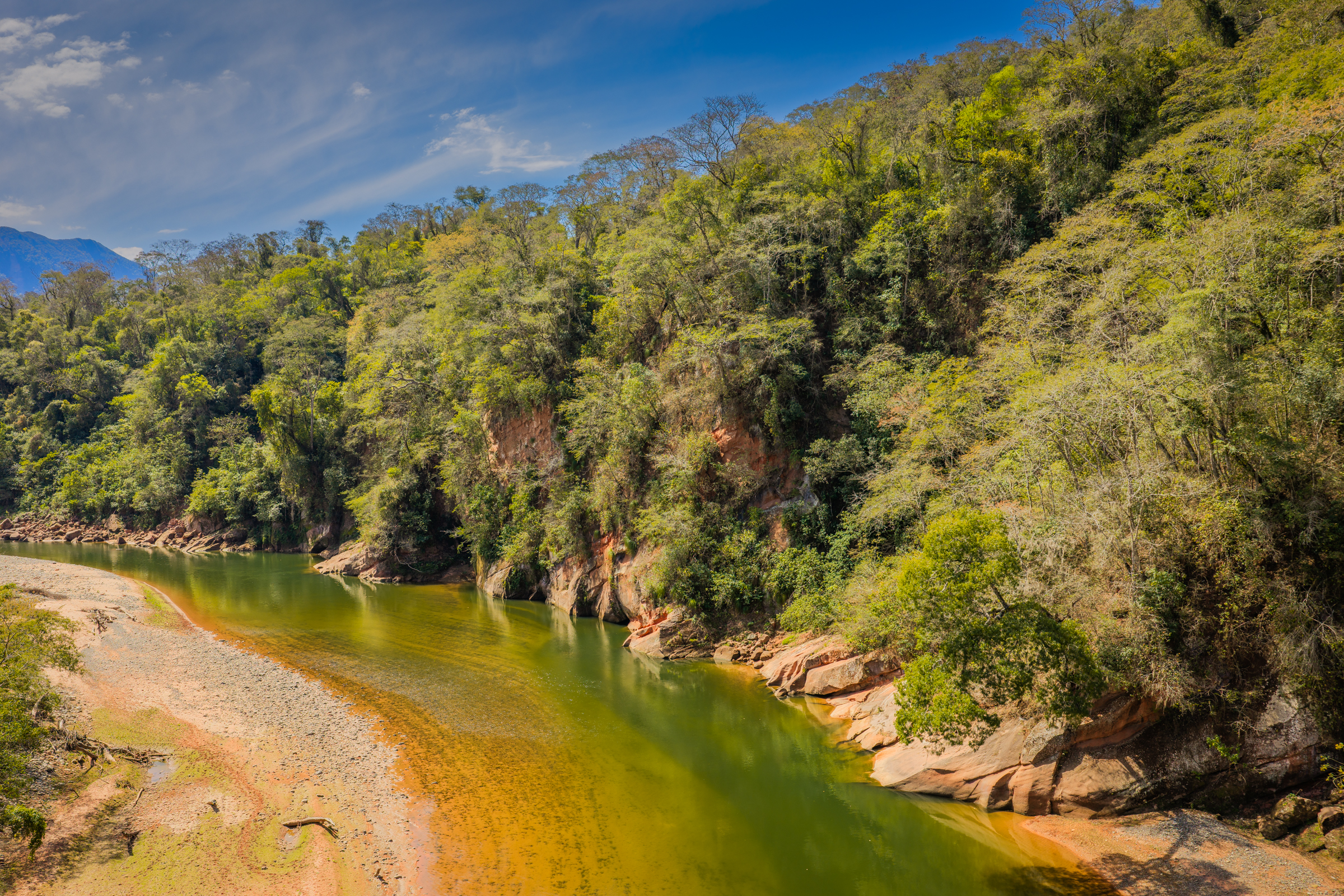
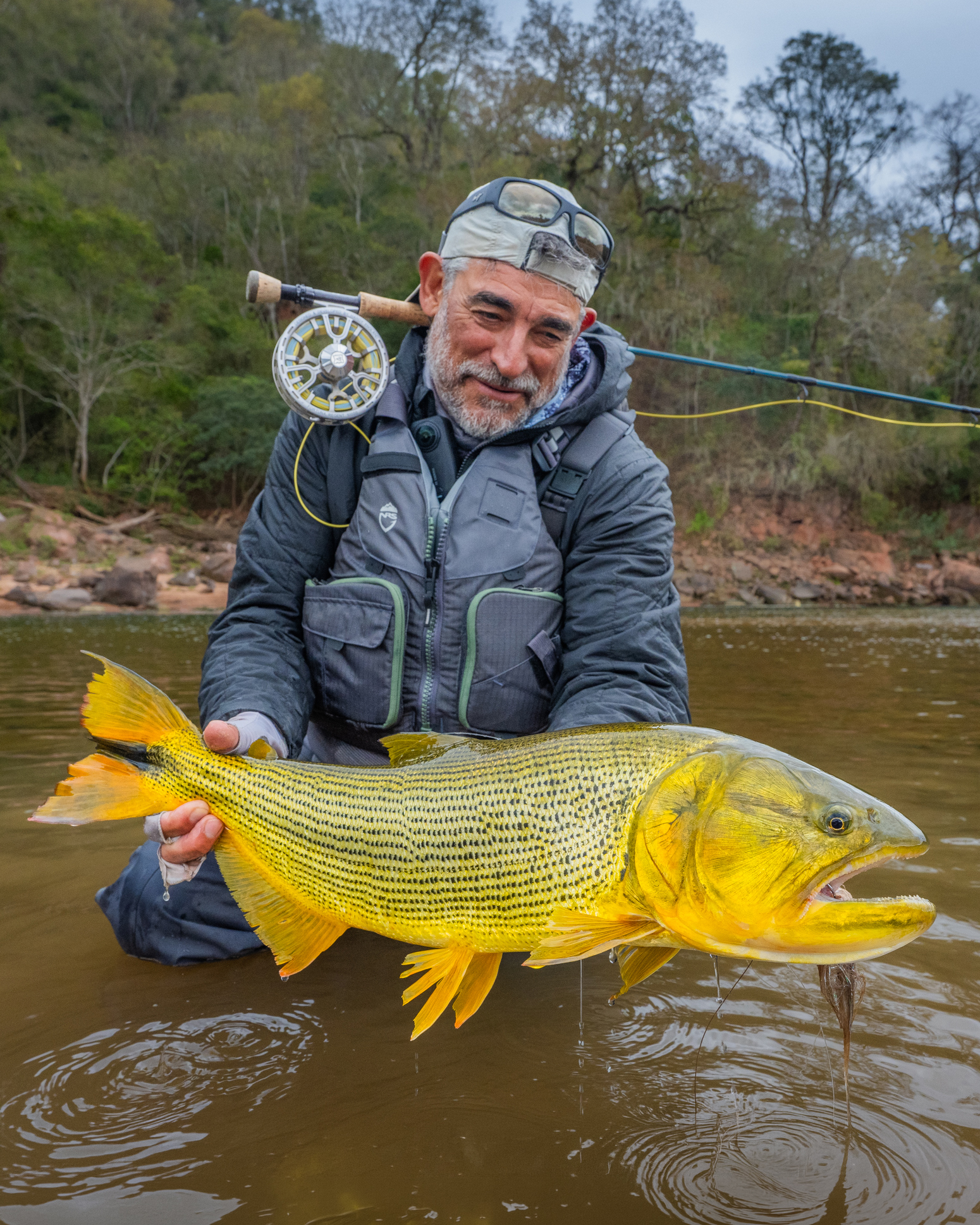
Our little pontoon boat bounced down the rapids, and as we emerged into the golden sunlight that slanted over the high red sandstone cliffs, my guide Fede eased us expertly into the little pool below. I made a backhand cast and sent the huge black streamer whistling toward the rocky bank across the stream. I allowed the fly to sink into the bottle-green waters, and then, tucking my rod under my arm, I started to retrieve the fly hand over hand.
Suddenly, out of nowhere, a moment I’ll never forget.
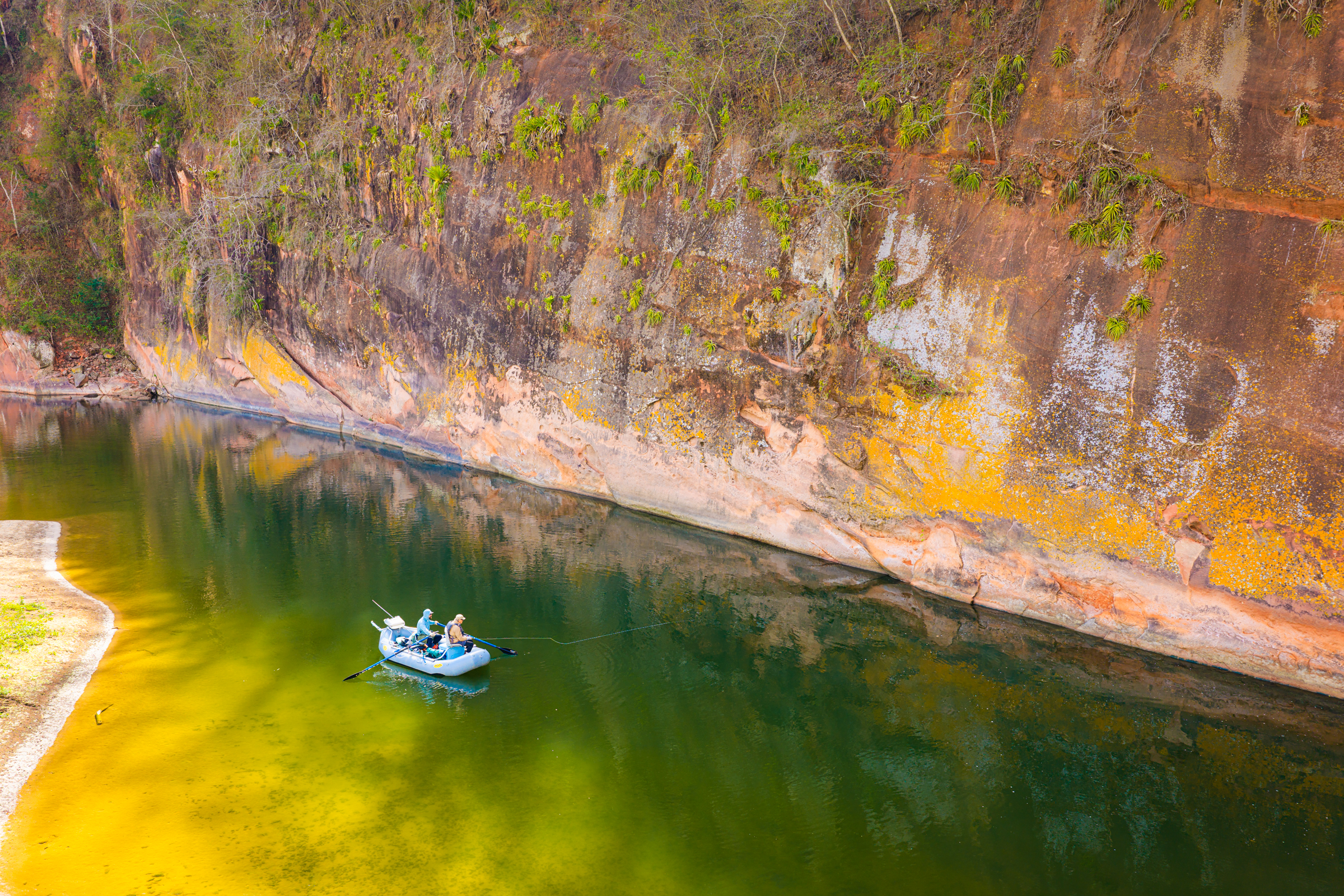
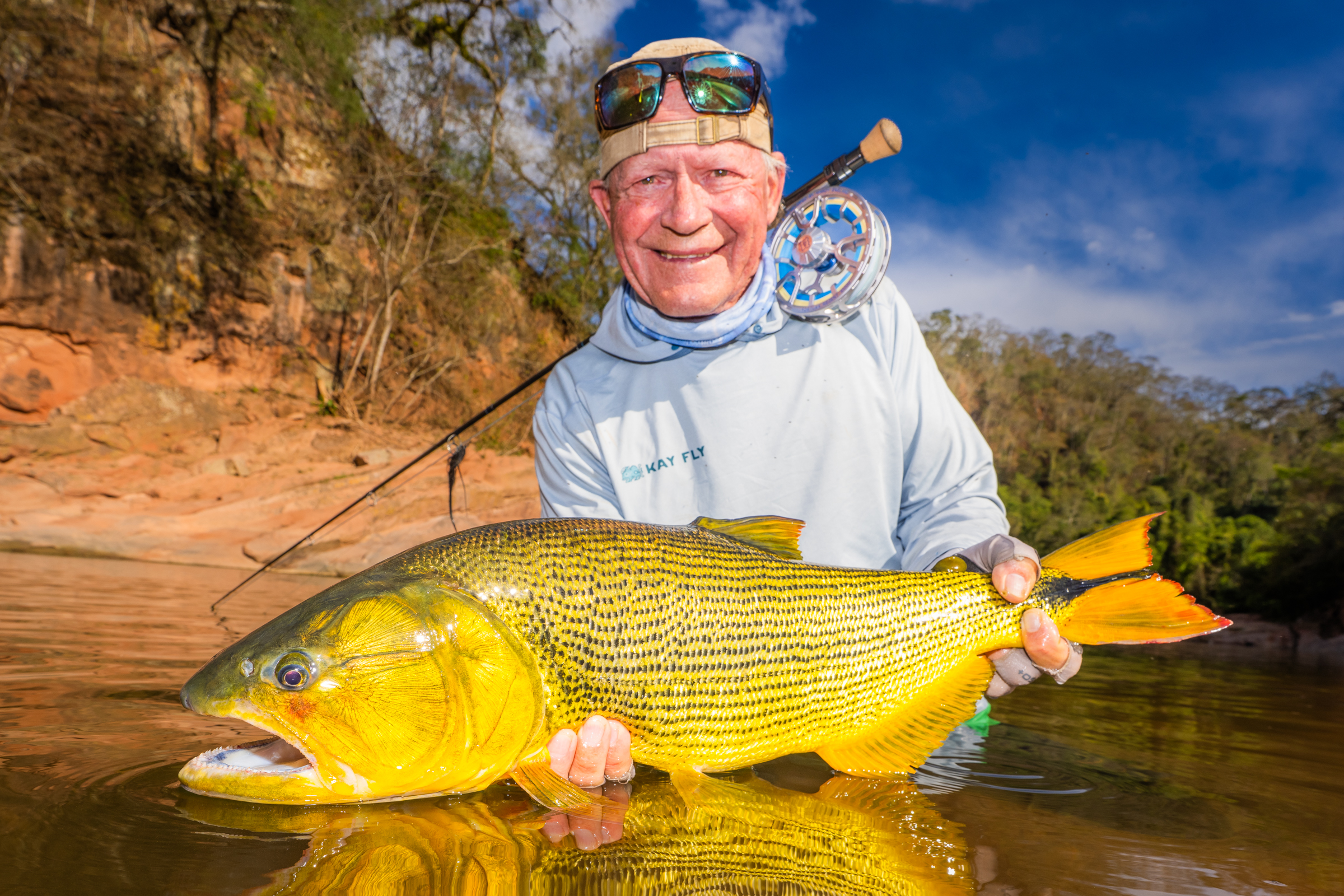
A colossal golden dorado, bigger than any I'd ever seen, or even dared to dream of seeing, ghosted up from the depths, right in front of me. It seemed impossibly huge in this tiny stream. Still, it was there, swimming casually downstream, oblivious to our presence and, by sheer chance, perfectly situated to see my fly. I sped up my retrieve, and the colossal fish saw the fly and attacked it with the savage violence that these fish are singularly renowned for.
I set hard, and just for a moment I was attached to one of the most astonishing creatures I’ve ever seen.
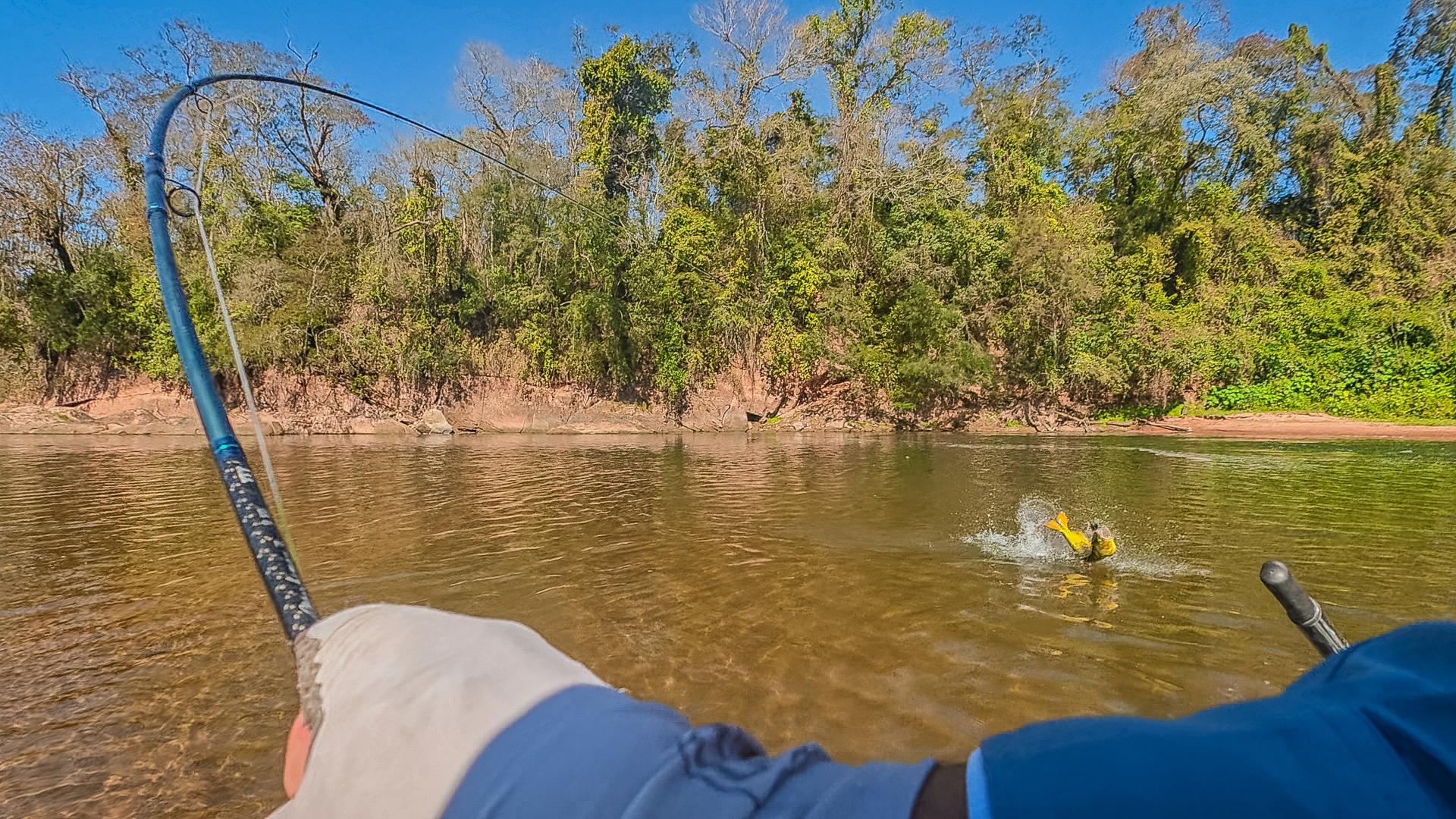
The huge dorado shook its head and then, sickeningly, the line parted at the Albright knot that attached the IGFA compliant 40-pound wire trace, and that great big bundle of golden violence was gone. I had no right to feel hard-done by. The previous day, I’d caught a fabulous trophy fish—a big golden monster that was more than I dared hope for—but THIS fish, this fish was in a different league entirely. It was impossibly large.
I’ll never forget it.
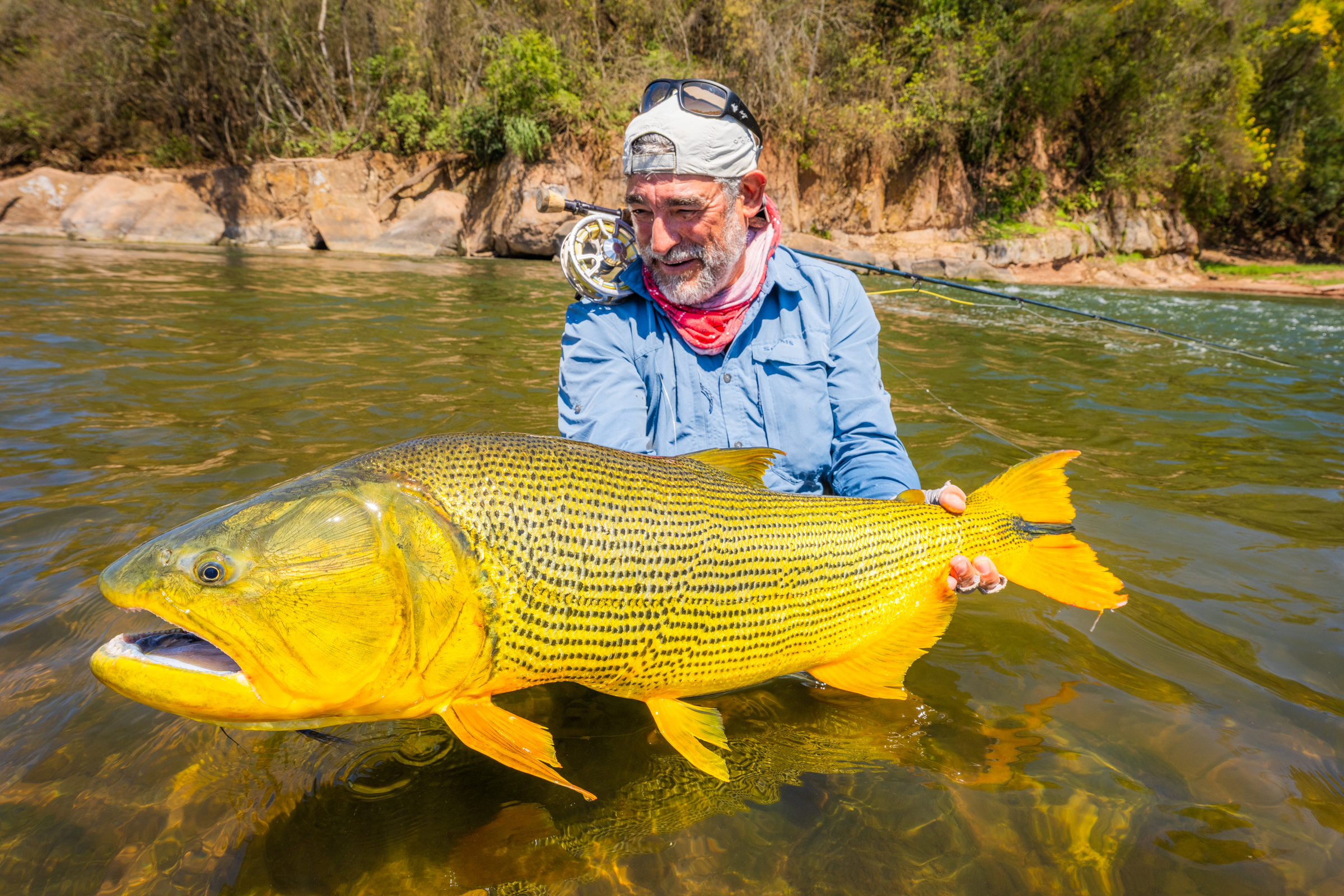
I’ve been chasing Salminus brasiliensis, golden dorado, for well over twenty years. I caught my first dorado in the Pantanal in Brazil in 2003, and despite its relatively modest size, I was instantly captivated. I’ve been lucky. I’ve caught a million sparkling silver fish: salmon, bonefish, tarpon, and the rest, but this was something else, a 24-carat golden marvel that took my breath away as it gleamed in the morning sunshine.
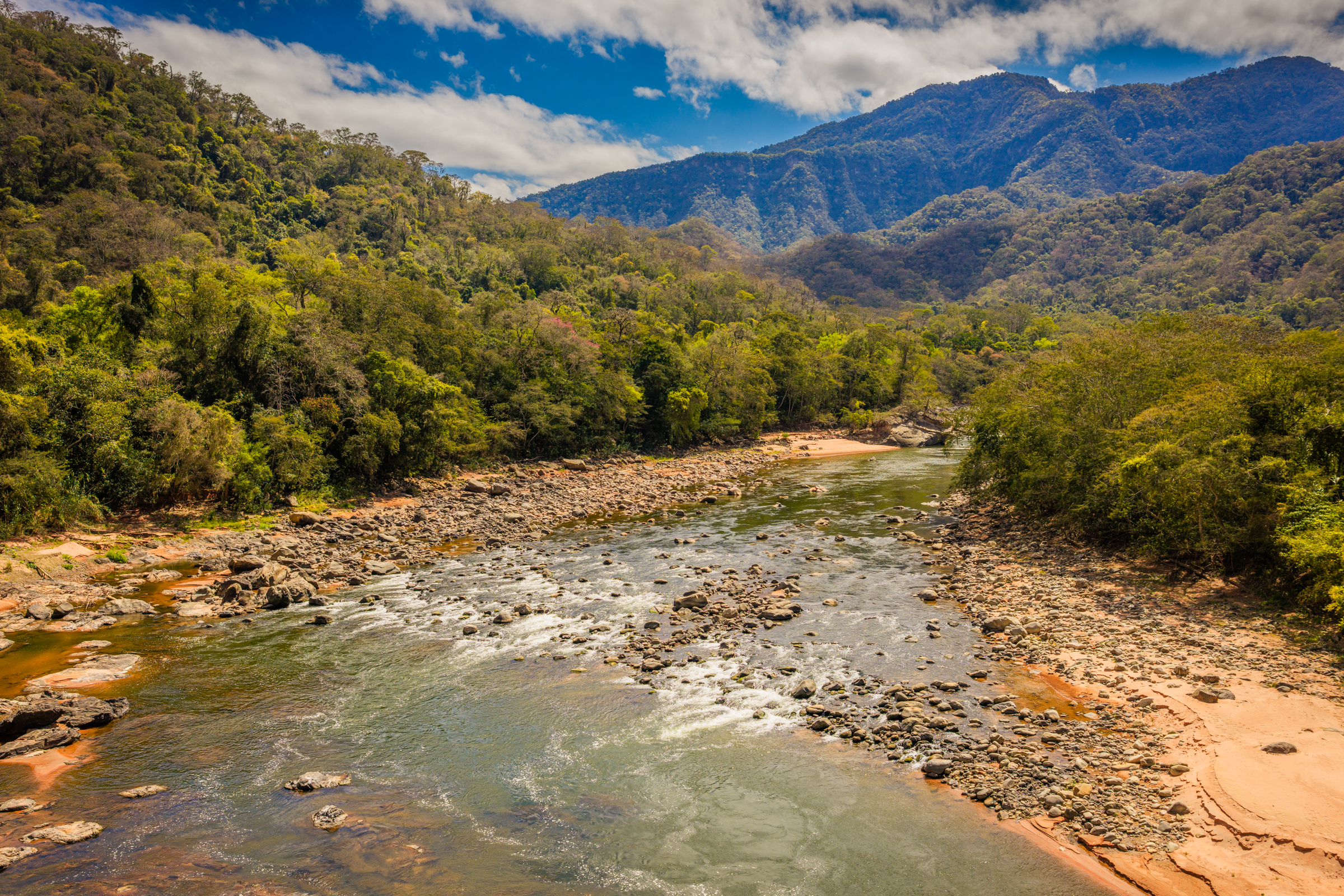
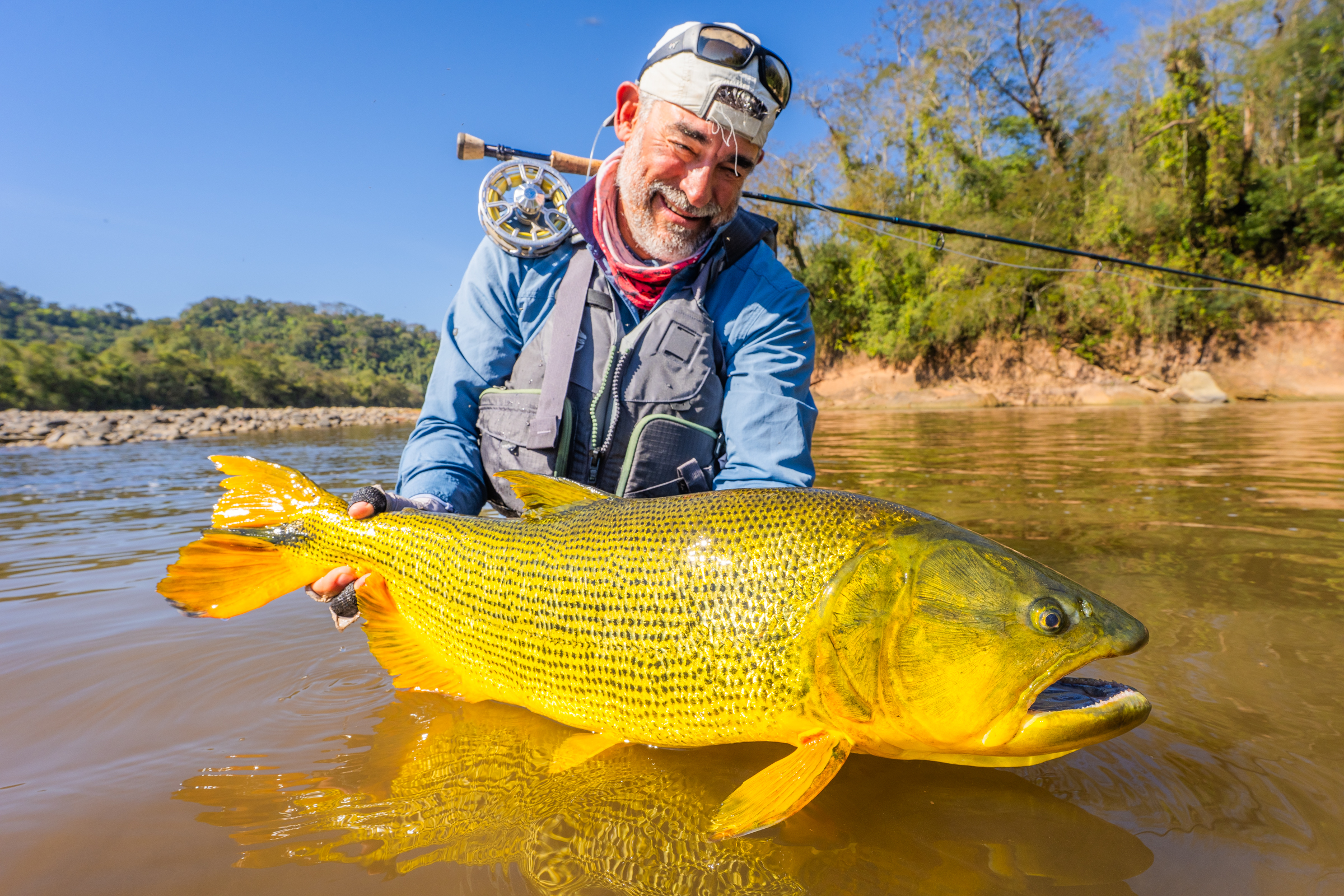
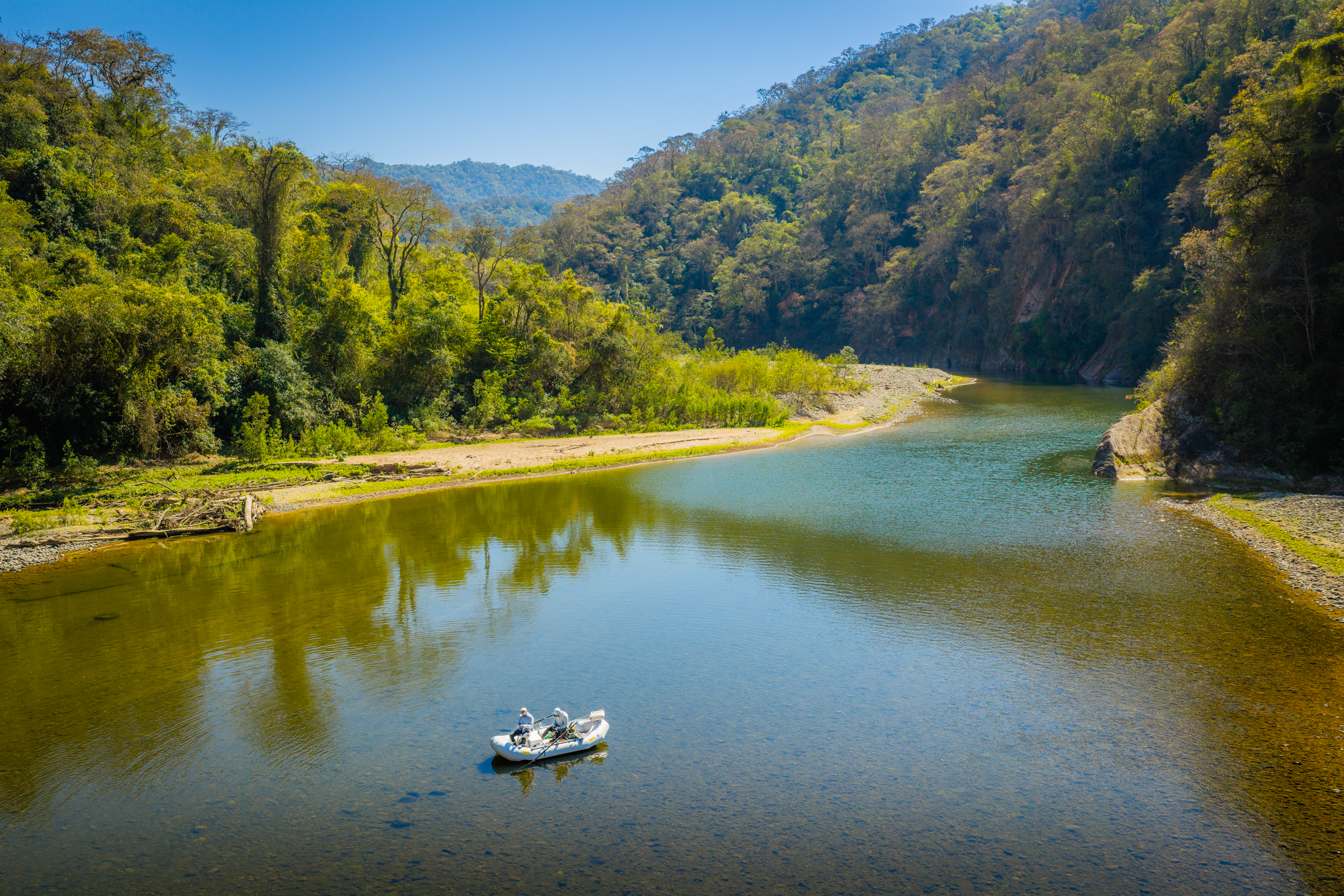
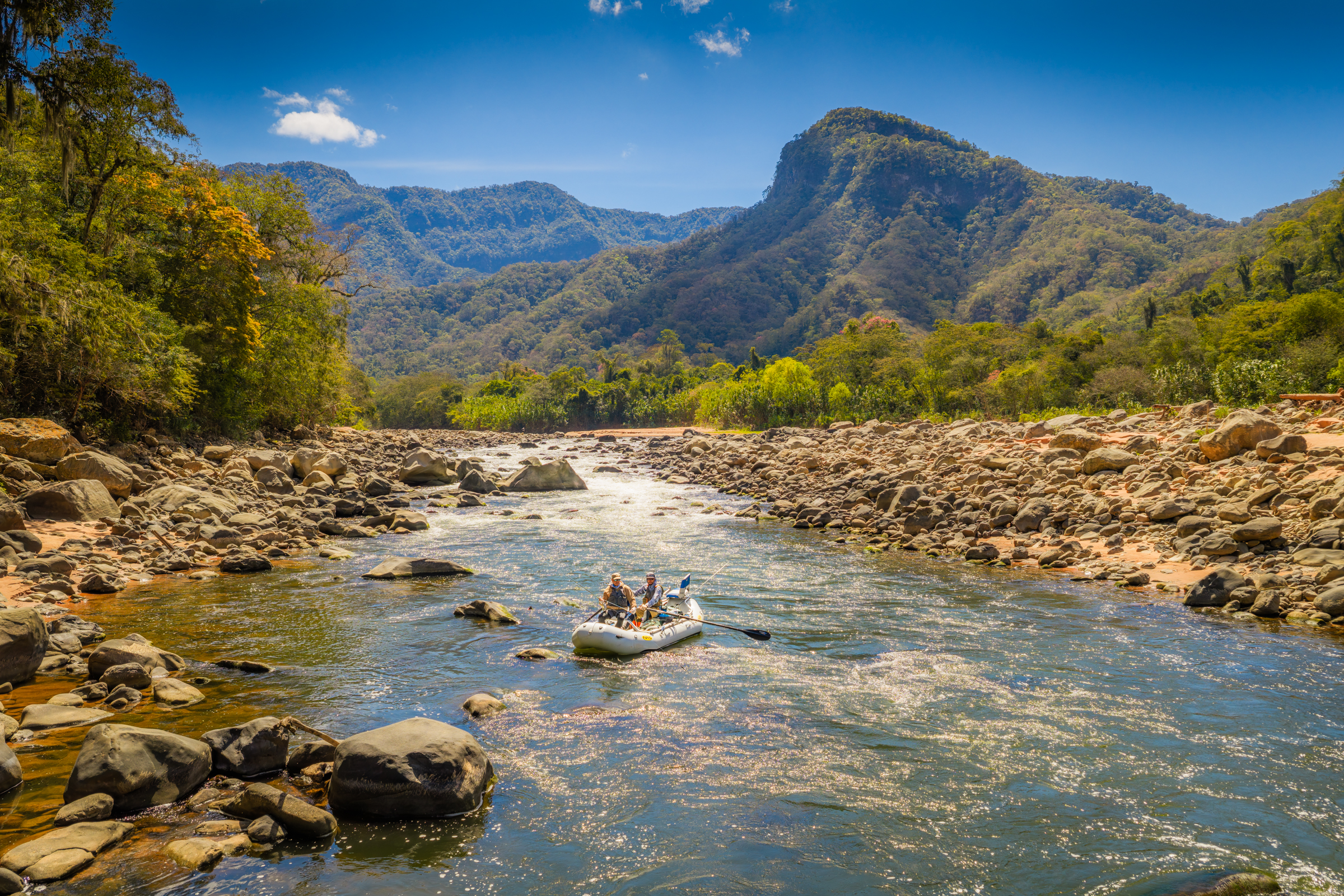
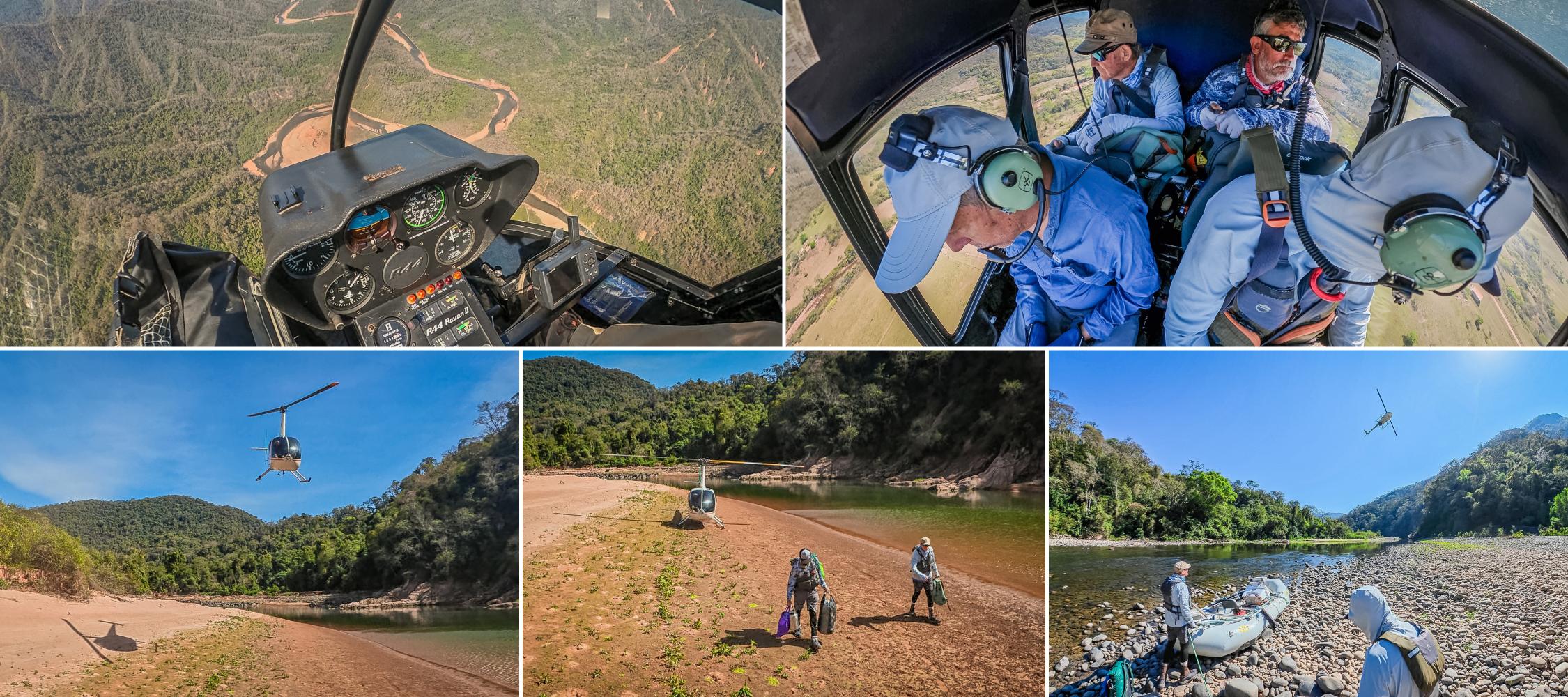
Two years ago, Marcelo told me about a new operation that he was in the process of pioneering. He talked passionately about a remote river where huge dorado from beyond an angler's wildest dreams swam unmolested in clear mountain waters. High up in the remote Yungas forests of southwest Bolivia, the Tarija River comes snaking down out of the Golden Mountains, a range of craggy peaks that mark the Eastern edge of the mighty Andes.
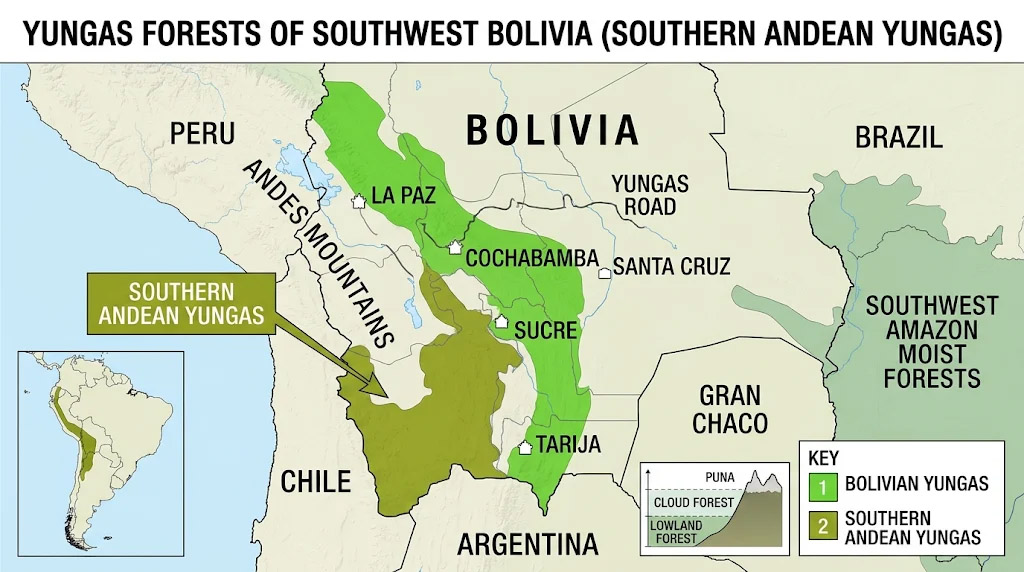
The “Yungas” is a magical land.
Yungas is a Quechua and Aymara word meaning warm valley. Bolivia’s altiplano makes an abrupt and spectacular stop at the Cordillera Real. On the eastern side of that wall, the land falls away for thousands of feet in a single, uninterrupted slope down towards the Amazon basin.
The Yungas is that slope.
 In Marcelo’s opinion, this is the most important part of the long-term sustainability equation. The objective is not simply to ensure that the anglers have a minimal impact. It is to use a very low-impact fishing operation to help create the funding, local involvement, and the permanent presence necessary to protect the river throughout the year. Ultimately, Marcelo believes that the measure of success will be whether the Tarija River is better protected because his project exists.
In order to sustain the fishery, Marcelo believes that it is crucial to understand the fish, notably their movement. Marcelo accepts that this understanding is in its infancy. Untamed only began operating in Tariquía in 2025, and the biological research on the river’s population of golden dorado is still at a very early stage. Marcelo is keen to assert that we must distinguish between what we know scientifically and what the river is already telling us empirically.
One of the most interesting questions is whether these fish are truly migratory or whether a significant part of the population is resident within the protected section of the Tarija River.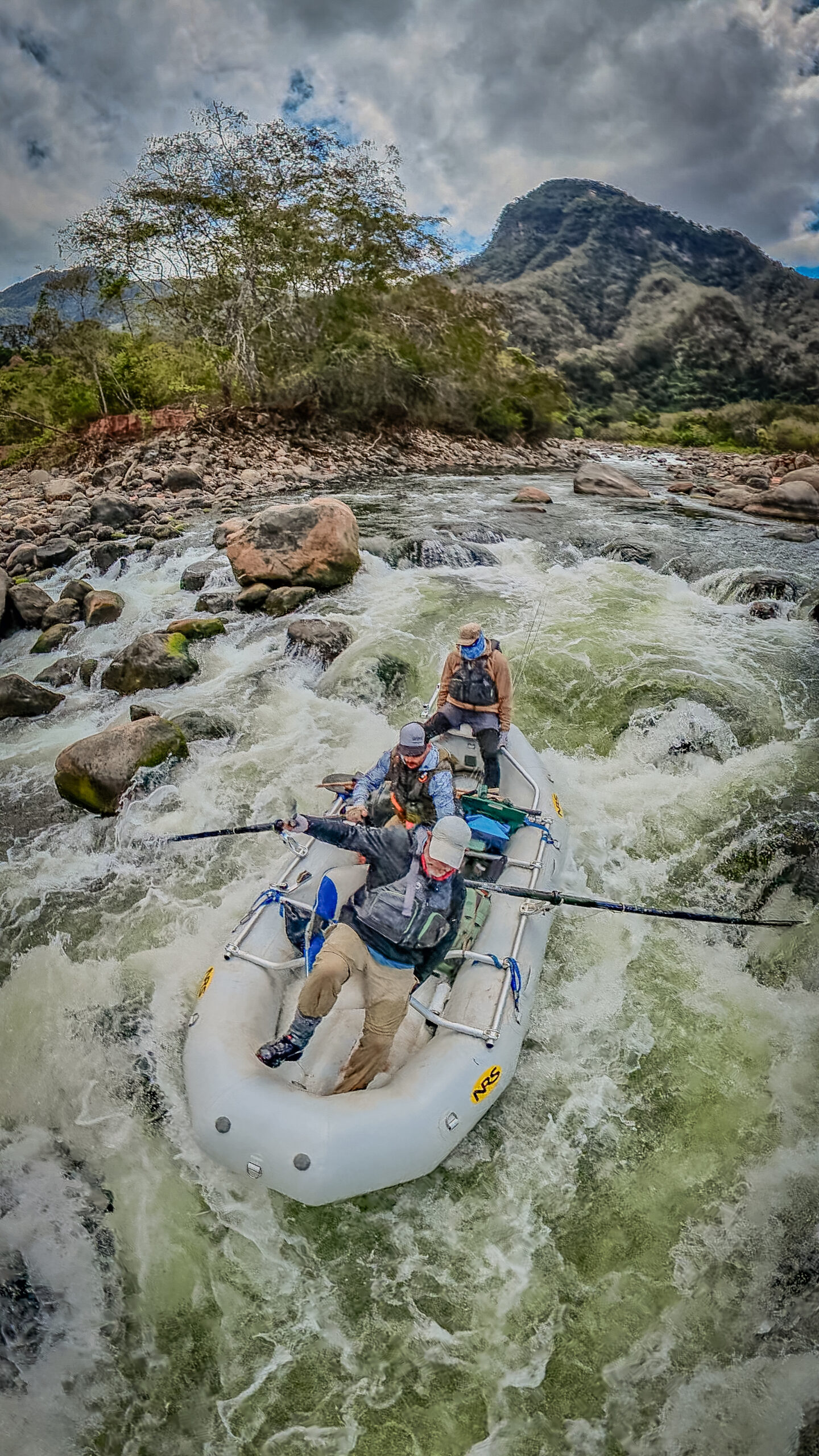
Downstream from the reserve, fishing pressure becomes extremely intense. Fish are harvested with nets and other methods, and there have even been reports of illegal fishing with explosives. Inside the reserve, by contrast, there are more than 120 kilometers of river offering a very different environment and a substantial refuge from that pressure. For that reason, Marcelo’s working hypothesis is that many of the large dorado that have been encountered in the Reserve are largely resident within this protected section of the river, moving within it rather than making extensive migrations downstream. However, Marcelo is very keen to emphasize that this is still a hypothesis based on observation and experience, and not (yet at least) a scientific conclusion.
He notes that he has witnessed something that may be analogous in another dorado fishery that he knows extremely well. At La Zona, below Salto Grande Dam on the Uruguay River, where Marcelo began working in 2001, extraordinary numbers of very large dorado concentrated within a one-kilometer-long exclusion zone immediately below the dam. Just 15 kilometers downstream are the cities of Concordia in Argentina and Salto in Uruguay, where the fish historically faced much greater fishing pressure. Over time, Marcelo observed large dorado using that very small protected area not simply as a temporary refuge, but as habitat where they could feed and remain for extended periods. Dorado are remarkably adaptable fish. Marcelo’s experience over many years has shown him that when they find habitat that provides food, suitable conditions, and protection from intense fishing pressure, they can make extraordinary use of relatively limited areas.
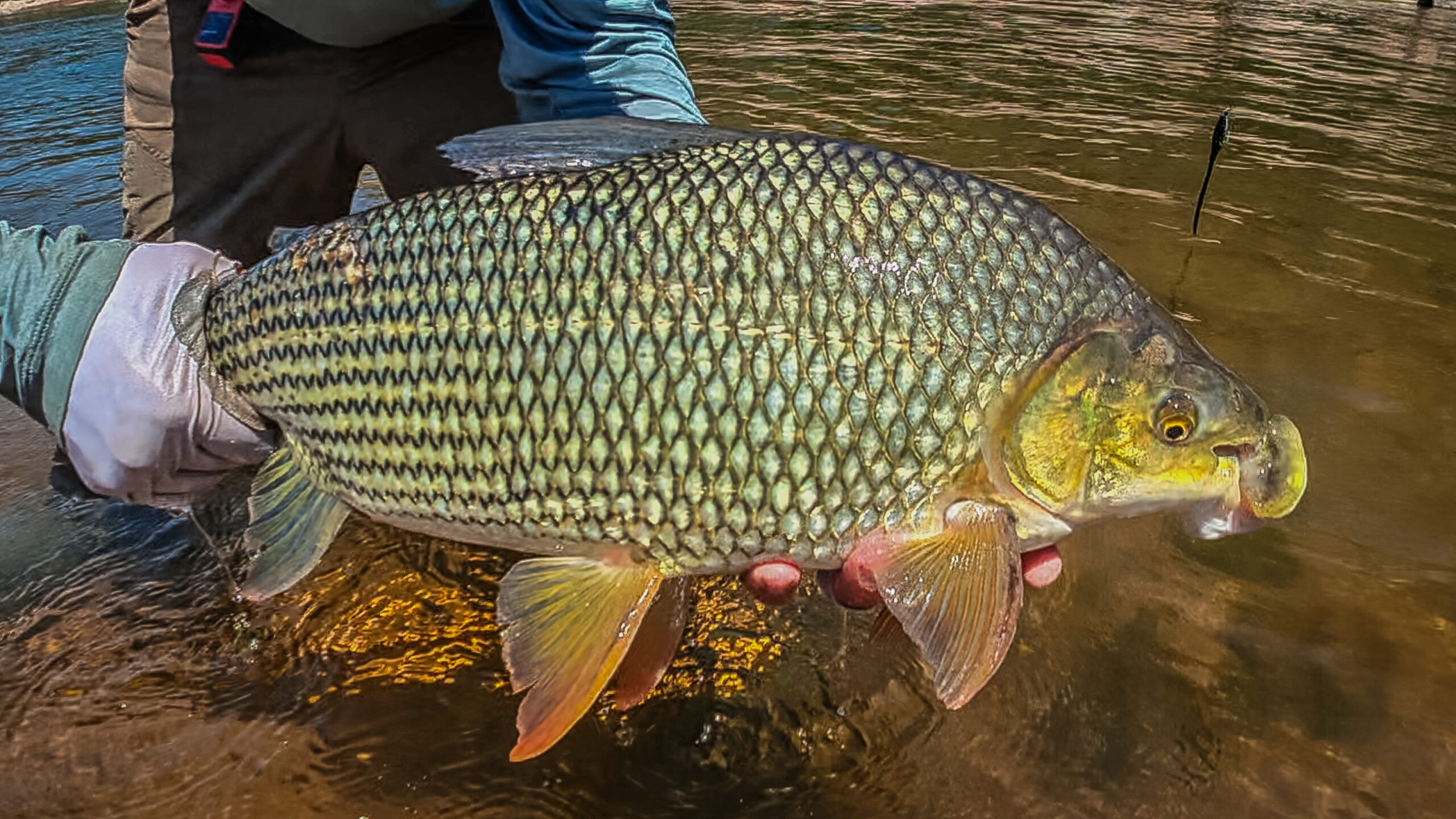
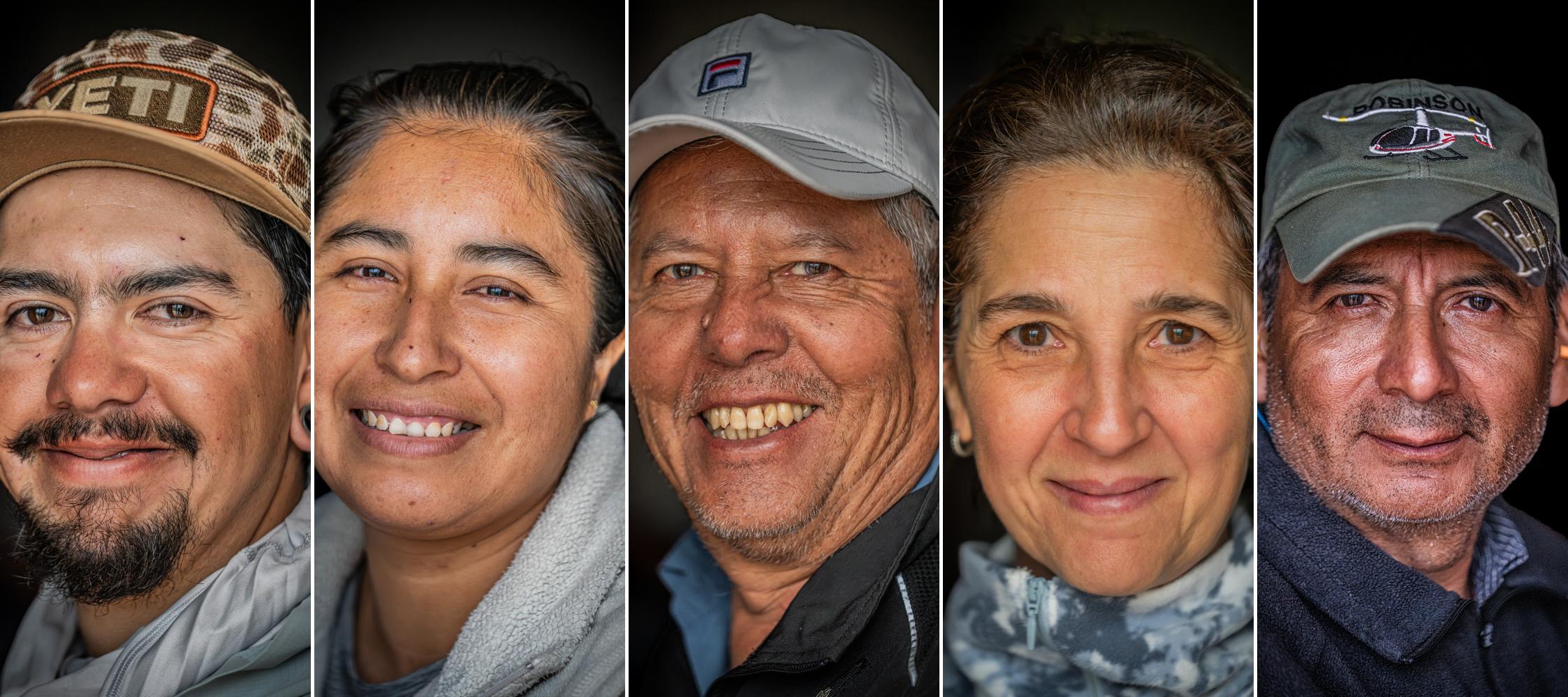
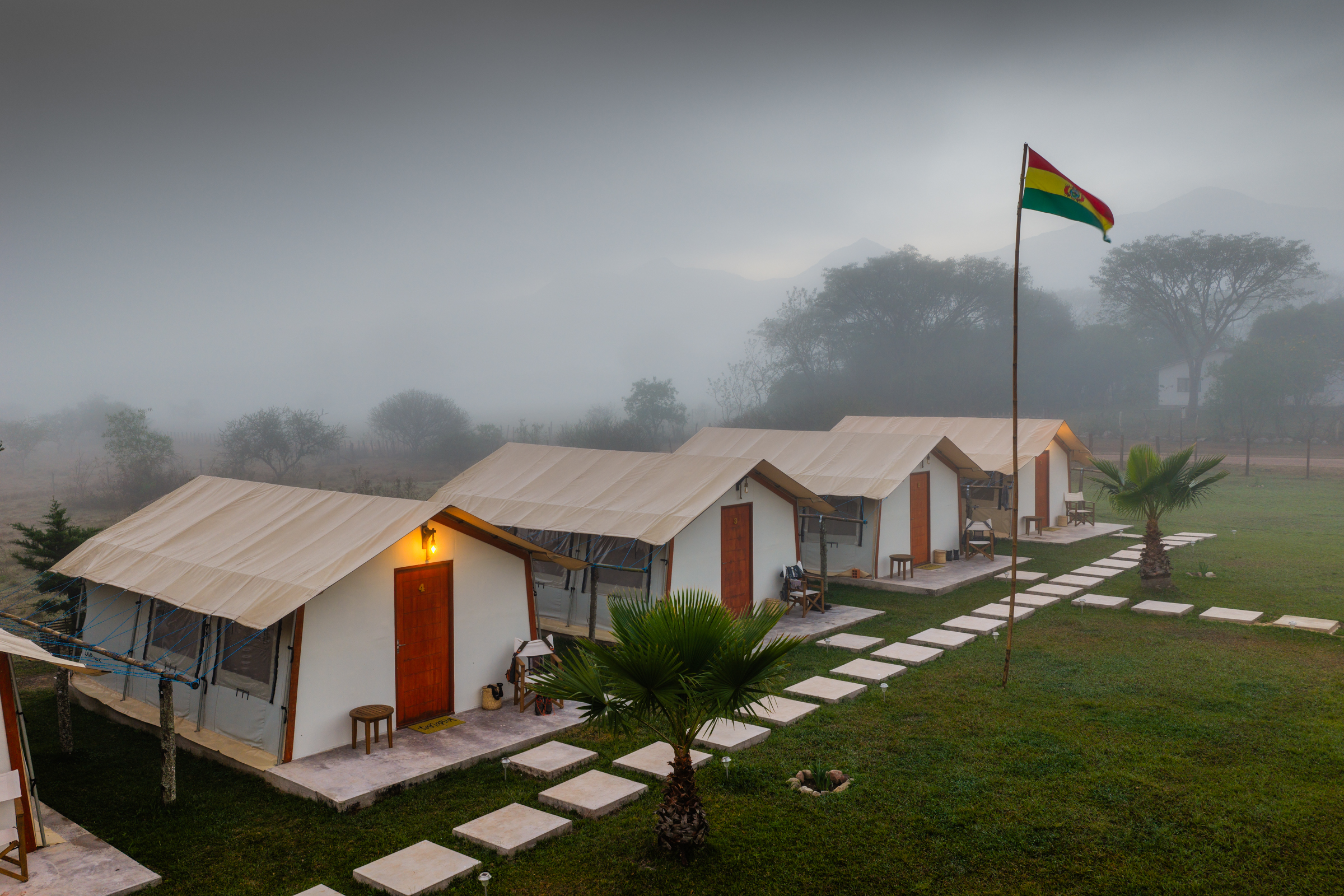
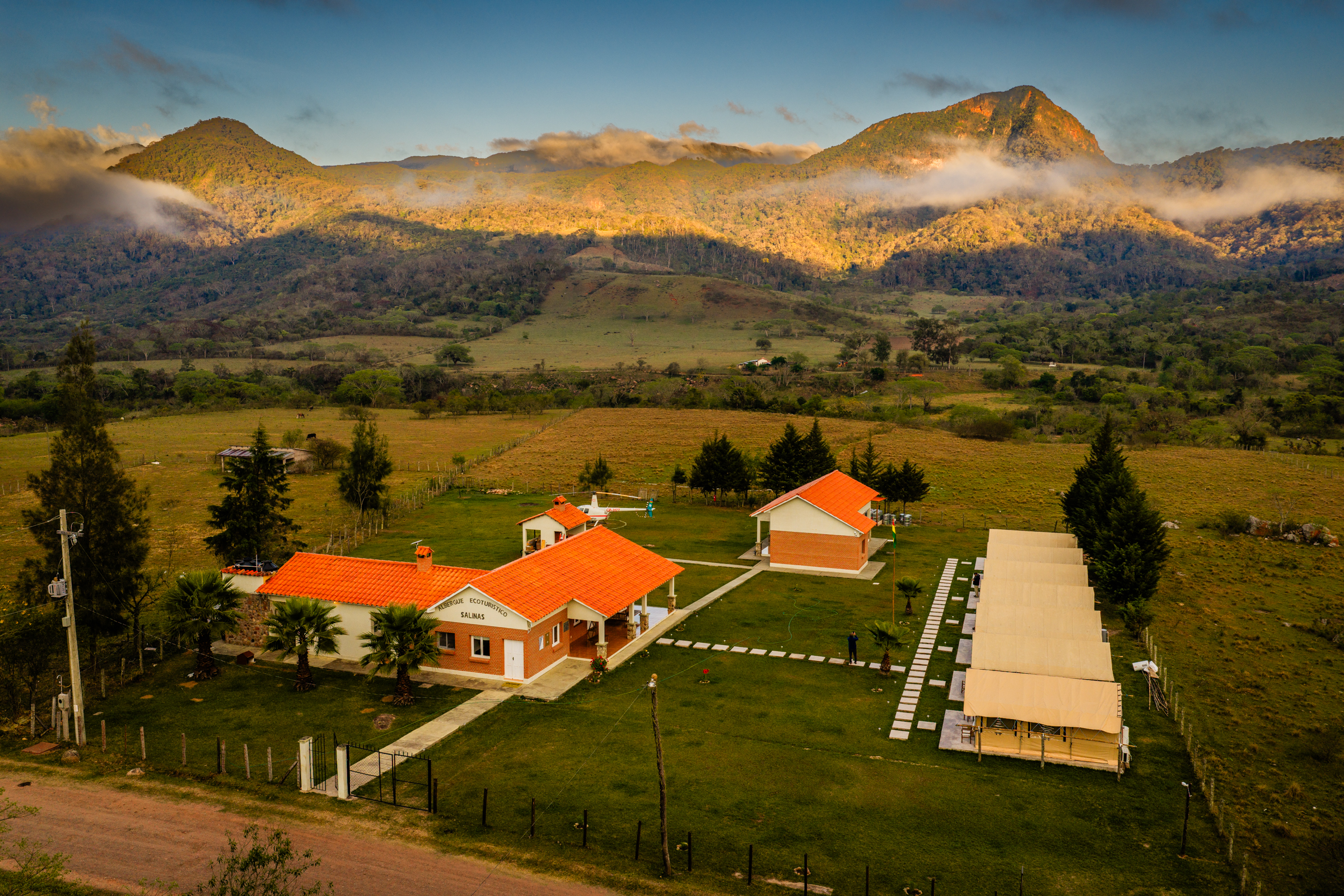
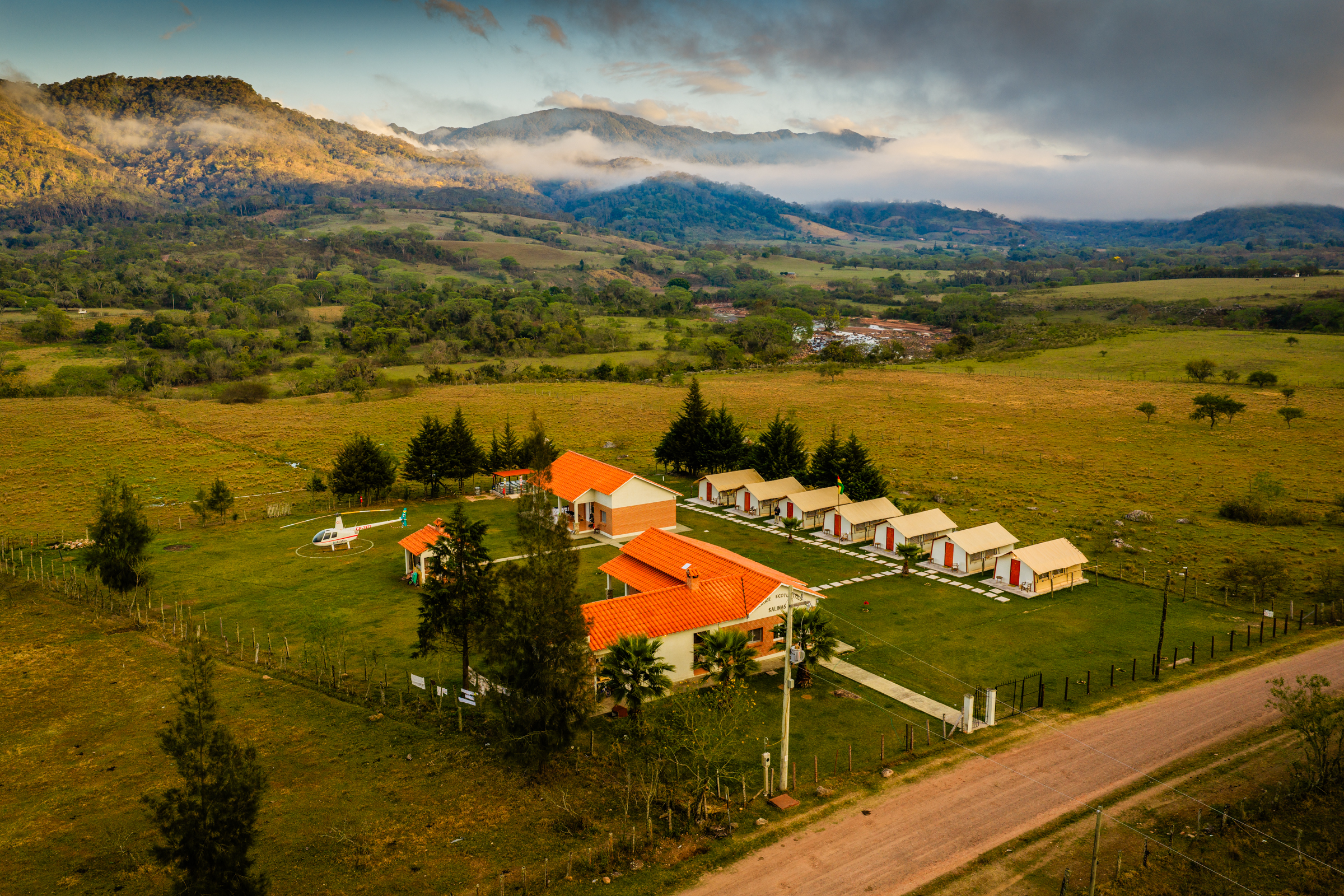
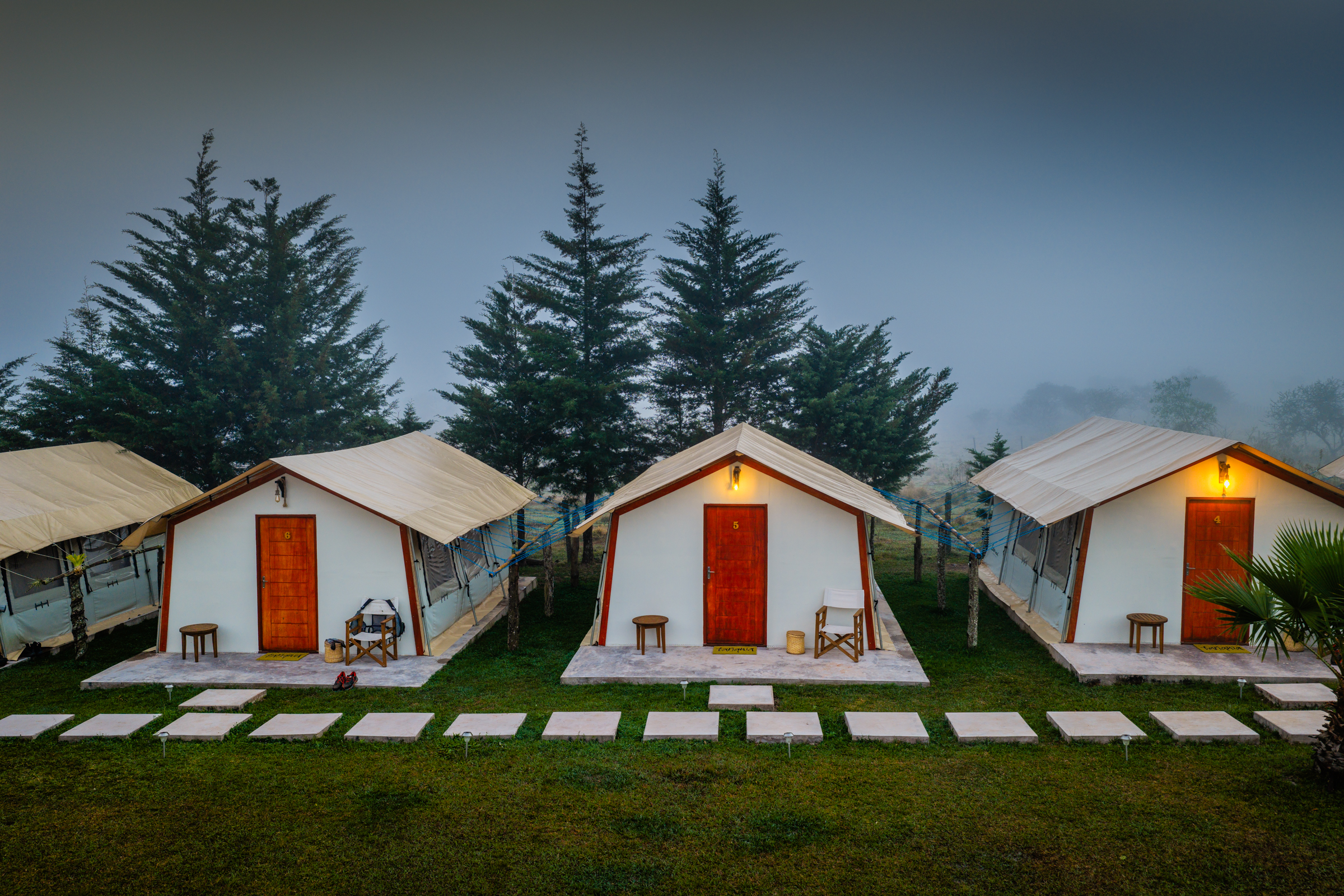
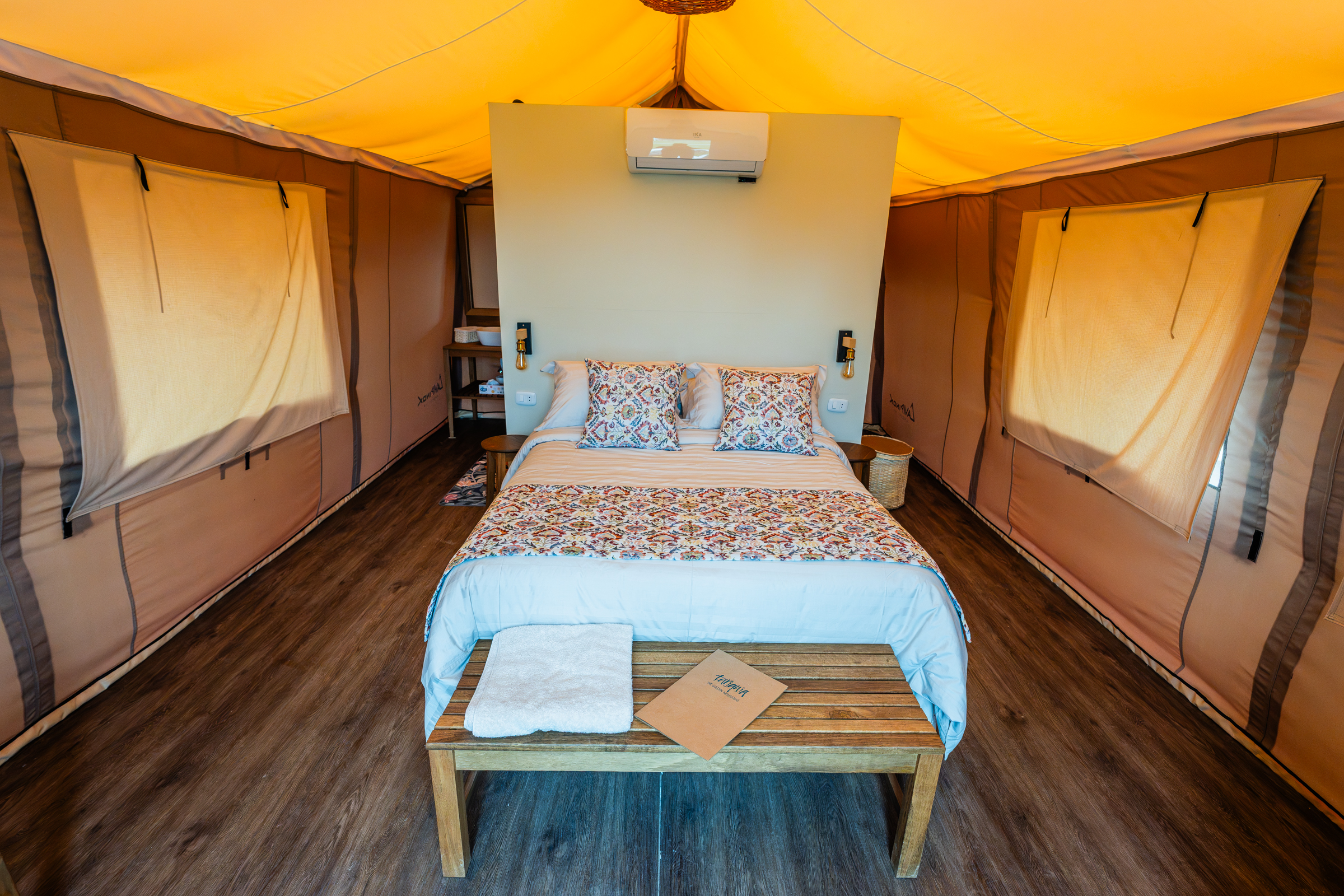
Untamed Angling also made a deliberate decision not to build a completely separate lodge. Instead, they based the operation at an existing community-owned hotel in the Salinas area. Marcelo invested substantially in renovating and expanding the property, adding individual guest accommodation in the form of warm, luxury tents, providing reliable electricity, heating and air conditioning, and bringing the facilities to the high standard required for an international fishing operation. Untamed Angling pays rent to the Salinas communities for the use of the hotel, and they also employ local people to work there. So rather than creating an isolated tourism operation, they have tried to integrate the economic activity into infrastructure and into aiding communities that were already there.
Untamed also works closely with SERNAP, Bolivia’s National Service of Protected Areas. At present, they are financing six protection posts within the area, and they are in the process of formalizing a broader cooperation agreement. Under that agreement, Marcelo intends to provide funding directly to the reserve administration so that it has additional resources for surveillance and protection of the river. He also plans to finance five park rangers year-round, selected from the local communities, whose work will be specifically focused on protecting the river.
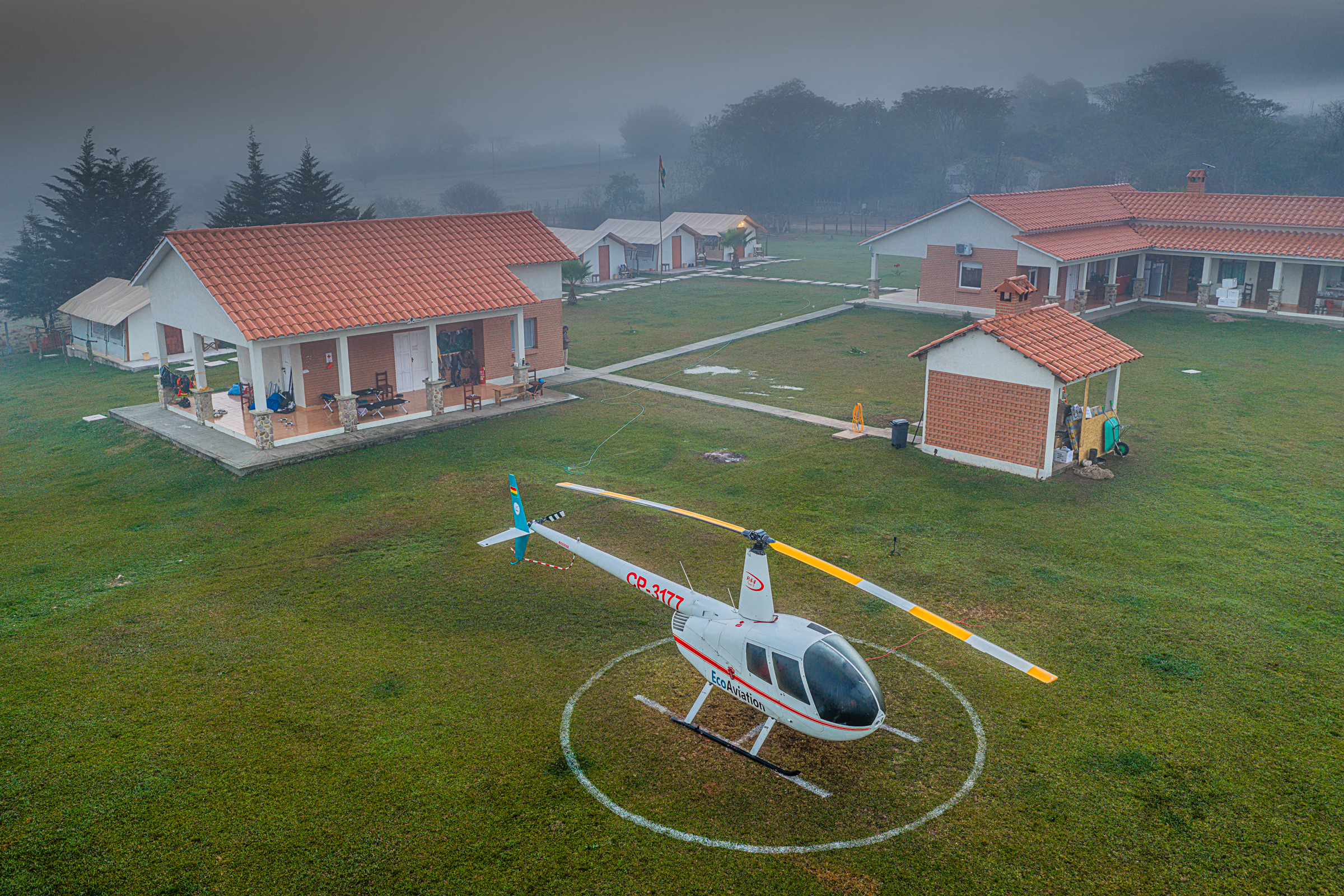
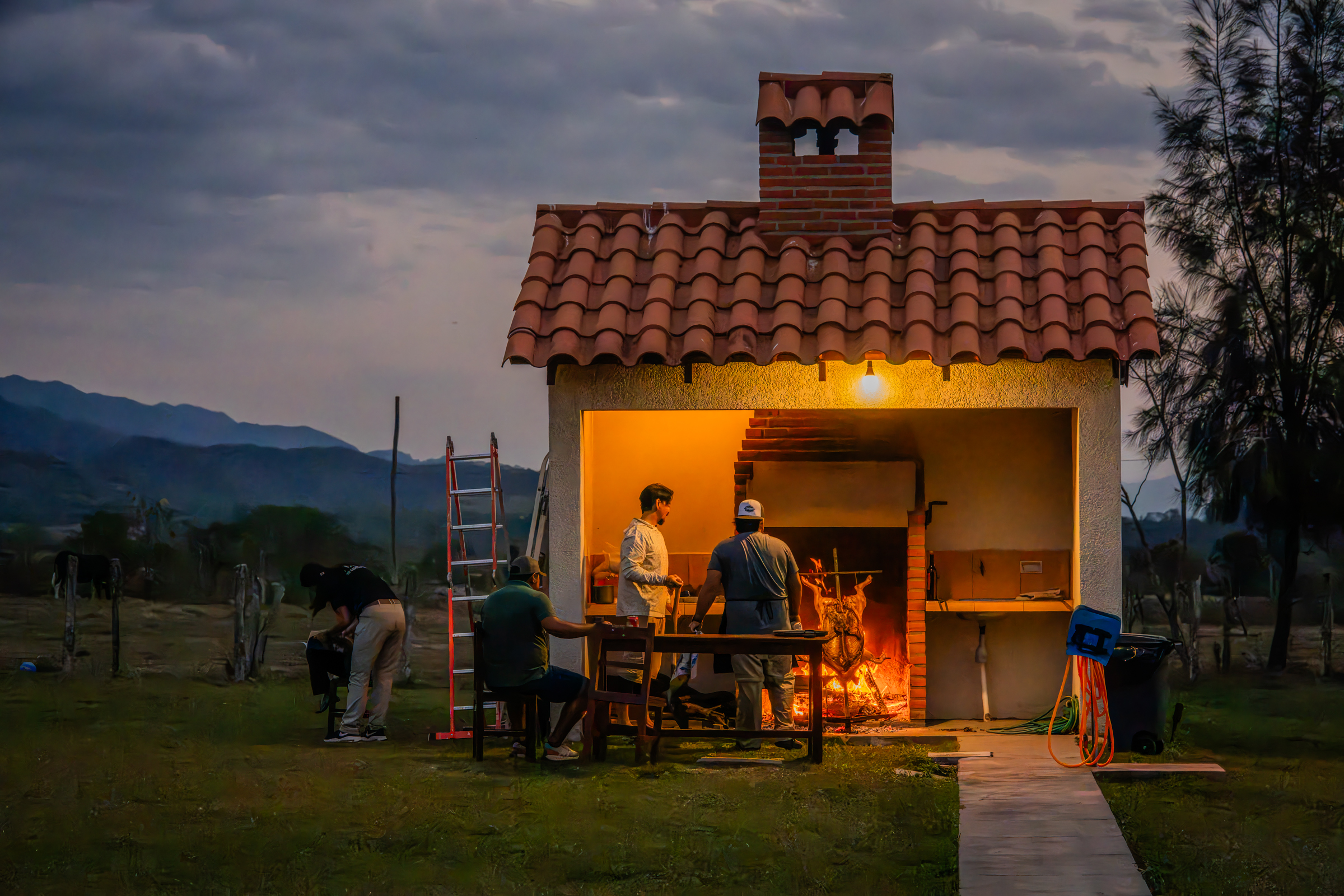
For Marcelo, these different elements are connected. The anglers generate revenue; part of that revenue goes directly to the communities; the operation creates local employment and supports community-owned infrastructure; and at the same time, the project provides additional resources for permanent protection of the river. The long-term objective is to create a situation in which keeping the Tarija River healthy and full of fish has tangible value for the people who live around it.
Marcelo is keen to emphasize how extraordinarily unique the fishery is. The principal challenge is protecting it effectively. If the project can reduce the fishing pressure and give these fish genuine protection, he believes the potential of the Tarija River is terrifically exciting. The Tarija lies in the upper reaches of the Paraná Basin, in a very unusual mountain environment. It is a steep, powerful river with tremendous current, and one of the things that has fascinated Marcelo from the beginning is the morphology of its largest dorado.
These fish look different.
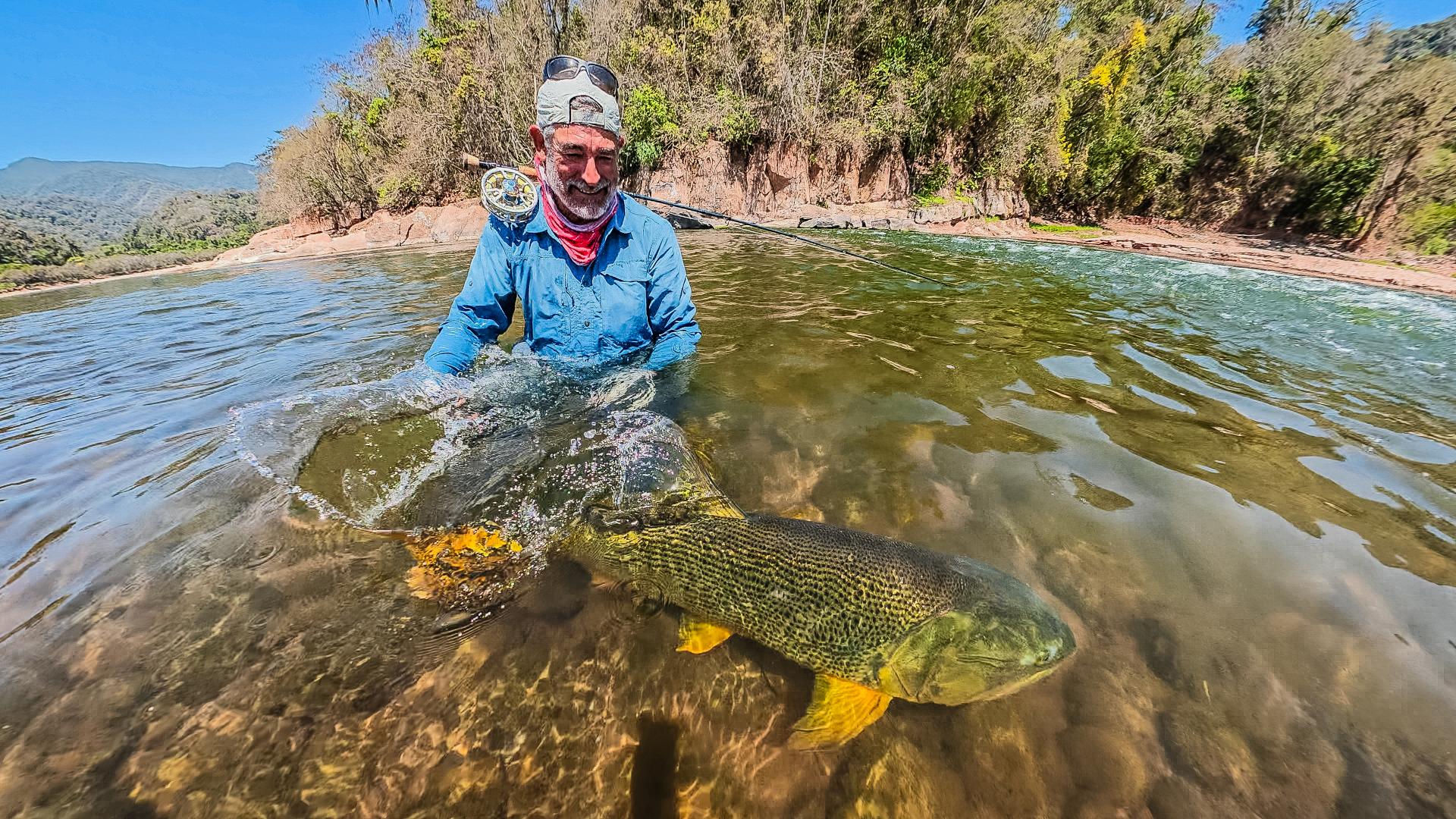
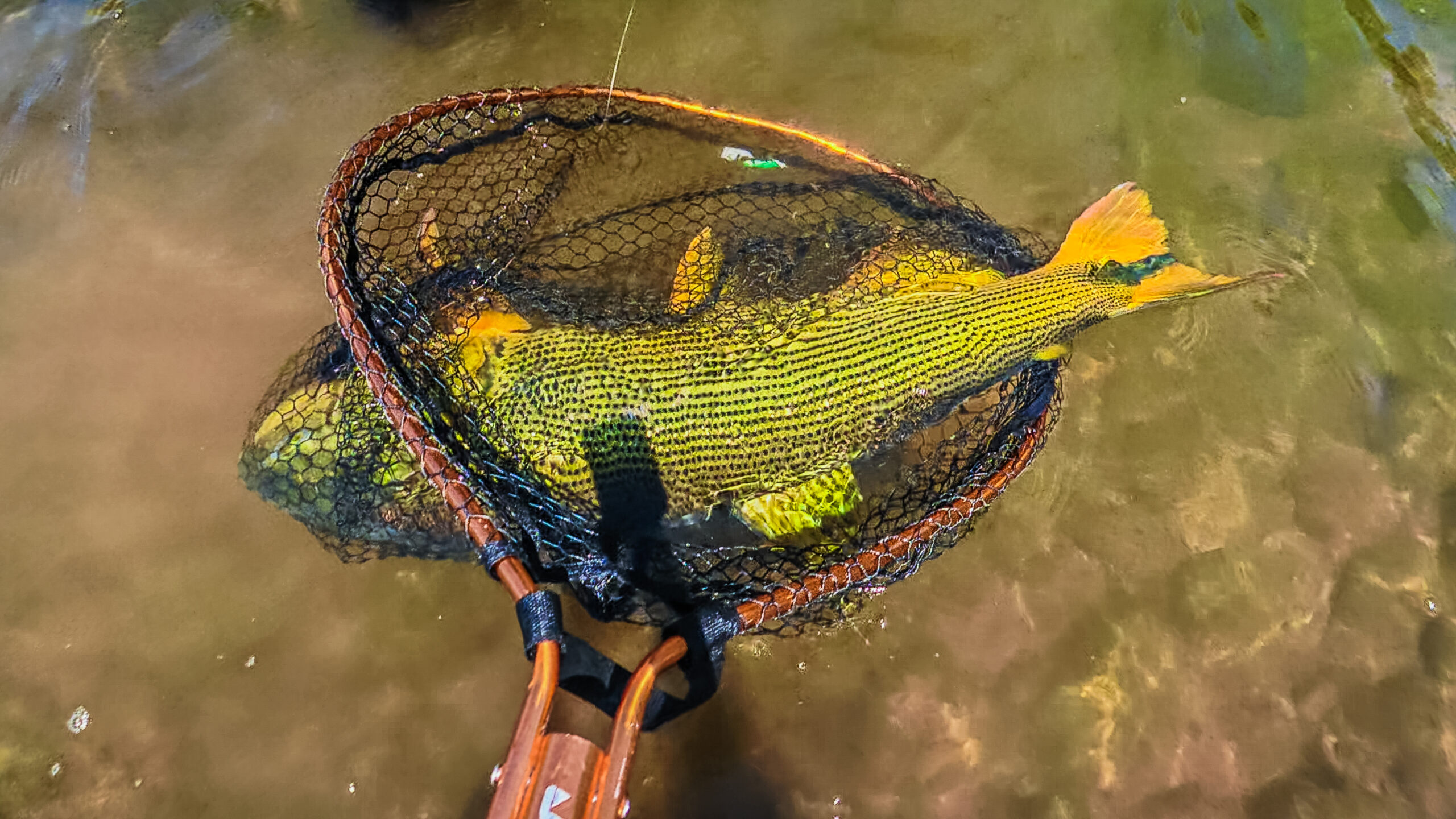
The big Tarija dorado tend to have exceptionally large fins and tails and extremely developed musculature. Marcelo has also noticed a distinctive shape to the head: many of the larger fish have a more pronounced snout, with a slight downward curvature that we do not normally see to the same degree in dorado from Tsimane or from the lower Paraná–Plata system. It is not yet established as to what these differences mean scientifically. It would be premature to suggest that we are looking at a different subspecies or a genetically distinct population. They may simply represent morphological adaptations associated with living in an exceptionally powerful, high-gradient river. That is something biological research will eventually answer.
There is another observation that makes this particularly interesting. Marcelo and his guides repeatedly find some of the largest dorado holding in the most powerful currents in the river—in places where you would expect almost any fish to struggle simply to maintain its position. These big dorado appear completely comfortable there.
Marcelo’s suspicion is that their extraordinary musculature and large fins give them an advantage in that environment. Holding in those currents may also create an extraordinary feeding opportunity: when a sábalo or another prey fish loses its position in the current, a large dorado capable of controlling that water is in an ideal position to attack. Again, these are observations rather than scientific conclusions. But after spending so many years fishing for dorado in very different environments, the physical characteristics of the Tarija fish immediately caught Marcelo’s attention, and the same was true for the rest of his team.
How big can the fish of the Tariquía reserve grow? Well, it is already established that Tariquía holds exceptionally large fish.
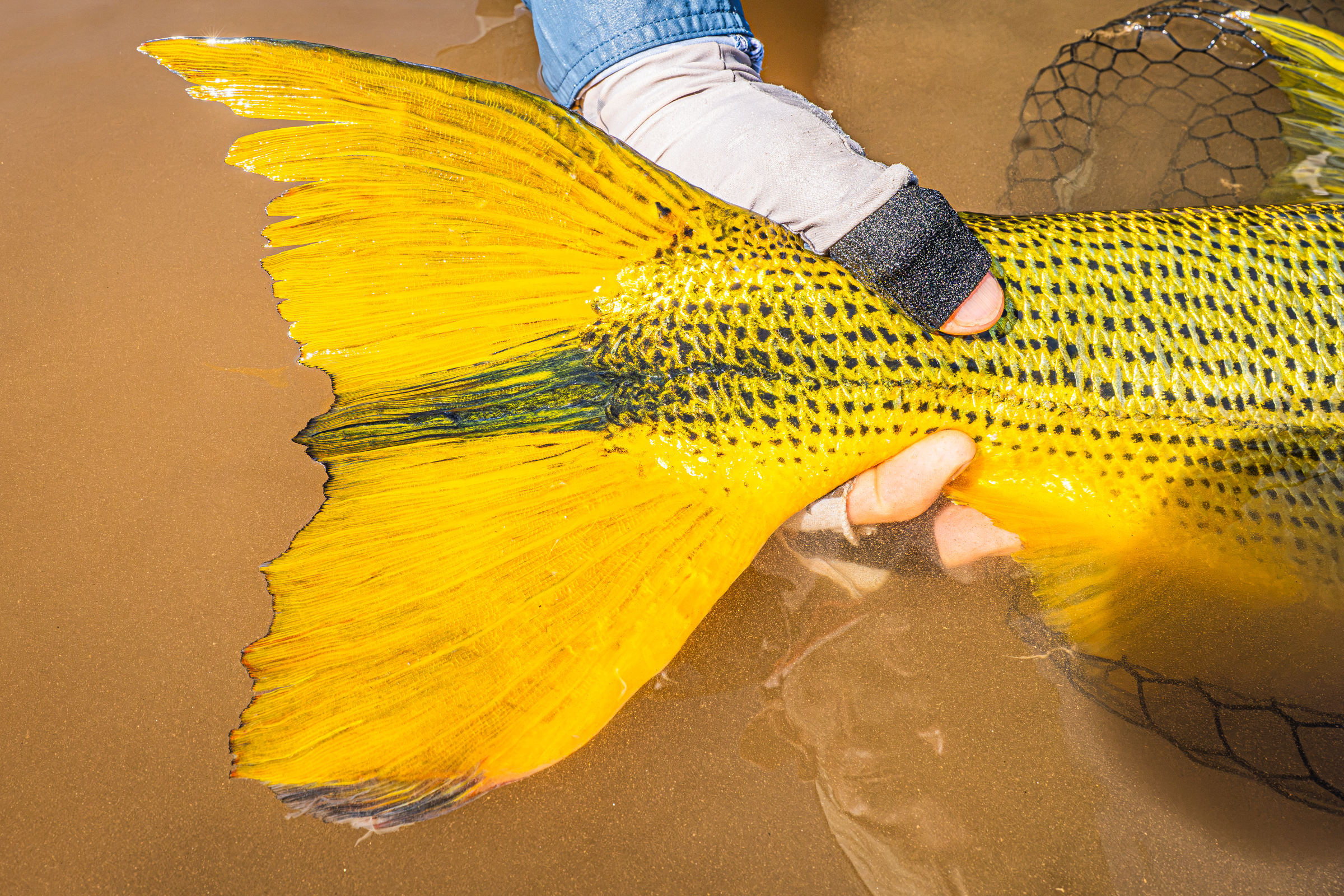
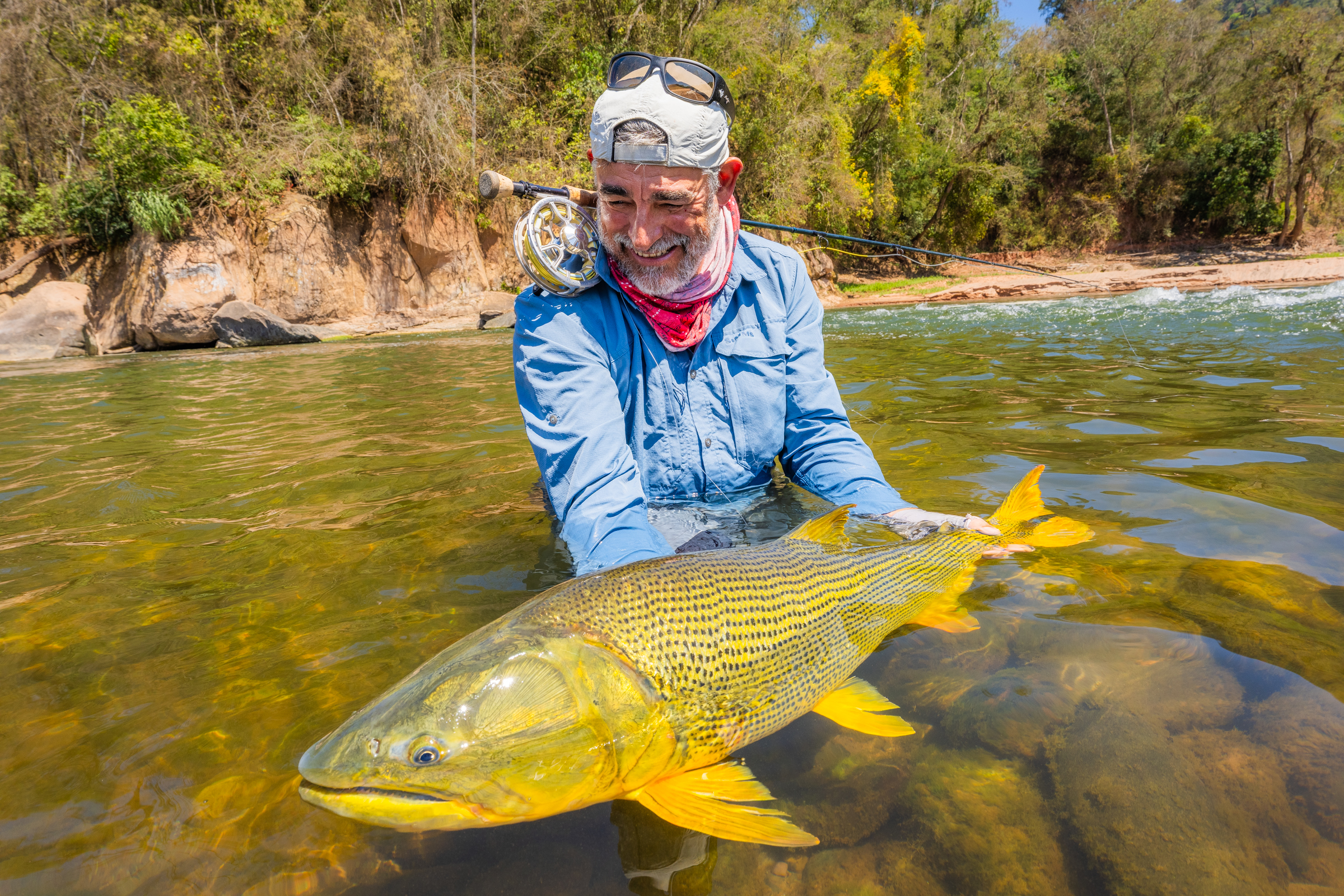
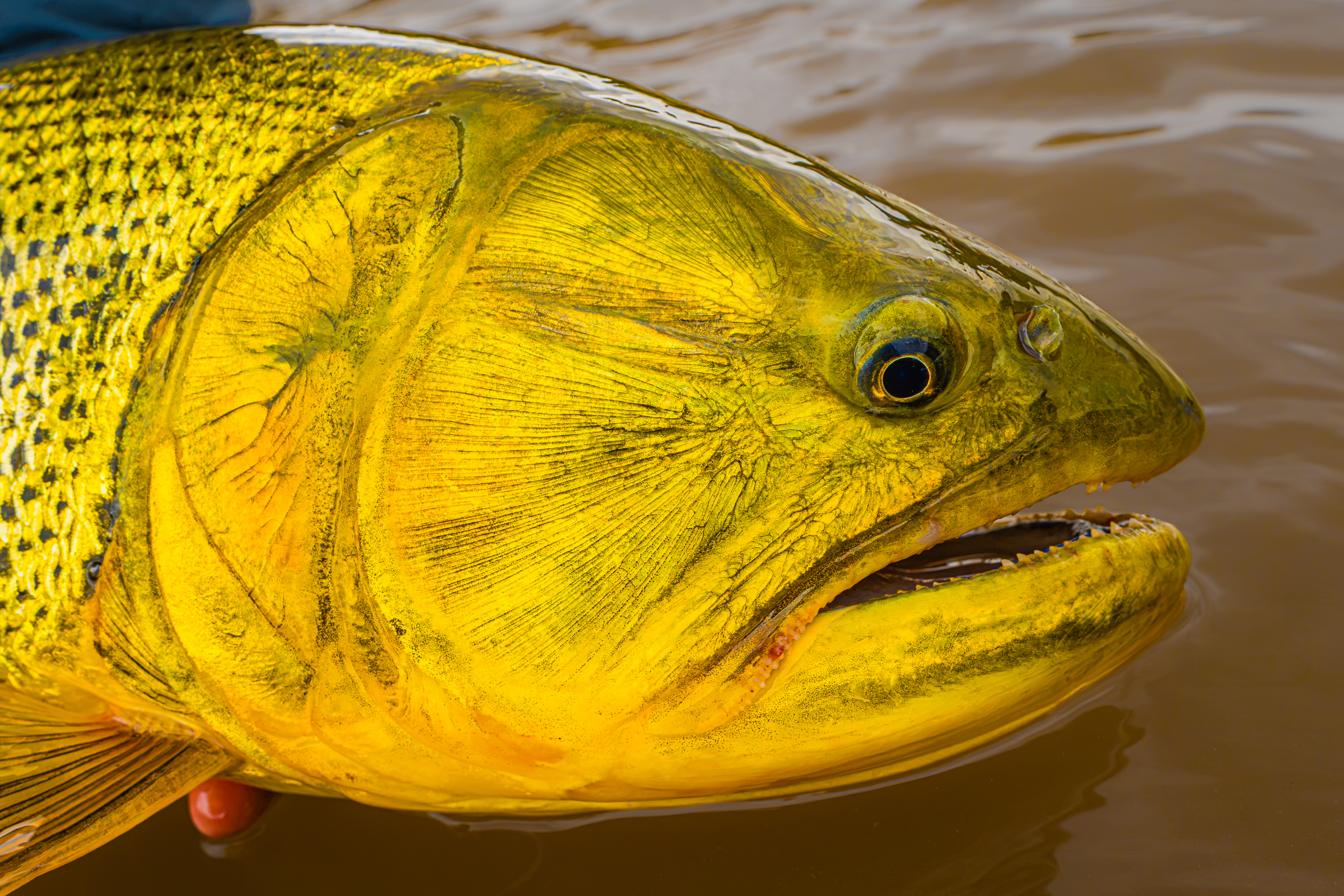
During the 2025 season, Marcelo personally caught a dorado measuring 108 centimeters. It was an extraordinary fish—not simply long, but incredibly powerful, with an enormous head and remarkable musculature. One of Tariquia’s guests subsequently caught another fish measuring 109 centimeters.
Had that 109-centimeter fish been properly documented and measured according to IGFA International Angling Rules, it could potentially have qualified at record level in a length category. Untamed Angling were not attempting to certify a record at the time, so Marcelo is keen to state that he would not make that claim retrospectively, but these two fish both give an indication of the caliber of fish this river can produce. It is undoubtedly clear after just two seasons that there are genuinely enormous golden dorado in the reserve, and that they are exceptionally and perhaps uniquely powerful.
How much larger can they grow? That is one of the fascinating questions Tariquía still has to answer, Marcelo admits that he simply does not know the answer just yet.
I, for one, am determined to help in finding out.
Matt Harris was talking to Marcelo Perez of Untamed Angling. If you want to join Matt on a visit to Tariquía in 2027, contact him at [email protected].
You can contact Untamed Angling directly via their website.
Count Your Dorado Catch Toward the
IGFA South American Royal Slam and Master Angler Award
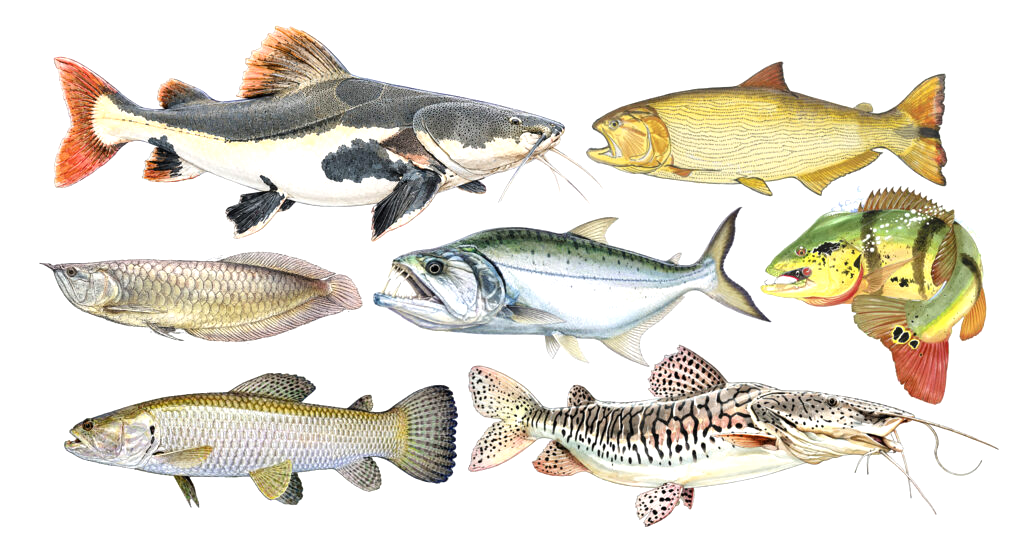
 The IGFA South American Royal Slam, recently developed with the support of IGFA's South American Regional Council, recognizes anglers who target the continent's diverse freshwater game fish.
To complete this lifetime achievement, anglers must catch seven specific species in South America according to IGFA International Angling Rules using either fly or conventional tackle:
-
Dorado (Salminus brasiliensis)
-
Peacock bass (Cichla spp.)
-
Payara (Hydrolycus spp.)
-
Arawana (Osteoglossum bicirrhosum)
-
Redtail catfish / Pirarara (Phractocephalus hemioliopterus)
-
Sorubim (Pseudoplatystoma spp.)
-
Trahira (Hoplias spp.)
All properly documented past and present catches count toward the award. Completing the South American Royal Slam also advances an angler's standing within the IGFA Master Angler Program's Royal Slams category.